The Stroller Refusal Phase: Why It Happens (and What to Do)
A toddler who suddenly fights the stroller isn't being difficult. Here's the real, common reason behind stroller refusal, and what actually helps outings.
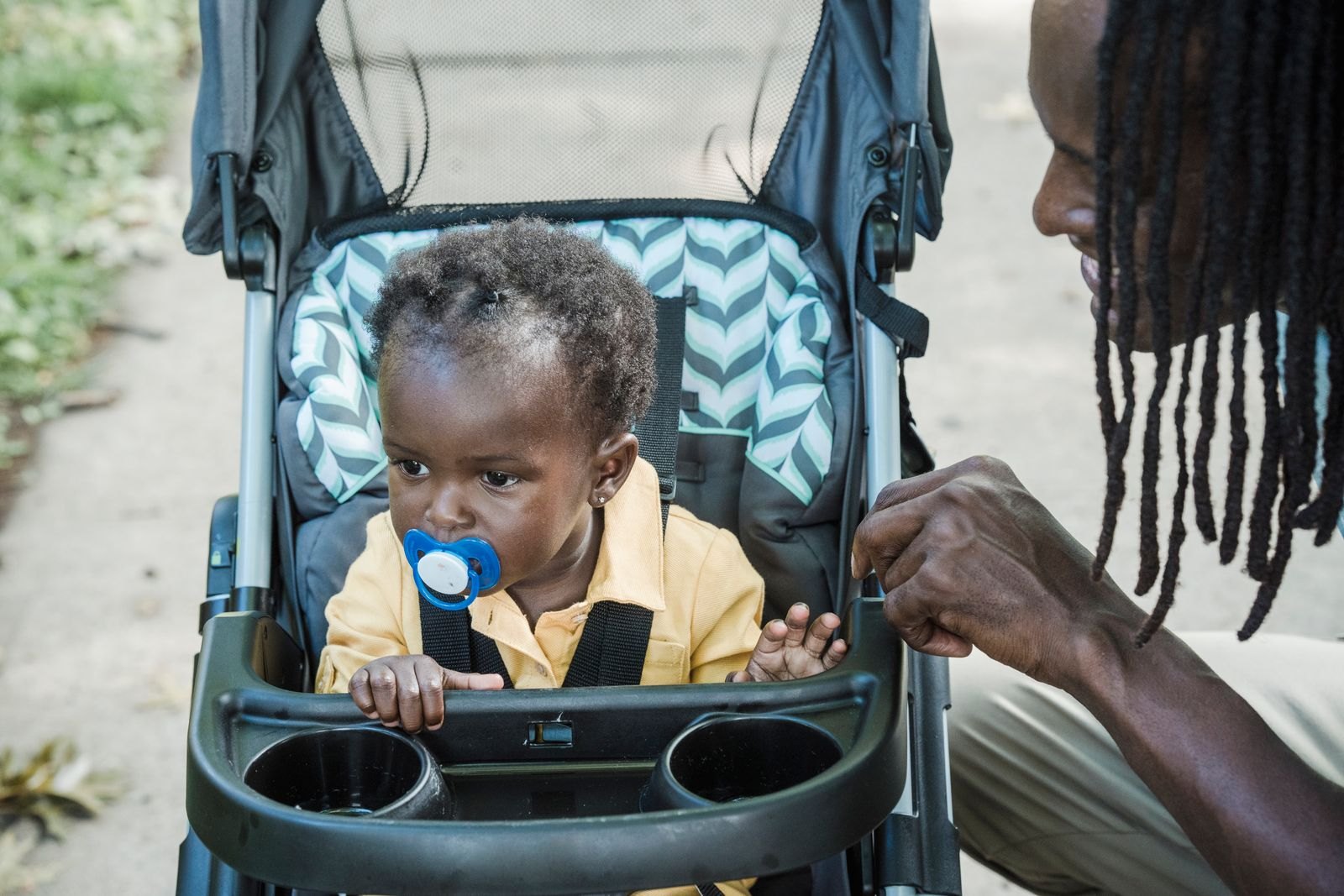
A toddler who used to nap happily in the stroller can, seemingly overnight, start arching her back, kicking off the harness, and demanding to be let out the second you leave the house. It can feel like a sudden behavior problem, but stroller refusal is one of the most common and predictable phases in toddlerhood — and it's rarely about the stroller itself.
Where the "something's wrong" assumption comes from
It's easy to read stroller refusal as a discipline issue, or to wonder if the stroller has suddenly become uncomfortable, especially if it worked fine for months. But most toddlers who fight the stroller are doing it consistently, across different outings and different moods, which points toward a developmental shift rather than a one-off complaint about the seat or the straps.
Why toddlers push back against the stroller
Most children take their first independent steps between 12 and 15 months, and by 18 months walking has usually become steady and purposeful — pediatric development guidelines treat 18 months as the point by which independent walking is expected. Right around that same window, toddlers are also entering a period focused on autonomy: wanting to choose, move, and explore under their own power rather than be moved around by someone else. A stroller ride, however smooth, puts a toddler in exactly the passive position that stage is pushing back against.
Toddlers are also simply built for movement at this age. Bodies that are newly capable of walking, climbing, and covering ground want to use that new skill, and sitting still during an outing can feel frustrating in a very literal, physical sense — not defiance, just a mismatch between what her body wants to do and what the stroller is asking of her.

What actually helps
Building a stretch of walking time into the start or end of an outing — even just from the car to the sidewalk, or one block before getting in — gives that need for movement somewhere to go before you ask for stroller time. Keeping the stroller in the mix as a backup rather than the default (offered when she's tired, not forced from the first step) tends to produce far less resistance than treating it as non-negotiable for the whole outing. A consistent, matter-of-fact expectation — "we walk here, we ride here" — set the same way every time works better than negotiating fresh each outing, since toddlers settle into predictable patterns faster than into ones that shift based on your mood or the day.
It's also worth remembering that occasional stroller use doesn't slow down independence or motor development — walking, climbing, and free play during the rest of the day give a toddler's legs far more practice than a single stroller ride subtracts, so a toddler who rides sometimes and walks sometimes isn't missing out on anything her walking muscles need. Letting her rest when she's genuinely tired, rather than pushing through on principle, tends to prevent the outing from ending in a meltdown either way.
FAQ
Is it okay to just let my toddler walk everywhere now? If your route and schedule allow it, yes — but keep the stroller available for longer distances, tired stretches, or busy areas near traffic, since toddler stamina and impulse control around roads are both still developing.
How long does this phase usually last? It varies widely by child and tends to ease as walking becomes less novel and toddlers get more practice managing their own pace on outings, but many families see it settle down within a few months of consistent, predictable handling.
More for this stage
 3 min read1 views
Baby Carrier vs. Stroller: The 'Pick One' Myth, Debunked
Think you have to choose between a baby carrier and a stroller? Each one solves a different problem at a different age — here's how to tell which helps when.
 3 min read1 views
Stroller + Car Seat Travel Systems: 3 Things Parents Get Wrong
Matching stroller-and-car-seat travel systems look simple on a registry. Here's what actually matters before buying one, and what doesn't.
 4 min read1 views