Stroller Buying Guide: 4 Things to Actually Check First
Stroller shopping usually starts with the specs sheet, but fold size, terrain, and how you actually move through your day matter more. Here's how to choose.
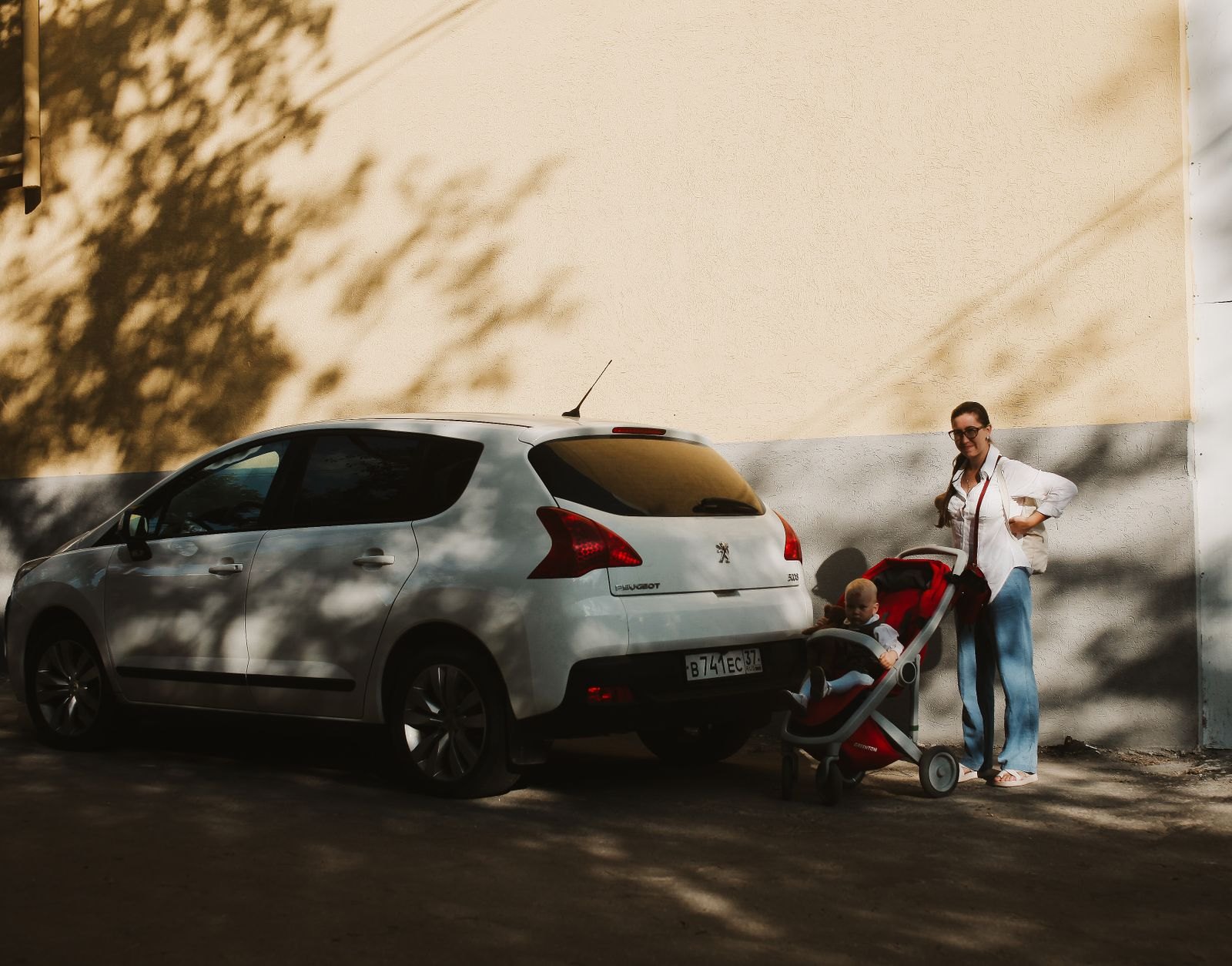
Stroller research tends to start the same way: comparing weight, price, and the list of included accessories across a dozen open browser tabs. Those specs aren't irrelevant, but they're rarely what actually determines whether a stroller works for your life six months in. The families who end up happiest with their stroller usually chose based on a few practical, unglamorous questions instead.
What parents commonly overlook
The most common mistake is buying based on where you imagine using the stroller instead of where you'll actually use it most. A rugged all-terrain stroller looks appealing, but if most of your outings are quick trips in and out of a car in a parking lot, its size and weight will be a daily annoyance. The reverse is also true — a sleek, lightweight umbrella stroller is easy to love in a store, but can struggle on gravel, grass, or uneven sidewalks if that's your actual environment.
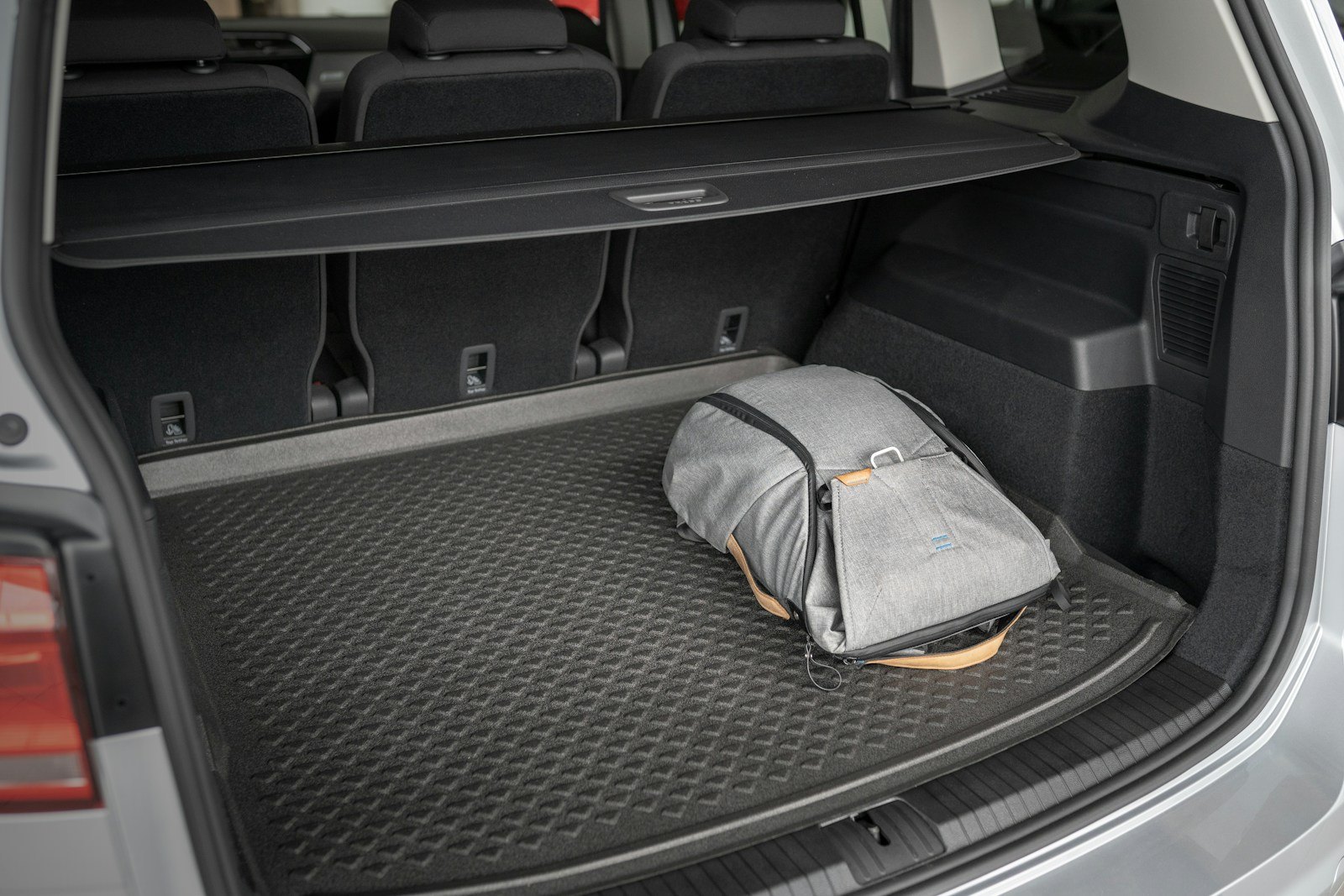
The second overlooked factor is the fold. Almost nobody test-folds a stroller with one hand, in a store, the way they'll actually need to while holding a baby and juggling a diaper bag in a parking lot. A stroller that folds compactly but requires two hands and a bit of wrestling can become a source of daily friction in a way that doesn't show up on a specs comparison.
Why these details matter more than the marketing categories
Stroller categories exist for a reason, but they're a starting point, not a final answer. Travel systems — which pair an infant car seat, a base for the car, and a stroller frame the seat clicks into — are built around frequent transfers between car and stroller without waking a sleeping baby, which matters most for parents doing a lot of quick errands with an infant. Full-size strollers tend to offer more storage, a smoother ride, and options that grow with your child (like a second seat for a sibling), which matters more once you're settling into a longer daily routine rather than optimizing for the newborn stage specifically.
Jogging strollers, with large air-filled tires and a front wheel that locks straight for stability at speed, exist specifically for running and uneven terrain — the tradeoff is that they're usually bulkier and harder to fold quickly than other types, which matters if quick folds for car trips are also part of your routine. Umbrella and lightweight travel strollers prioritize a compact fold and low weight, which matters enormously for air travel, small car trunks, or apartment living, at the cost of some of the storage and smooth-ride comfort of a full-size stroller.

What actually helps
Before comparing specific models, get honest about four things: where you'll use it most (city sidewalks, suburban streets, trails, or mostly car-to-store trips), how often you'll fold and unfold it in a single day, whether it needs to fit in a small trunk or through narrow doorways at home, and whether you'll need it to work with an infant car seat early on. Those four answers point toward a stroller category far more reliably than any single feature comparison.
Once you know your category, test the fold and unfold with one hand if at all possible — many baby stores keep floor models specifically for this. Check the width against your front door and any narrow spaces you navigate regularly, and if you'll be using public transit or tight aisles, prioritize a narrower frame over extra storage. If versatility matters most because you're not sure yet what your routine will look like, a mid-weight travel system in the convertible or modular stroller category tends to offer the most flexibility to adjust as your needs become clearer.
One safety note that's separate from the buying decision: if you're using a stroller's main fabric seat (not a bassinet attachment or an infant car seat clicked into a travel system), most stroller manufacturers require a baby to have steady, independent head and neck control before riding in it upright — typically around 6 months, though check your specific stroller's manual, since the age can vary by model. If you have questions about which seat mode is appropriate for your baby right now, your pediatrician or the stroller manufacturer's guidelines can confirm what's right for your child.
More for this stage
 3 min read1 views
Diaper Bag Packing: Is More Actually Better?
An overstuffed diaper bag feels safer, but it usually backfires. Here's why less is often more, and what's actually worth packing.
 3 min read1 views
The Stroller Refusal Phase: Why It Happens (and What to Do)
A toddler who suddenly fights the stroller isn't being difficult. Here's the real, common reason behind stroller refusal, and what actually helps outings.
 3 min read1 views