Newborn Hiccups vs. Spit-Up: How to Tell What's Normal
Newborn hiccups and spit-up get lumped together as normal baby stuff, but they come from different causes. Here's how to tell them apart.
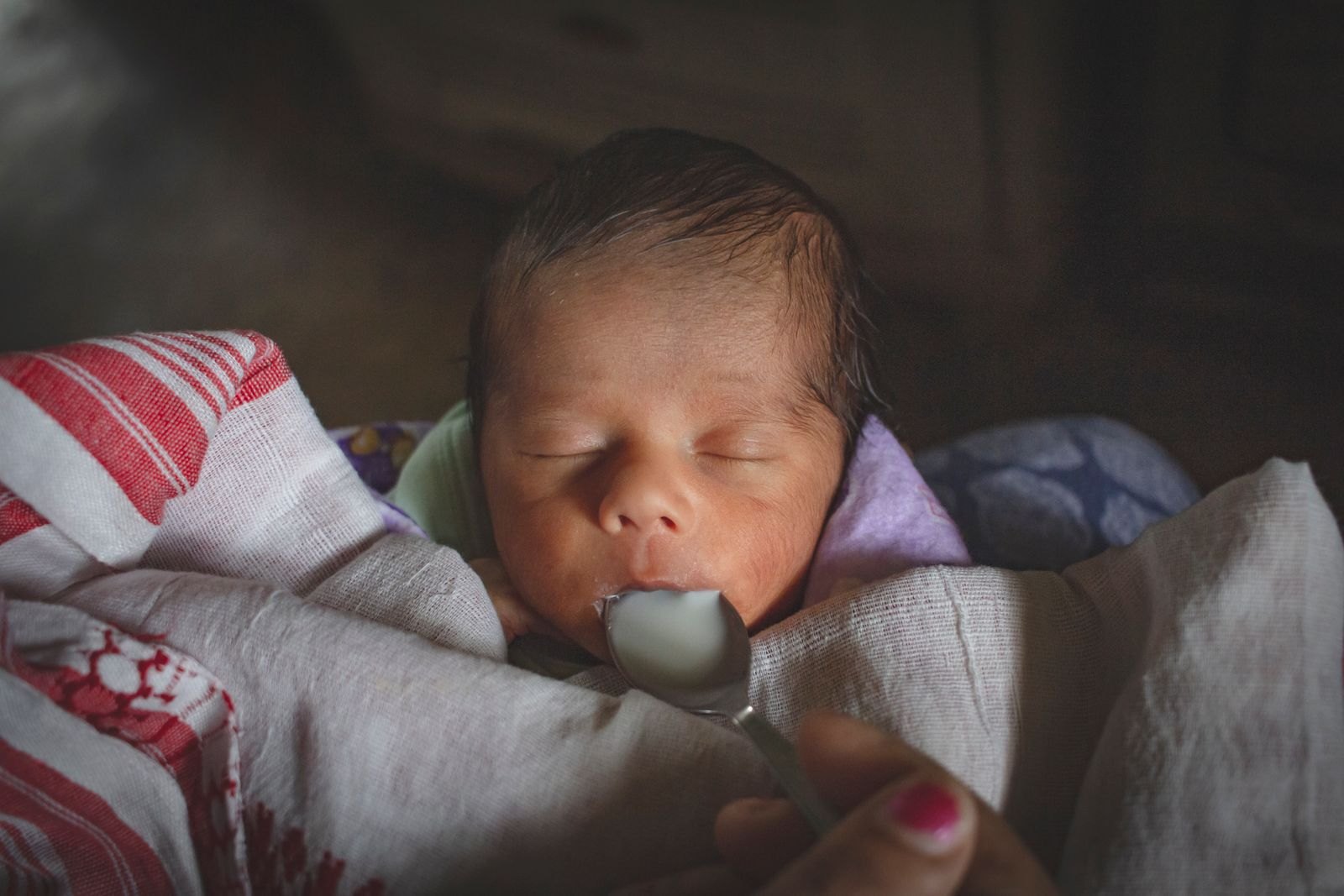
Newborns hiccup a lot, spit up often, and sometimes do both within the same feeding — which makes it easy to lump the two together as "just newborn stuff." They're actually caused by completely different things happening in your baby's body, and telling them apart matters less for peace of mind in the moment and more for knowing which one, if either, is worth mentioning to your pediatrician.
What parents commonly mix up
Hiccups and spit-up get treated as interchangeable newborn quirks, but they come from different systems entirely. Hiccups are a reflex — a sudden, repeated contraction of the diaphragm, the same muscle that controls breathing — and have nothing to do with digestion going wrong. Spit-up is milk or formula moving back up from the stomach, most often because a newborn's stomach is small and the muscle that keeps stomach contents down is still maturing. The two can show up around the same feeding, which is part of why parents assume one causes the other, but a hiccuping baby isn't at higher risk of spitting up, and a baby who spits up often isn't more prone to hiccups.
The second mix-up is treating any wet burp as a red flag. According to HealthyChildren.org, the American Academy of Pediatrics' parent resource, spitting up is common during infancy and is usually no cause for concern — babies often bring up a small amount of milk along with a burp or drool, and it almost never involves choking, coughing, or danger to the baby, even when it happens during sleep.

Why they happen
Hiccups are especially common in young babies because the diaphragm and the nerves that control it are still maturing, and swallowing air during a feeding — from a fast letdown, a bottle nipple that flows too quickly, or simply feeding a little too fast — can trigger a bout. They're uncomfortable-looking but not painful for most babies, and they typically resolve on their own within a few minutes.
Spit-up follows a more mechanical explanation: the ring of muscle between the esophagus and stomach is still developing its full strength in the first several months, so it's easier for stomach contents to travel back up, especially if a baby has taken in more than their small stomach comfortably holds, or air was swallowed along with the milk. This is different from reflux disease, which involves the same mechanism but enough of it to cause real discomfort or poor weight gain — plain spit-up, by contrast, generally doesn't bother the baby much at all.
What actually helps (and when to check in)
For hiccups, HealthyChildren.org's guidance is simple: if they start during a feeding, pause, try to get a burp, let your baby relax, and resume once the hiccups ease — most bouts stop within five to ten minutes without any intervention needed. For spit-up, burping partway through feedings, holding your baby upright for a stretch afterward, and avoiding overfeeding in one sitting are the standard, low-effort steps that tend to reduce how often it happens, though occasional spit-up is expected even with all of that in place. Keeping a burp cloth draped over your shoulder during those upright holds means a surprise spit-up turns into a quick wipe-down instead of a full outfit change for both of you.
What's worth a call to your pediatrician is different from either of these normal patterns: spit-up that turns into forceful or projectile vomiting, a baby who isn't gaining weight well or is producing noticeably fewer wet diapers, or any sign of real discomfort or blood in spit-up. Those point toward something beyond ordinary newborn digestion catching up, and your pediatrician can tell the difference in a way a general guide can't.
FAQ
Can I do anything to prevent hiccups? Feeding at a calmer pace and burping midway through a feeding can reduce how often hiccups start, though occasional hiccups are considered normal at this age regardless of what you do.
Is ordinary spit-up a reason to change how my baby sleeps? Ordinary spit-up on its own isn't something feeding guidance treats as a reason to change your baby's sleep setup — always follow your pediatrician's safe sleep guidance for your baby specifically.
More for this stage
 4 min read1 views
Newborn Congestion: Is It Actually a Cold?
Newborn snuffling and stuffy breathing gets mistaken for a cold constantly. Here's why it's usually normal, and when to actually call your pediatrician.
 3 min read1 views
The Newborn Spoiling Myth, Debunked
Worried you'll spoil your newborn by holding them too much? Developmental research says responding to a young baby builds security, not bad habits.
 3 min read1 views