The Newborn Spoiling Myth, Debunked
Worried you'll spoil your newborn by holding them too much? Developmental research says responding to a young baby builds security, not bad habits.

Somewhere in the first weeks home, a well-meaning relative usually says some version of "you'll spoil that baby, picking them up every time they cry." It's one of the most common pieces of unsolicited advice new parents get — and it's also not supported by what developmental research actually shows about newborns.
Where the spoiling myth comes from
The idea traces back to mid-20th-century parenting advice that treated infant care like behavior training: respond too readily to crying, the thinking went, and a baby learns crying gets attention, then uses that as leverage. It's a reasonable-sounding theory if you assume a newborn is capable of that kind of intentional strategy — the problem is they aren't. Newborns don't yet have the cognitive machinery for deliberate manipulation; crying at this age is a survival signal, not a tactic.
The theory also assumes a young baby can regulate their own distress if left to it, which isn't how newborn physiology works either. A newborn's ability to calm their breathing, heart rate, and body temperature depends heavily on a caregiver stepping in — a process developmental researchers call co-regulation — because the systems that let an older child or adult self-soothe simply haven't matured yet.
What the research actually shows
ZERO TO THREE, a research and policy organization focused on infant development, describes the idea that holding a baby too much spoils them as an outdated notion that current evidence doesn't support. Their research on responsive caregiving — consistently and promptly meeting a baby's needs — points the other way: being attuned to a young baby's cues and responding to them is one of the core building blocks of a secure attachment, the kind of early bond linked to a child exploring the world with more confidence later on, not less.
None of this requires perfect, instant responses every single time — ZERO TO THREE frames responsive caregiving as a general pattern of consistent attunement, not a standard of flawless execution, and notes that what responsiveness looks like in practice varies across families and cultures. The common thread isn't the exact method; it's a baby generally getting the message that their cues bring a response.

What this means day to day
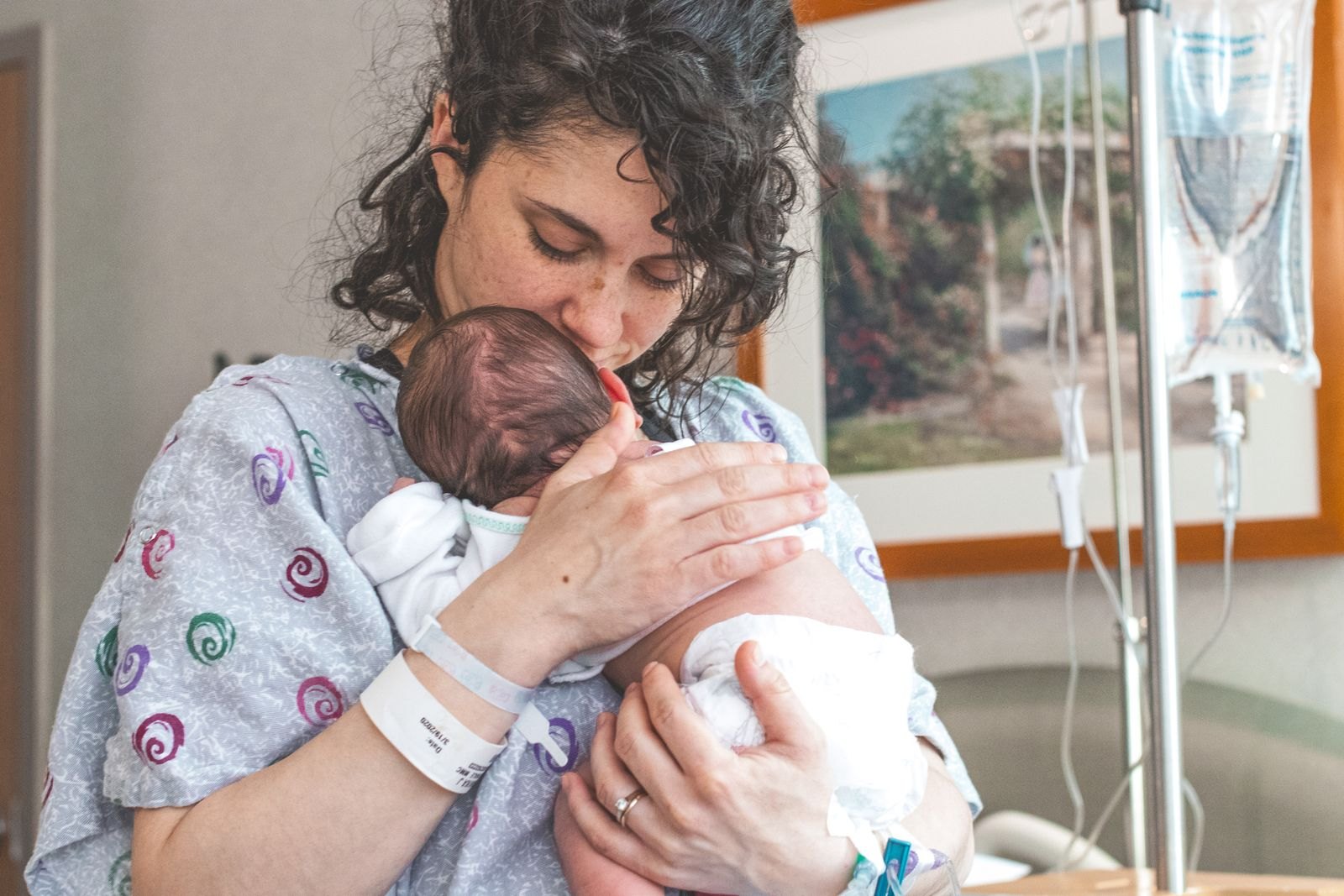
In the newborn stage, responding to crying — picking your baby up, feeding them, holding them close — isn't building a habit you'll regret later; it's giving their nervous system the outside help it isn't yet able to provide itself. Babywearing or simply holding your baby through parts of your day is a practical way to build in that closeness without it needing to be a separate, deliberate activity every time.
This doesn't mean the same logic applies forever in exactly the same form. As babies grow into toddlers and gain more capacity to wait, self-soothe, and understand routines, responsive parenting starts to look different — but in the newborn months specifically, prompt responses to distress are protective, not something to ration out of fear of spoiling.
FAQ
Does this mean I have to hold my newborn constantly? No — responsive caregiving is about generally responding to your baby's cues, not being in physical contact every waking minute. Set your baby down for naps, tummy time, or a moment to yourself; responding when they need you is what matters, not nonstop holding.
When does this advice change as my baby grows? The core idea — that a young child benefits from feeling like their needs get a response — doesn't disappear, but how it looks shifts as babies develop more capacity to wait and self-regulate through infancy and toddlerhood.
More for this stage
 3 min read1 views
Newborn Startle Reflex (Moro Reflex): Why It Happens
A newborn's sudden flailing arms and startled cry can look scary, but the Moro reflex is one of the most normal, well-documented reflexes there is.
 3 min read1 views
Newborn Weight Loss After Birth: What's Actually Normal
Most newborns lose weight in the first days of life. Here's the range pediatricians consider normal, and when a bigger drop is worth a call.
 4 min read1 views