Newborn Weight Loss After Birth: What's Actually Normal
Most newborns lose weight in the first days of life. Here's the range pediatricians consider normal, and when a bigger drop is worth a call.
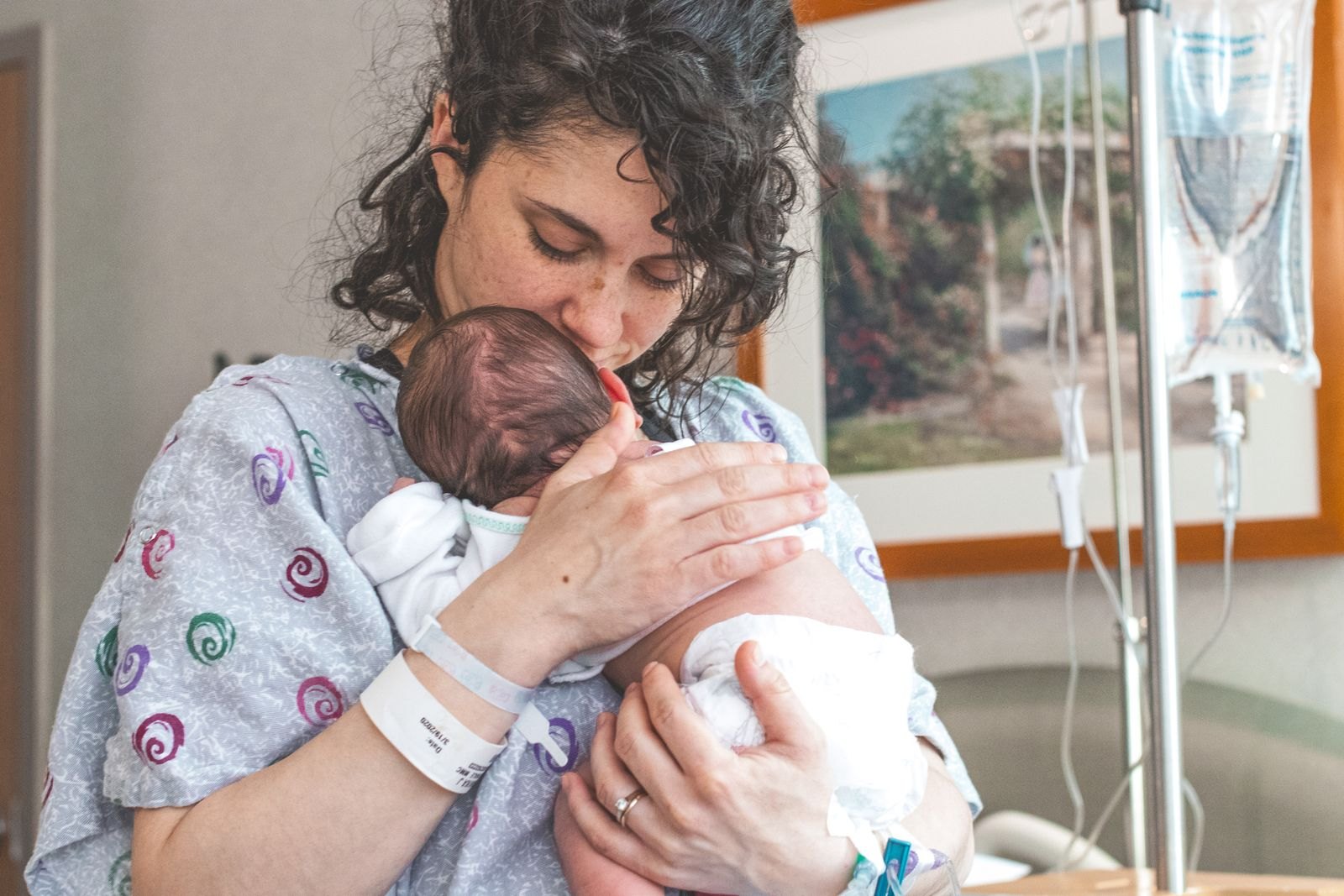
The first weigh-in after coming home from the hospital can be unsettling — the number on the scale is lower than the one on the birth certificate, sometimes by a half pound or more, and it's easy to read that drop as something going wrong. For the vast majority of newborns, it isn't.
What Parents Commonly Misunderstand
Almost every newborn loses weight in the first several days of life, and pediatricians expect it rather than treat it as a problem to fix. The drop shows up because a newborn is born carrying extra fluid, and because feeding hasn't fully ramped up yet — colostrum comes in small amounts before a mother's milk supply increases around day three to five, so intake is naturally lower in those early days regardless of how well feeding is going.
Breastfed babies typically lose a bit more than formula-fed babies, which surprises a lot of new parents who assume more weight loss means something is wrong with feeding. It usually just reflects how milk supply comes in over the first several days rather than arriving at full volume from day one.
Why This Happens (and What Counts as Normal)
Guidance from the American Academy of Pediatrics and the Academy of Breastfeeding Medicine treats weight loss of up to about 7% of birth weight as common and expected in exclusively breastfed newborns, with formula-fed babies often landing somewhat lower, closer to 5%. Loss in that range, on its own, isn't a red flag — it's built into how feeding and fluid balance work in the first days of life.

Where pediatricians start paying closer attention is weight loss approaching or crossing 10% of birth weight. That threshold doesn't mean something is definitely wrong, but it's usually the point where a closer look at feeding — how often the baby is nursing or taking a bottle, how effective each feed actually is — becomes worthwhile rather than optional.
What Actually Helps
Most of what protects against excessive weight loss is straightforward: feeding on a newborn's cues, roughly eight to twelve times in twenty-four hours, and not letting long stretches go by without a feed in the first couple of weeks. Watching for six or more wet diapers a day once feeding is established, along with regular stools, gives a rough day-to-day sense that intake is adequate between official weigh-ins.
Most newborns regain their birth weight by ten to fourteen days old, which is one of the reasons pediatricians schedule a weight check around day three to five and again around two weeks — not because something is assumed to be wrong, but because that's the window where the early dip should be turning back around.
- Track wet and dirty diapers for the first couple of weeks — it's a more immediate signal than weight, which you likely aren't measuring daily at home.
- Watch for excessive sleepiness that makes feeding hard to complete, rather than sleepiness alone, which is normal in newborns.
- Don't compare your baby's numbers to another baby's — birth weight, delivery method, and feeding method all shift what's typical.
FAQ
Is losing more than 10% always a sign of a problem? Not automatically, but it's the point where pediatricians typically want a closer look at feeding rather than waiting for the next scheduled visit.
How long until a newborn is back to birth weight? Most babies get there by ten to fourteen days old; a somewhat longer timeline isn't automatically concerning on its own.
If your baby's weight loss crosses that 10% mark, or you're noticing fewer wet diapers, unusual sleepiness that interferes with feeding, or yellowing skin, call your pediatrician to confirm feeding is on track and rule out anything else going on — that call is about getting a clear answer, not a sign you've done anything wrong.
More for this stage
 4 min read1 views
Cluster Feeding vs. Low Milk Supply: How to Tell Them Apart
Nonstop evening nursing can feel like a sign of low milk supply, but cluster feeding is usually something else. Here's how to tell.
 4 min read1 views
Newborn Baby Acne and Rashes: Should You Worry?
Neonatal acne and rashes are common in the first weeks of life. Here's how to tell normal newborn skin from patterns worth a call to your pediatrician.
 5 min read1 views