Newborn Baby Acne and Rashes: Should You Worry?
Neonatal acne and rashes are common in the first weeks of life. Here's how to tell normal newborn skin from patterns worth a call to your pediatrician.
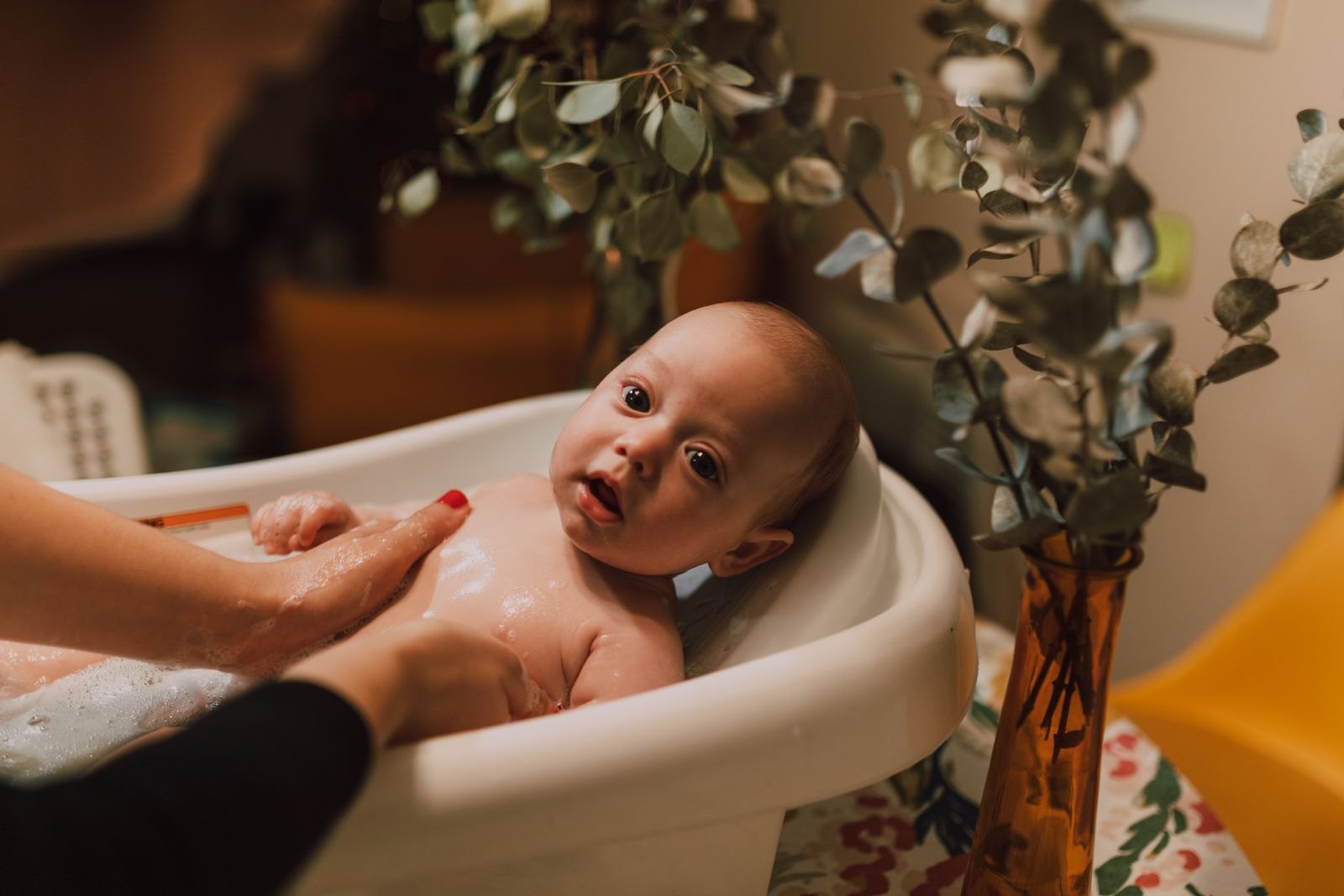
Pediatric dermatology research puts neonatal acne at somewhere around one in five newborns, which makes those small red or white bumps on a two-week-old's cheeks one of the most common — and most commonly worried-about — newborn skin changes. Most of what shows up on newborn skin in the first weeks is completely ordinary, but it isn't always obvious which bumps are harmless and which ones are worth a call to the pediatrician.
What Counts as Normal Newborn Skin
Baby acne (neonatal acne) usually appears between two and four weeks of age as small red or white bumps clustered on the cheeks, nose, and forehead. It's linked to maternal hormones that crossed the placenta before birth and are still working their way out of a newborn's system — not to anything a parent did or didn't do, and not a sign of future skin problems.
Milia are a separate, even more common pattern: tiny white pinpoint bumps, usually across the nose and chin, caused by trapped skin flakes rather than hormones. They typically clear within the first few weeks without any treatment at all.
Erythema toxicum — a blotchy red rash with small raised centers that can appear and disappear within hours — is common enough in the first few days of life that many hospital nurseries consider it an expected finding rather than a concern. Peeling, flaking skin is also normal in the first couple of weeks, especially for babies born past their due date, and reflects the transition from constant fluid exposure in the womb to open air.
What's Actually Worth a Closer Look
None of the patterns above should come with a fever, and that's one of the clearest lines to watch for. A rash paired with a fever in a baby under three months old is always worth contacting your pediatrician about, regardless of how the rash itself looks. The same goes for a rash that blisters, oozes, develops a yellow crust, or is surrounded by spreading warmth and redness — those can point to a skin infection rather than ordinary newborn acne or milia.
A baby who seems unwell alongside a skin change — feeding poorly, unusually sleepy, or harder to wake than usual — is a different situation from a baby with a rash who's otherwise feeding, sleeping, and behaving normally. This guide can describe general patterns, but it can't examine your baby, so if anything about a rash looks unfamiliar, confirm with your pediatrician rather than waiting to see if it resolves on its own.
What Actually Helps With Normal Newborn Skin
Plain water and a soft cloth are enough for baby acne and milia — newborn skin doesn't need cleansers, exfoliants, or adult acne treatments, all of which are too harsh for a newborn's skin barrier and can make ordinary baby acne look worse rather than better. Picking or squeezing bumps raises the risk of irritation or infection without speeding up how quickly they resolve on their own.
- Pat skin dry gently instead of rubbing, especially around peeling areas.
- Skip lotions and oils on active baby acne unless your pediatrician has specifically recommended one for your baby.
- If skin looks generally dry rather than bumpy, a fragrance-free moisturizer made for newborns is a reasonable category to reach for — ask your pediatrician before adding anything new to a very young baby's skin routine.
FAQ
Will baby acne leave scars? No — unlike teenage acne, neonatal acne doesn't involve deep pores or cysts, and it clears on its own without scarring, usually within a few weeks to a few months.
Can I use my own skincare products on my newborn's bumps? It's best not to. Adult and even many "gentle" products aren't formulated for newborn skin — check with your pediatrician before using anything beyond plain water on a baby under a few months old.
If your newborn's cheeks are suddenly dotted with bumps, take a breath before you take a photo for the pediatrician's portal — this is one of the most common, least concerning newborn skin changes there is. The short list above covers when it's worth an actual conversation with your pediatrician, and for everything else, time and a soft washcloth are usually all that's needed.
More for this stage
 5 min read1 views
Newborn Hair Loss: 3 Things Parents Get Wrong
Clumps of newborn hair falling out can look alarming, but it's usually a normal hormone-driven cycle. Here's why it happens and when hair typically grows back.
 3 min read1 views
Newborn Day-Night Confusion vs. a Real Sleep Problem
Wide awake at 2 a.m. and asleep all afternoon isn't a sign something's wrong with your newborn. Here's why it happens and when it actually resolves.
 4 min read1 views