Why Newborns Cry So Much Around 6 Weeks (and What Actually Helps)
Crying that peaks around 6-8 weeks and resists soothing isn't a sign something is wrong. Here's what pediatric researchers know about this normal newborn stage.
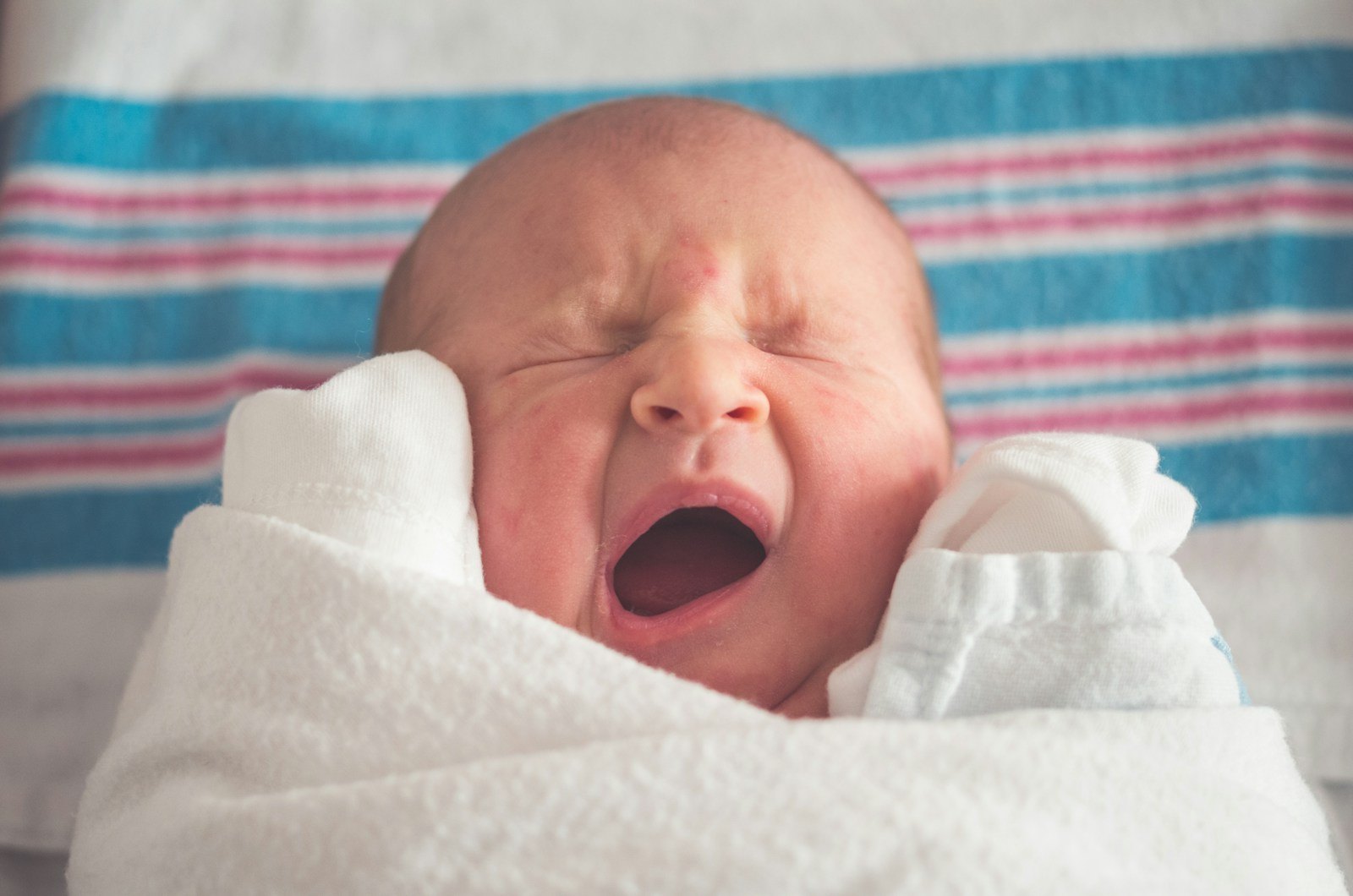
Somewhere around the six-week mark, a lot of newborns who were relatively easy to settle suddenly seem to cry more, resist every soothing trick that used to work, and do most of it in the early evening — right when parents are the most tired. It can feel like a step backward, or like a sign that something is wrong. For most babies, it's neither. It's a well-documented, temporary stage that pediatric researchers have a name for, and understanding it tends to help more than any specific soothing technique.
What parents commonly misunderstand
The most common misread is assuming increased crying means increased pain, hunger, or illness, and cycling through feedings, diaper changes, and temperature checks looking for a fixable cause. Sometimes there is one — but a lot of newborn crying in this window doesn't have an identifiable trigger at all, which is part of what makes it so disorienting for parents used to solving a problem once they find it.
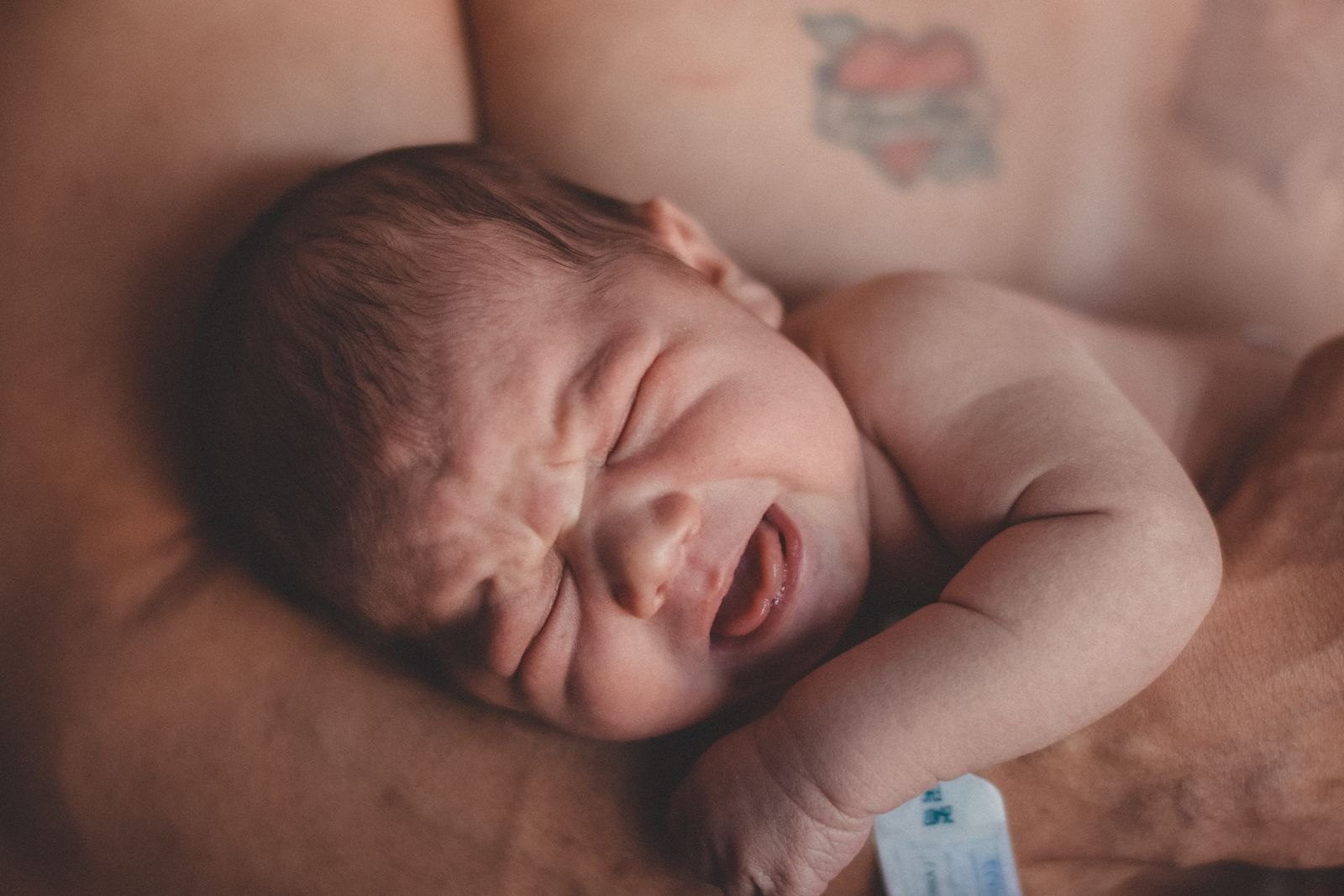
The second misunderstanding is thinking this means something is wrong with the baby, or with the parents' soothing skills. Researchers who study infant crying have described this stretch using the acronym PURPLE — Peak pattern, Unexpected timing, Resistant to soothing, Pain-like face even without pain, Long-lasting bouts, and an Evening concentration. Every one of those traits describes something that happens to typically developing babies, not a symptom of a problem.
Why this happens
Crying duration in infants doesn't rise and fall randomly across the first few months — on average, it increases gradually from around two weeks old, peaks somewhere between six and eight weeks, and then gradually decreases, usually easing noticeably by three to four months. Within that window, crying bouts can last much longer than parents expect — sometimes several hours total across a day, even in babies who aren't colicky by any diagnostic definition — and often cluster in the late afternoon and evening specifically, a pattern seen across cultures and caregiving styles, which is part of why researchers see it as developmental rather than caused by any particular parenting approach or environment.
Nobody has a complete explanation for why crying concentrates in this window, but the developmental framing matters for a practical reason: understanding that resistant, seemingly causeless crying is expected — not a sign that soothing attempts are failing or that something is medically wrong — is specifically associated with lower parental frustration and has been used in hospital programs aimed at preventing shaken baby syndrome, since exhausted, confused caregivers are at higher risk of dangerous reactions to inconsolable crying.
What actually helps
Because this stage often resists specific soothing tricks, the most consistently useful shift is less about finding the one technique that works and more about lowering the pressure to fix it every time. Standard newborn comfort measures — swaddling, white noise, gentle motion like rocking or a stroller walk, and offering a feed — are still worth trying in rotation, but it helps to know in advance that none of them may fully stop the crying, and that this doesn't mean you're doing something wrong.
Building in relief for the caregiver matters just as much as anything aimed at the baby: if you feel your frustration rising and the crying isn't stopping, it is safe and appropriate to put the baby down in their crib and step into another room for a few minutes to reset, then come back. This is a core message of infant crying education programs, precisely because an overwhelmed caregiver in the moment is a real safety consideration — never shake a baby, even briefly, no matter how long the crying has gone on. Splitting evening duty with a partner or support person, even for short stretches, can also make this stage more manageable simply by giving each caregiver a predictable break.
Most crying in this window is developmentally normal and resolves on its own by three to four months. That said, contact your pediatrician if crying is accompanied by fever, poor feeding, vomiting, unusual lethargy, or if your gut sense says something is different from your baby's usual pattern — a general guide like this one can't rule out a medical cause specific to your baby, and your pediatrician can.
FAQ
How is this different from colic? Colic is typically defined using a stricter rule of thumb (crying more than three hours a day, more than three days a week, for more than three weeks) and some researchers see it as the far end of the same normal crying curve rather than a separate medical condition — either way, ask your pediatrician if you're concerned about how much your baby is crying.
When should I call the doctor about crying? Confirm with your pediatrician if crying is paired with other symptoms like fever, feeding changes, or unusual sleepiness, or if it continues well past four months without easing.
More for this stage
 4 min read1 views
Newborn Hiccups vs. Spit-Up: How to Tell What's Normal
Newborn hiccups and spit-up get lumped together as normal baby stuff, but they come from different causes. Here's how to tell them apart.
 4 min read1 views
Newborn Congestion: Is It Actually a Cold?
Newborn snuffling and stuffy breathing gets mistaken for a cold constantly. Here's why it's usually normal, and when to actually call your pediatrician.
 3 min read1 views