The 'No Screens Before Age 2' Myth, Debunked
Feel guilty about a video call or a shared episode of a show before your toddler turns two? The actual AAP guidance is narrower than the popular rule.

"No screens until age two" has become one of the most repeated rules in parenting circles — enough that a lot of parents feel a flash of guilt over a video call with grandparents or a shared episode of a show before that birthday. The rule itself is an oversimplification of what the American Academy of Pediatrics actually recommends, and the real guidance is narrower, and more workable, than the popular version.
Where the 'age 2' version comes from
Older screen-time guidance from various health organizations did draw a hard line around age two, and that framing stuck in popular parenting culture even as the AAP's own guidance became more specific. What actually carried forward into current AAP guidance is a line at 18 months, not two years — and even that line has a built-in exception, not a blanket ban.
What the guidelines actually say
Per HealthyChildren.org, the AAP's parent-facing site, the recommendation is to avoid screen media other than video chatting for children younger than 18 months. Video chatting is treated differently because it's reciprocal — a toddler waving at a grandparent who waves and talks back in real time is a form of live social interaction, not passive watching, and the AAP's exception for it applies at any age, not just after 18 months.
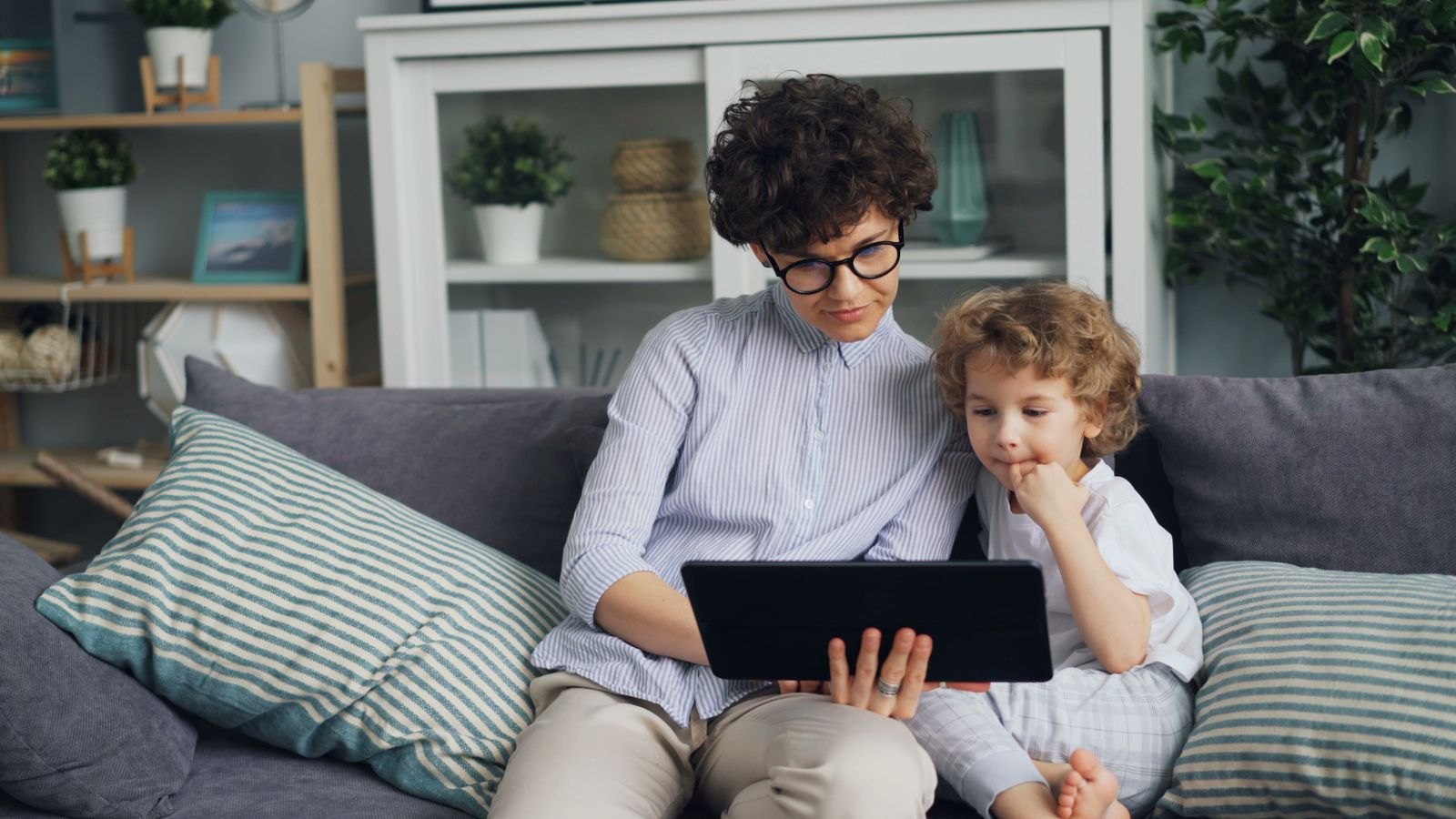
From 18 to 24 months, the guidance shifts again rather than lifting entirely: if you do introduce other media at this age, the recommendation is to choose high-quality programming and watch it together with your toddler rather than handing over a device for solo, unsupervised use. The distinction the AAP is drawing isn't really about a birthday — it's about whether the screen use is interactive and shared versus passive and solo.
What this means for your family
A video call with family isn't screen time in the sense the "no screens" rule is warning about — there's no reason to feel guilty about it at any age. If you do introduce other media before your toddler turns two, the actual guidance points to picking calmer, higher-quality programming over fast-cut or chaotic content, and sitting with your toddler to watch and talk about it rather than leaving them alone with the device.
This isn't a green light for unlimited co-viewing, either — the amount of screen time still matters, and solo, unsupervised use is the piece the guidance is actually trying to prevent at this age, not screens in every form. If your toddler already had some earlier, unsupervised screen time before you read this, that's not something to spiral over; the guidance is about the pattern going forward, not a single past exposure.
FAQ
Does video chatting with family count as screen time I should limit? The AAP treats it separately from other screen media at any age, since the back-and-forth interaction is closer to a phone call than to watching a show.
What if my toddler already watches some TV before 18 months — did I do damage? Occasional exposure isn't the concern the guidance is built around; it's aimed at the overall pattern of solo, unsupervised screen use, so shifting that pattern going forward is what matters, not any single past instance.
More for this stage
 3 min read1 views
Toddler Dressing Battles: The 'Just Being Difficult' Myth
Your toddler used to get dressed without a fight — now every sock and sleeve turns into a standoff. Here's the real reason, and what actually helps.
 3 min read1 views
Why Toddlers Say 'No' to Everything: The Autonomy Phase Explained
A toddler's constant 'no' usually isn't defiance. Here's the developmental reason behind it, and what actually helps day to day.
 3 min read1 views