Potty Training Age vs. Readiness Signs: What Actually Works
There is no single magic age for potty training. Pediatric guidance points to specific signs instead, and here is what actually predicts success.
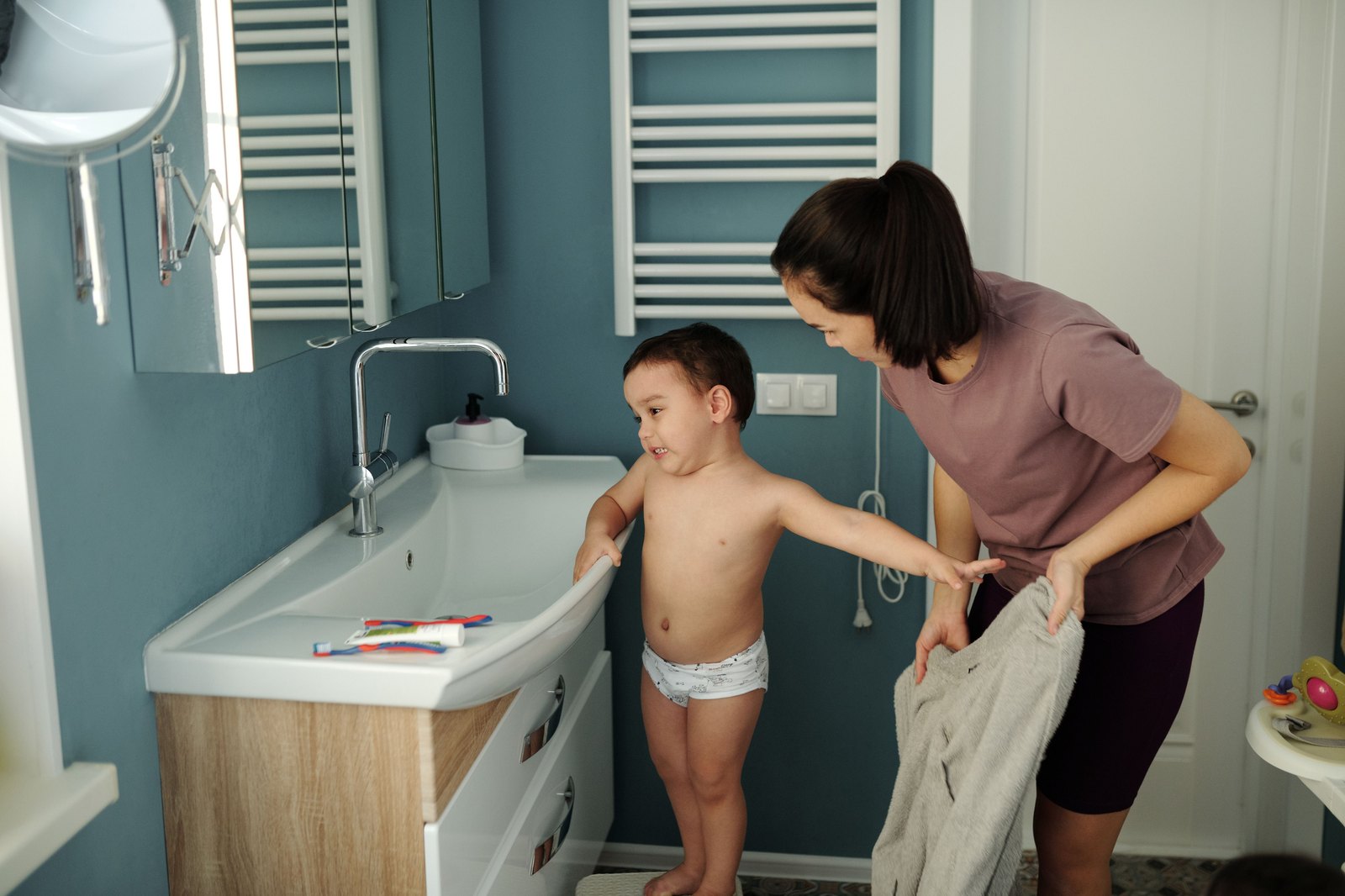
The single biggest predictor of potty training success has nothing to do with your child's age in months. According to the American Academy of Pediatrics, it comes down to a specific cluster of developmental readiness signs — and starting before those signs show up is usually what makes the whole process longer and harder, not shorter.
What Most Parents Get Backward
It's easy to treat potty training like a deadline: 18 months because a cousin's kid did it then, "definitely by 2," or a daycare's diaper-free cutoff for the next room up. But the AAP states plainly that toilet training can begin whenever parents and children want to start — and that the average age it actually begins in the United States is between 2 and 3 years, with most children fully trained by 4. That's a two-year window of completely normal timing, not a narrow target you can miss.
The mistake isn't wanting an early start. It's assuming the calendar is the thing to watch instead of the child in front of you.
Why Readiness Signs Matter More Than the Calendar
Bladder and bowel control is a physical maturation process, not a skill you can drill into a toddler ahead of schedule. Most children show the physical groundwork for control somewhere between 18 and 24 months, but the AAP's actual readiness checklist goes well beyond bladder timing: staying dry for at least two hours, showing physical signs of needing to go (grunting, freezing, squatting), following simple instructions, disliking a wet diaper, and asking to use the toilet or wear "big-kid" underwear. A child can hit the age range and still be missing several of these — and pushing ahead anyway tends to backfire.
The AAP is direct about what happens when parents push before a child is ready: "power struggles, begging, pleading, rewarding, and punishing keep children from managing their own toileting." In other words, pressure doesn't speed up a body that isn't ready yet — it just adds stress on top of a process the child can't fully control regardless.
The Readiness Checklist That Actually Predicts Success
Instead of asking "how old is old enough," pediatric guidance points parents toward three categories of signs, and it's genuinely useful to see them written out rather than guessed at:
- Physical: walks and sits well independently, stays dry for two or more hours at a stretch or wakes up dry from naps.
- Communication: has words, signs, or clear gestures for pee, poop, and the potty, and can tell you before or during — not just after.
- Behavioral: shows interest in the bathroom or in a sibling/parent using it, wants to do things "myself," and can follow a short two-step routine like pants down, sit.
The AAP also flags a practical timing detail parents rarely hear: it's worth delaying the start during a major disruption — a move, a new sibling, a family crisis — since those are exactly the moments a toddler's cooperation and body awareness are least available.
FAQ
My child is almost 3 and shows no interest at all — should I worry? Not automatically. The normal range runs to 4 for full training, and plenty of children show readiness signs later than the average. If there's truly zero movement on any of the signs above by around 3.5, it's a reasonable thing to raise at the next pediatric visit — not because something is necessarily wrong, but because a doctor can check for anything physical getting in the way.
We started and now my child is holding it in instead — what does that mean? Withholding is one of the clearest signals that training started before the body or the child was ready. Backing off for a few weeks, without framing it as a failure, is the standard recommendation — and if holding leads to straining, discomfort, or constipation, that's worth mentioning to your pediatrician rather than working through it alone.
None of this means you did something wrong if you started based on age and it didn't go smoothly — that's genuinely the most common starting point, and it's an easy one to correct once the readiness signs are the actual guide. If you're ever unsure whether your child's pace is within the normal range, your pediatrician can tell you in about thirty seconds — that's exactly what the checkup is for.
More for this stage
 3 min read1 views
Toddler Food Jags or Picky Eating? How to Tell the Difference
A toddler who only eats plain pasta for a week isn't necessarily a picky eater. Here's what food jags and food neophobia actually mean, and what to do.
 5 min read1 views
Toddler Tantrums: Why They Happen (and What Actually Helps)
Toddler tantrums peak between ages one and three for specific developmental reasons, not bad parenting. Here's what's happening and what actually helps.
 4 min read1 views