Toddler Food Jags or Picky Eating? How to Tell the Difference
A toddler who only eats plain pasta for a week isn't necessarily a picky eater. Here's what food jags and food neophobia actually mean, and what to do.
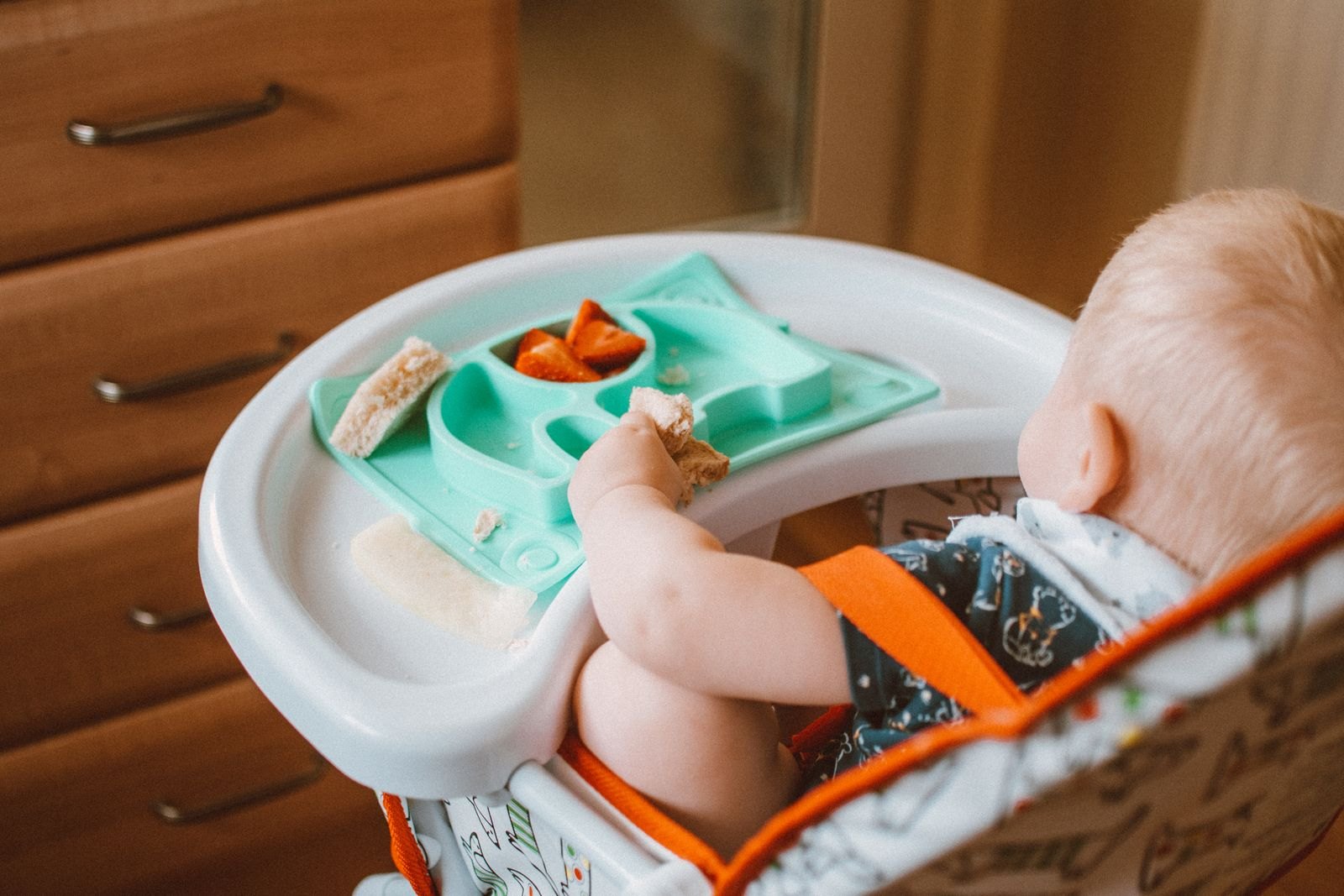
Your toddler loved broccoli last month. This month, they won't touch it, and dinner has been the same three foods on rotation for two weeks straight. It's easy to read this as a step backward, or a sign of a pickier phase settling in for good. Often, it's neither — it's one of two well-studied, developmentally typical eating patterns that show up in almost every toddler, and understanding which one you're seeing changes what actually helps.
What parents commonly misunderstand
Parents tend to lump every eating refusal into one broad "picky eater" label, but researchers who study toddler eating separate out a few distinct patterns. A food jag is when a toddler wants to eat the exact same food, prepared the exact same way, repeatedly — sometimes for every meal, for days or weeks. Food neophobia is a related but different pattern: a reluctance or outright refusal to try new or unfamiliar foods, particularly common between roughly two and six years old. Both get called "picky eating" colloquially, but they're not the same as a toddler who's genuinely eating an inadequate variety over the long term, which is a narrower and less common pattern.
The other common misunderstanding is treating any of this as unusual. Estimates vary depending on how strictly "picky" is defined, but research consistently finds it's common enough to be considered a typical part of toddler development rather than an exception — some surveys find that around half of parents describe their toddler as a picky eater at some point.

Why this happens
Food neophobia has a plausible evolutionary explanation: as toddlers become mobile and start exploring independently, a built-in wariness toward unfamiliar foods may have helped protect young children from eating something toxic before adults could supervise every bite. It shows up right around the age when toddlers gain more independence and mobility, which lines up with that protective theory even though it can feel maddening at the dinner table.
Food jags are often described by researchers and feeding specialists as being about predictability and control during a developmental stage full of rapid change — toddlers are gaining language, mobility, and independence all at once, and a familiar, repeated food can be one of the few things that feels fully within their control. Neither pattern reflects a nutritional problem on its own, and neither one means a child's palate is permanently narrowing — most children move through both phases and broaden their eating again over time.

What actually helps
For food jags, the most consistently recommended approach is to keep offering a variety of foods at the table alongside the toddler's current favorite, without pressure to eat the new items — let the familiar food be the safe fallback while the new foods stay present and low-stakes. Removing the preferred food entirely tends to create more mealtime conflict, not less.
For food neophobia, repeated, pressure-free exposure is the most evidence-backed approach: research on picky eating consistently points to offering a new food multiple times, in a relaxed setting, without insisting a child eat it, as more effective than either forcing a bite or giving up after one or two refusals. It can take many separate exposures — sometimes framed as eight to fifteen tries in feeding research — before a toddler accepts a new food, so one refused bite of green beans isn't useful data about whether they'll ever like green beans.
Beyond that, letting toddlers participate in low-stakes food prep (like tearing lettuce or stirring batter) and eating the same foods together as a family rather than preparing separate "kid meals" both show up repeatedly in feeding research as ways to reduce mealtime pressure over time. If you're worried your toddler's diet is genuinely too narrow to meet their nutritional needs, or picky eating is affecting their growth, that's a good reason to check in with your pediatrician rather than trying to sort it out from a general guide — they can track growth over time in a way a single snapshot of what your toddler ate this week can't.
More for this stage
 5 min read1 views
Toddler Tantrums: Why They Happen (and What Actually Helps)
Toddler tantrums peak between ages one and three for specific developmental reasons, not bad parenting. Here's what's happening and what actually helps.
 4 min read1 views
Toddler Biting: 3 Things Parents Get Wrong
Toddler biting feels alarming, but it's rarely a sign of a behavior problem. Here's what most parents misunderstand about it, and what actually helps.
 3 min read1 views