Baby Not Responding to Their Name: Should You Worry?
Not every baby turns to their name at the same age. Here's the actual normal range for name recognition, and what's worth watching for.
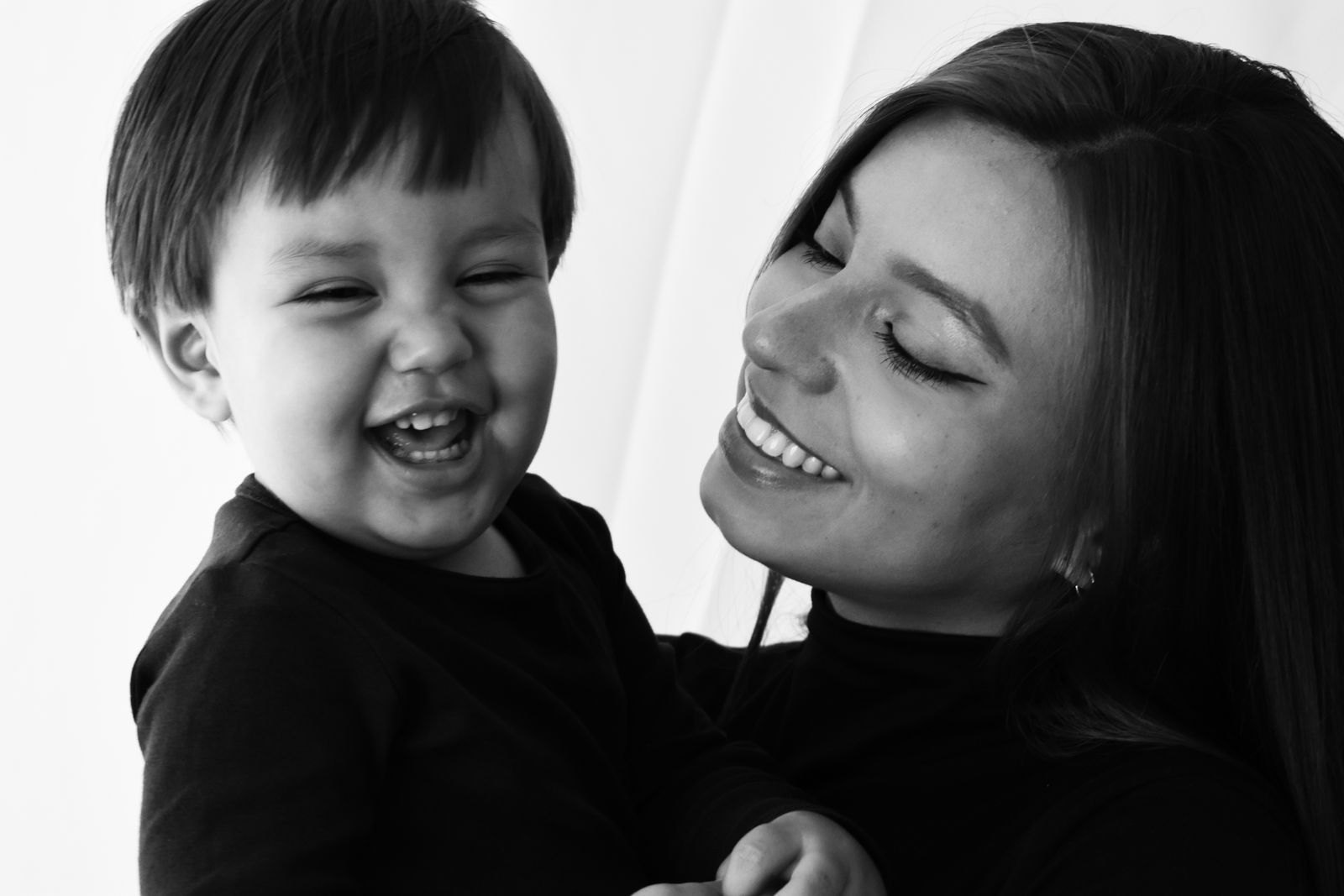
A living room floor scattered with toys, a parent calling a name for the third time without so much as a glance up, and a group chat full of other parents casually mentioning their five-month-old already turns around every time — that's usually the moment name recognition turns from a cute milestone into a quiet source of worry.
What Parents Commonly Misunderstand
The most common misunderstanding is treating 'responding to name' as a single hard cutoff instead of a skill that emerges gradually over months. Turning toward a familiar voice is different from reliably recognizing and responding to the name itself — the first often shows up earlier, while consistent, repeatable response usually develops later and depends heavily on context: a quiet room versus a noisy one, a favorite person's voice versus a stranger's, and how often the name gets used throughout the day.
General developmental milestone checklists, including the CDC's, list responding to name as an expected skill sometime around 6 months, but that's a population-level average, not a deadline for any individual baby. Some babies respond consistently earlier; plenty of typically developing babies aren't reliably turning to their name until closer to 8 or 9 months, especially if they're deeply absorbed in whatever they're doing.
Why This Matters
Because name response gets flagged on so many milestone checklists, it's one of the first things that pulls a parent into researcher mode late at night — but a single missed moment, or even a string of them, isn't the same as a consistent pattern. What matters developmentally is the overall trend across weeks, not any individual instance: is a baby generally becoming more responsive to sounds and voices over time, making eye contact, babbling back and forth, and showing interest in people, even if the name itself doesn't always land?
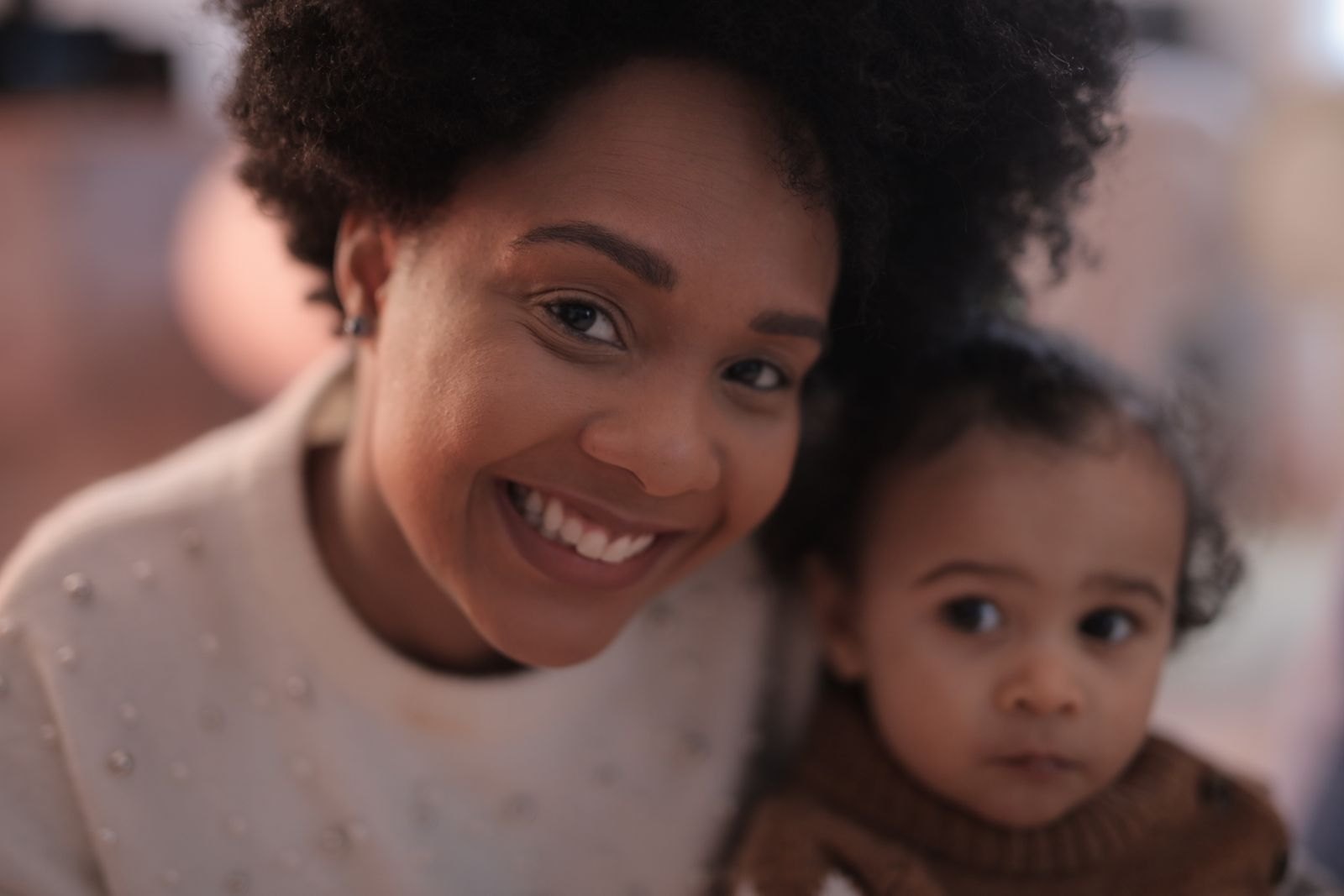
Attention and hearing both play a role, too. A baby deeply focused on a new toy, or in a room with a lot of background noise, may simply not register a name being called even though hearing and language development are both on track. Consistency of testing conditions matters more than most parents realize when they're informally gauging where their baby stands.
What Actually Helps
Using a baby's name often and consistently during everyday routines — narrating diaper changes, feeding, and play with their name woven in — gives more natural opportunities for the skill to develop than occasional deliberate 'tests' do. Calling a name once from across a noisy room and treating a lack of response as data isn't a reliable read on where a baby actually stands.
Watching for a broader pattern is more useful than watching for one skill in isolation: general responsiveness to sound, interest in faces and voices, and back-and-forth babbling are all part of the same developmental picture as name recognition, and tend to move together.
- Use a baby's name frequently during calm, one-on-one moments rather than testing it occasionally from a distance.
- Track the overall pattern over several weeks rather than judging any single moment.
- If there's no response to name by around 9 months alongside limited response to sound generally, reduced eye contact, or no babbling, bring it up with a pediatrician rather than waiting for the next scheduled checkup.
FAQ
Should I be worried if my 7-month-old doesn't turn around when I call their name? On its own, not usually — plenty of babies this age are still developing consistent name response, especially when distracted. It's worth watching alongside other communication milestones rather than in isolation.
Does hearing loss show up as not responding to name? It can be one sign among several, which is part of why standard newborn hearing screenings and pediatric checkups exist. If a baby doesn't startle at loud sounds, doesn't babble, or shows other signs of limited response to sound, it's worth raising with a pediatrician.
If there's one thing worth holding onto through this stretch, it's that a consistent trend across weeks tells you far more than any single unanswered call across the living room ever will.
More for this stage
 3 min read1 views
Highchair Refusal vs. Feeding Strike: How to Tell the Difference
Most highchair meltdowns are about independence, not appetite. Here's how to tell a normal feeding-independence phase from an actual feeding strike.
 5 min read1 views
Ear Pulling in Babies: The 'It's Just Teething' Myth, Debunked
Ear pulling can mean teething, an ear infection, or just a habit — here's how to tell which one actually fits your baby's signs.
 3 min read1 views