Ear Pulling in Babies: The 'It's Just Teething' Myth, Debunked
Ear pulling can mean teething, an ear infection, or just a habit — here's how to tell which one actually fits your baby's signs.
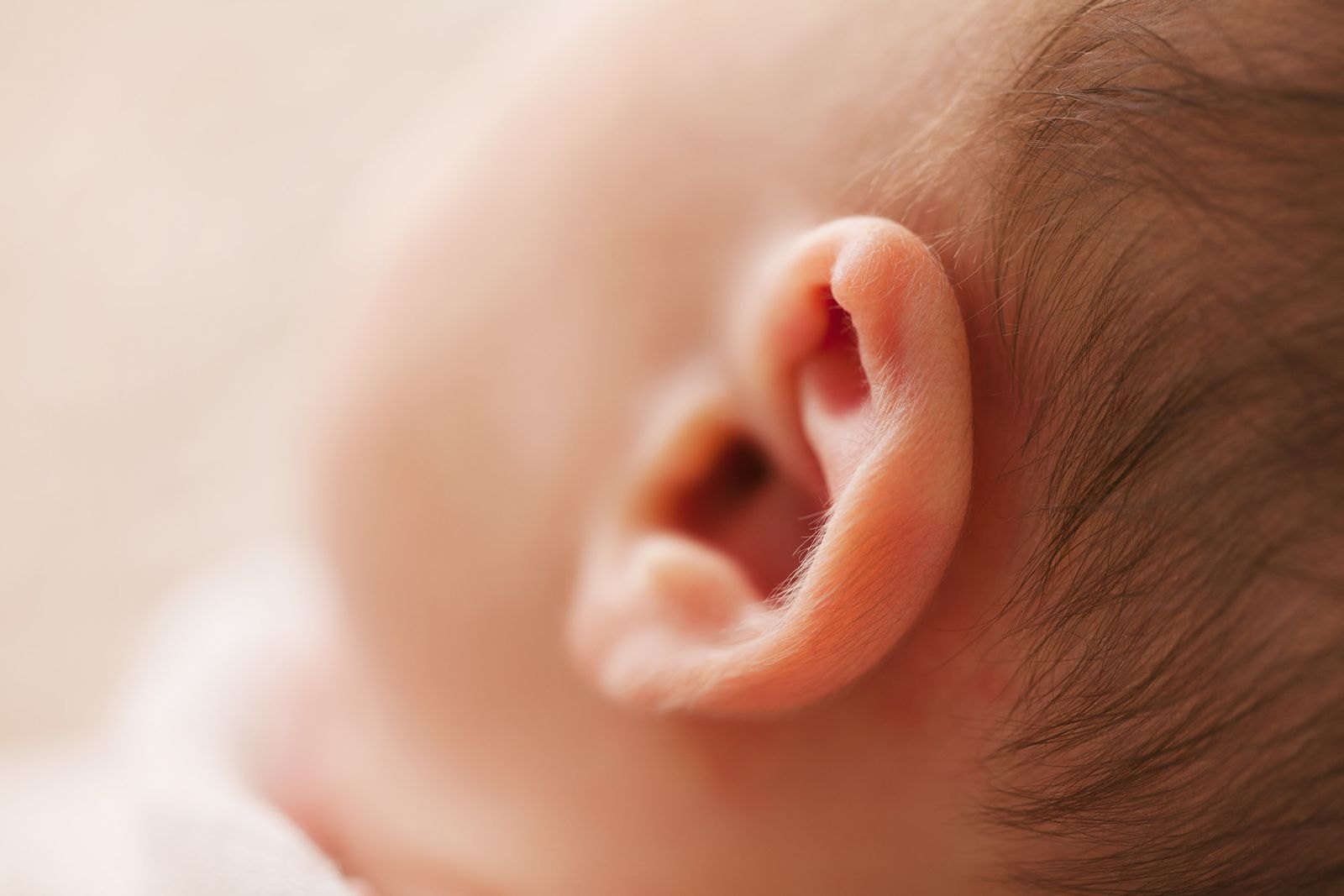
The moment a baby starts tugging at one ear, most parents reach for the same explanation before anything else: it's teething. That instinct makes sense — teething is common, it's talked about constantly, and it's the least scary option. But "it's just teething" is a default, not a diagnosis, and defaulting to it can leave a parent second-guessing themselves at 2 a.m., unsure whether to relax or call the pediatrician's after-hours line.
What Parents Commonly Assume
Because teething gets blamed for almost everything in the first two years — fussiness, drooling, disrupted sleep, and yes, ear pulling — it's easy to stop looking any further once that label feels like it fits. Ear pulling actually has three genuinely different, common causes, and only one of them is teething. The other two are an ear infection, which can need medical treatment, and a simple self-soothing or exploration habit, which needs nothing at all. Treating all ear pulling as interchangeable with teething means real infection signs can get waved off as "just a phase," while a baby who's simply discovered their own ear gets treated like something's wrong.
Why This Happens: Three Real Explanations
Ear infections cause pulling because fluid and pressure build up behind the eardrum, and that pressure is uncomfortable enough that babies reach for the source of the feeling — often after a cold, since a stuffy nose and inflamed eustachian tubes are closely linked. Teething causes ear pulling through referred pain: the nerve pathways in the jaw and gums run close to the ear, so discomfort from an erupting molar (especially the back molars that tend to come in later, often between 12 and 19 months) can feel, to a baby, like it's coming from the ear itself even though the ear is fine. The habit or exploration explanation is the least talked-about but very common — somewhere around six months and beyond, babies are discovering that their own body parts are things they can grab, and ears are an easy, always-available target, especially during naptime, feeding, or any moment of quiet self-soothing.
Ear Infection, Teething, or Habit? The Signals That Actually Differ
- Ear infection is more likely when ear pulling comes together with fever, fussiness that doesn't settle with the usual comfort measures, disrupted sleep that's new or worse than normal, crying or flinching when the ear is touched, fluid or discharge draining from the ear, or a baby who seems to respond less to sound or reacts differently to noise — particularly if all of this follows a recent cold.
- Teething is more likely when the pulling shows up alongside heavy drooling, biting down on hands, teethers, or anything nearby, and a low-grade, generalized irritability that doesn't include fever or ear-specific pain — and it's often not limited to one ear, since the discomfort is referred rather than coming from the ear itself.
- A habit is more likely when a baby seems completely well otherwise — calm, eating normally, sleeping close to their usual pattern — and pulls at the ear consistently regardless of illness, often paired with grabbing at other body parts like hair, feet, or a belly button, which is typical of older infants exploring their own body.
None of these signals work perfectly in isolation, which is exactly why it's worth looking at the combination rather than the single symptom. A baby who's otherwise thriving and occasionally tugs an ear during a calm moment is telling a very different story than a baby who's been unusually fussy for two days, sleeping poorly, and now pulling at one ear insistently.
What Actually Helps
If teething looks like the likeliest explanation, the usual comfort measures apply: something safe and cold to chew on, gentle counter-pressure on the gums, and patience, since referred ear discomfort from teething tends to ease on its own as the tooth comes through. If a habit looks like the explanation, there's typically nothing to intervene on at all — redirecting attention with a toy during awake time can reduce how often it happens, but it isn't a safety concern and doesn't need to be stopped.
If the signs point toward possible infection — fever, pain, disrupted sleep, or drainage — that's a different situation. An ear infection needs a professional look inside the ear canal to actually confirm, since none of the outward signals above can substitute for that exam. Left untreated, some ear infections resolve on their own, but others cause ongoing discomfort or need antibiotics, which isn't something to guess about at home.
FAQ
Can teething and an ear infection happen at the same time? Yes — teething is common enough in the first two years that it can overlap with an unrelated ear infection, which is part of why "it's just teething" can be a risky assumption to lean on entirely.
Is it normal for a baby to pull on both ears? Pulling at both ears, without fever or distress, leans toward teething or habit rather than infection, since infections are usually (though not always) limited to one ear at a time.
So here's the real question worth sitting with the next time it happens: does the ear pulling come with anything else — a fever, disrupted sleep, signs of pain when the ear is touched — or is your baby otherwise completely themselves, calm and content while they do it? If you're genuinely not sure which of these three fits, it's worth checking with your pediatrician rather than guessing, and if anything about fever or pain is present, don't wait to ask your pediatrician to look at the ear directly.
More for this stage
 3 min read1 views
Baby Not Pointing Yet: 3 Things Parents Get Wrong
A missing checkbox on a milestone list can feel alarming, but pointing is one of the most commonly misread items. Here's what actually matters.
 3 min read1 views
Why Teething Gets Blamed for Fevers It Doesn't Cause
Fever, diarrhea, and runny noses get chalked up to teething constantly, but research says teething doesn't cause them. Here's what's actually going on.
 3 min read1 views