Why Teething Gets Blamed for Fevers It Doesn't Cause
Fever, diarrhea, and runny noses get chalked up to teething constantly, but research says teething doesn't cause them. Here's what's actually going on.
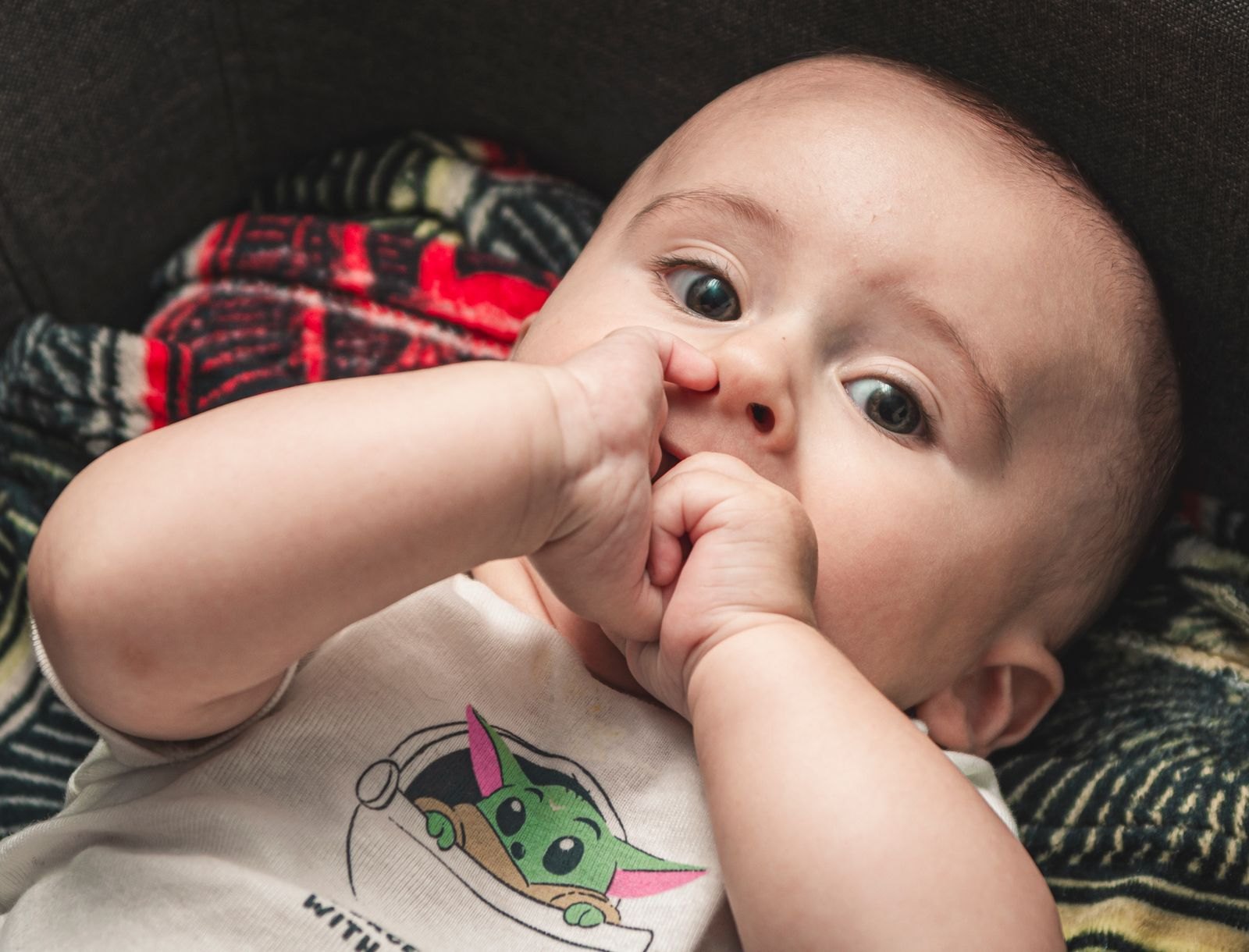
"It's probably just teeth coming in" may be one of the most repeated phrases in early parenthood — said about fevers, runny noses, diarrhea, and sleepless nights alike. It's also, according to the research, wrong more often than it's right. Teething is real and it does cause some symptoms, but the list of things it actually causes is much shorter than the list of things it gets blamed for.
What parents commonly get wrong
The core misunderstanding is treating teething as an explanation broad enough to cover almost any symptom that shows up between roughly six months and two and a half years — which happens to be almost the entire window when teeth are coming in. Because teething is happening constantly during this stretch, it becomes an easy, convenient explanation for whatever else is going on, whether or not the two are actually connected.
The American Academy of Pediatrics is direct about this: teething does not cause fever, diarrhea, diaper rash, or a runny nose. Gum irritation from an emerging tooth can cause a very small, temporary rise in temperature — enough that a baby might feel slightly warmer — but that's different from an actual fever, and research reviewing data across multiple countries found that while teething babies may run marginally warmer, it doesn't rise to fever-range temperatures because of teething alone.

Why the confusion happens
The timing is what creates the illusion of cause and effect. Teeth typically start coming in around six months and continue through roughly age two and a half — which is also exactly the stretch when babies are starting solid foods, losing the antibody protection they had from their mother at birth, exploring the world by putting everything in their mouths, and attending daycare or other group settings for the first time. All of those are far more plausible sources of the actual fevers, colds, and stomach bugs that show up during this window than a tooth pushing through gum tissue.
There's also a physical explanation for one real teething symptom that gets misattributed: babies do produce more saliva while teething, and swallowing extra saliva can occasionally lead to slightly looser stools. That's a real, mild effect — but it's a different thing from diarrhea, which involves more frequent, watery stools and can be a sign of illness that benefits from medical attention, not something to wait out because "it's just teeth."
What actually helps
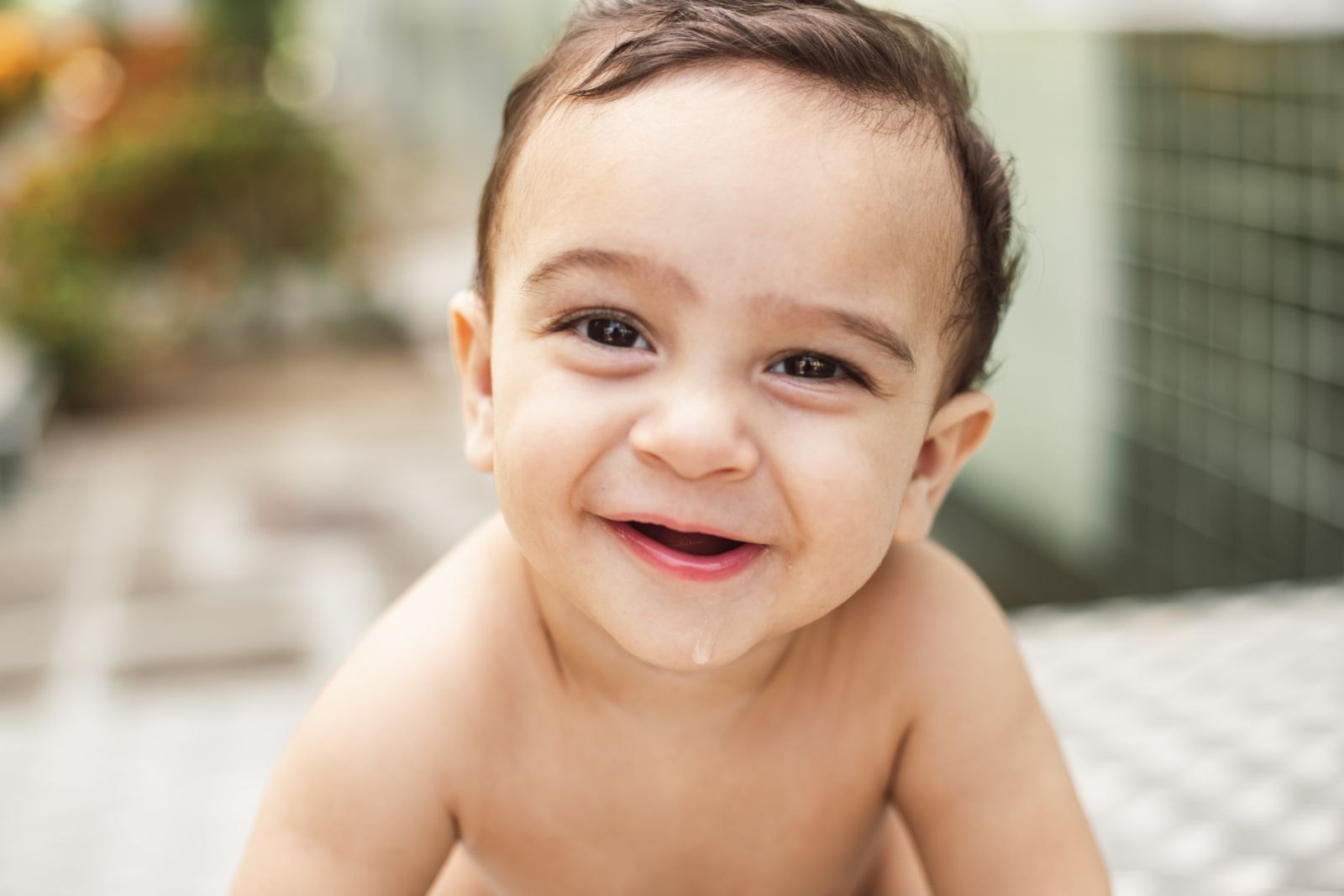
What teething does reliably cause is local: drooling, gum swelling and tenderness, irritability, a desire to chew on things, and sometimes mild disruption to sleep or appetite right around when a new tooth is emerging. For those symptoms, a firm (not liquid-filled) silicone or rubber teether the baby can safely gnaw on, plus a clean finger or cool, damp washcloth gently rubbed on the gums, are the go-to low-effort options — the teether category is worth having a couple of on hand since babies often prefer different textures.
For everything outside that local symptom list — an actual fever, diarrhea, a persistent runny nose, or a baby who seems unusually unwell — it's worth looking past teething for the real cause rather than waiting it out. Because a real fever or illness can sometimes coincide with teething by pure timing, it's easy to miss something that needs attention if teething becomes the default explanation. If your baby has a fever, unusual lethargy, persistent diarrhea, or any symptom that concerns you, confirm with your pediatrician rather than assuming it will pass once a tooth comes through.
FAQ
Are teething gels or tablets safe? Ask your pediatrician before using teething gels, tablets, or homeopathic remedies — some ingredients used in these products have specific safety guidance for infants that's worth confirming for your child's age.
What temperature actually counts as a fever? Confirm with your pediatrician what threshold and thermometer type they recommend for your baby's age, since guidance can differ for very young infants.
More for this stage
 3 min read1 views
Baby Separation Anxiety: 3 Things Parents Get Wrong
Separation anxiety around 8-9 months feels like a setback, but it tracks real cognitive growth. Here's what parents typically get wrong.
 4 min read1 views
The Baby Sign Language Myth, Debunked
Worried baby sign language will delay talking? Research says the opposite — it doesn't slow speech and may even ease frustration for babies.
 4 min read1 views