Late Walking Isn't the Red Flag You Think It Is
Babies typically walk between 9 and 18 months, a wide normal range. Here's what actually predicts late walking, and the few signs worth a pediatrician visit.
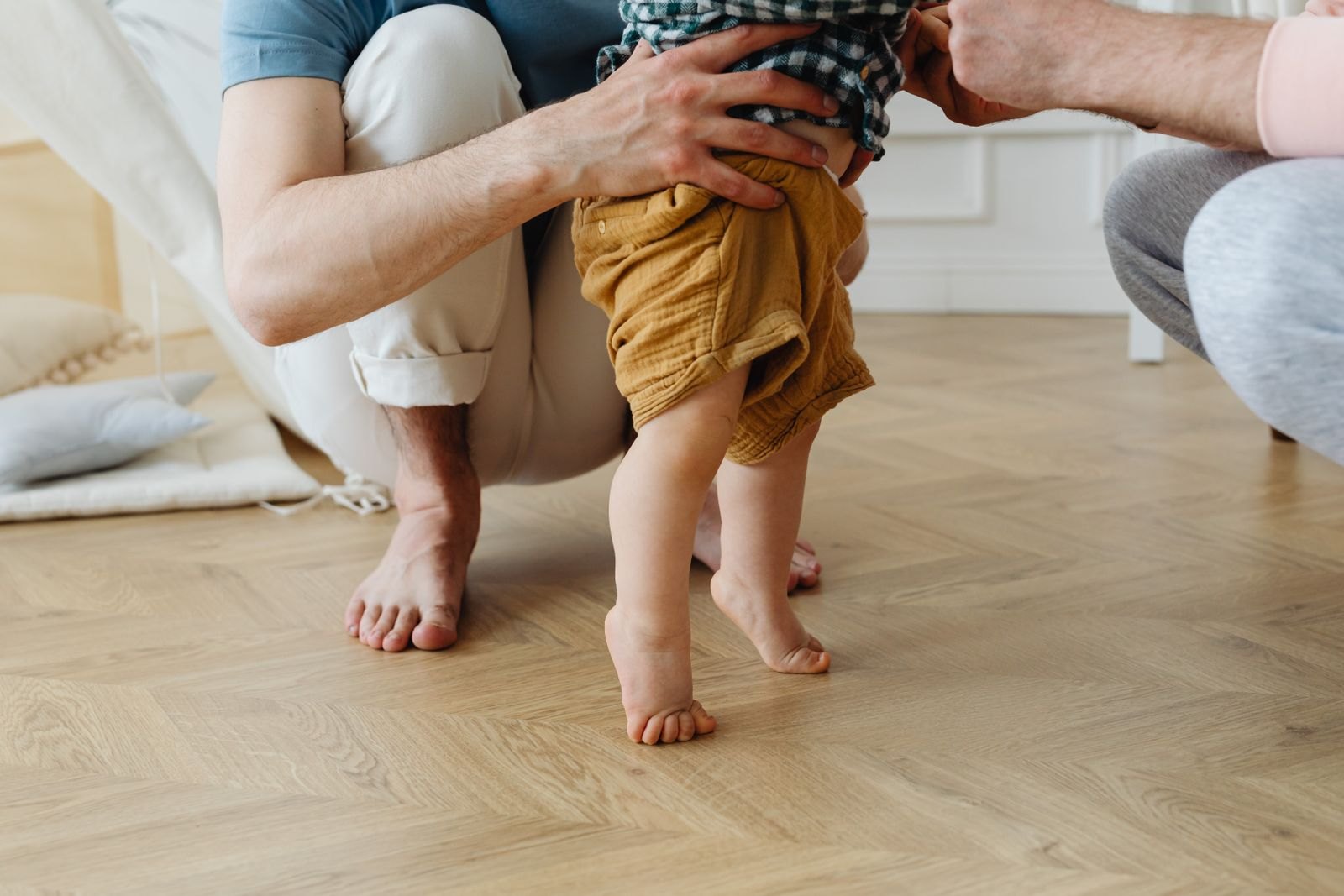
It's hard not to compare. At the same playgroup, one baby is cruising confidently along the coffee table while another is still happily crawling everywhere, and it's easy to read that gap as something to worry about. For most families, a baby who walks later than a friend's baby — or later than an older sibling did — isn't behind at all. They're on a different, still entirely normal, timeline.
What parents commonly misunderstand
A lot of parents treat 12 months as an unofficial deadline, because it's the age most often repeated in casual conversation as "when babies walk." In reality, major pediatric guidance puts independent walking anywhere from 9 to 18 months as within the typical range — a spread of the better part of a year. A baby who takes their first independent steps at 16 or 17 months hasn't missed a deadline; they've landed on the later end of a wide, well-established range.
The second misunderstanding is treating walking age as a preview of anything else — intelligence, athleticism, or general development. For the large majority of late walkers, walking timing doesn't predict those things. It mostly reflects a mix of temperament, body build, and how a baby has been getting around up to that point, not a head start or a setback in some broader sense.
Why this happens
How a baby has already learned to move matters more than people expect. Babies who become efficient at an alternate way of getting around — commonly called "bottom shufflers" or scooters, who scoot on their bottom instead of crawling on hands and knees — often walk later, simply because their existing method already gets them where they want to go. There's less pressure to trade a skill that works for one that's harder and less stable at first.
Family history plays a real role too: parents or older siblings who walked later tend to have babies who follow a similar pattern. Build and temperament matter as well — a heavier-set baby has more weight to balance over two feet, and a cautious, careful baby often waits until they're confident they won't fall before letting go of the furniture, rather than lacking the physical ability to do it sooner.
What actually helps
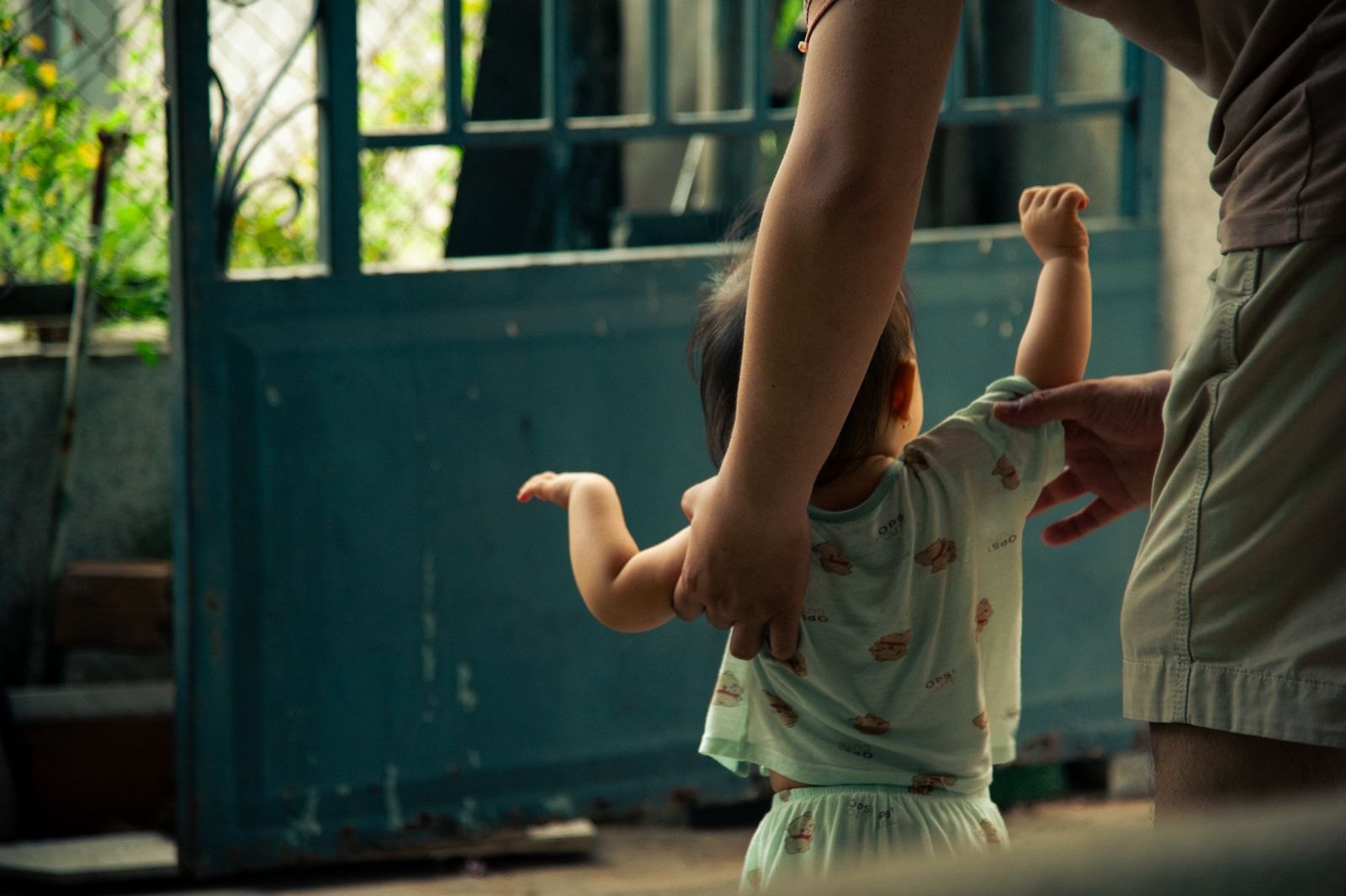
Plenty of unstructured floor time gives a baby the most natural chances to practice pulling to stand, cruising along furniture, and eventually letting go. Keeping time in bouncers, carriers, and other seats reasonably limited during awake hours leaves more room for that practice to happen. Furniture at a stable, baby-safe height to cruise along helps more than any specific toy or gadget marketed for walking. Wheeled baby walkers are worth avoiding specifically — pediatric guidance discourages them because of real fall and stair-injury risks, and they don't meaningfully speed up walking anyway.
A short list of signs is worth paying attention to regardless of age: not bearing any weight on their legs when supported, showing no interest in pulling to stand by around 12 months, noticeably favoring one side of the body over the other, or losing a movement skill they'd previously mastered. None of these on their own means something is wrong, but if you notice any of them, it's worth bringing it up with your pediatrician at your next visit — they can confirm whether it's ordinary variation or worth a closer look.
FAQ
At what age should late walking actually be evaluated? Many pediatric sources use 18 months as a general point to check in if a baby still isn't walking independently, though your pediatrician will weigh it alongside your baby's other motor milestones rather than looking at walking in isolation.
Do baby walkers help a baby walk sooner? Not reliably — most evidence points to floor time and furniture cruising as more useful for building the balance and leg strength walking requires, and wheeled walkers carry safety risks that outweigh any speed-up they might offer.
So instead of comparing timelines with the family next door, it helps to ask: is your baby pulling to stand, cruising along furniture, or taking a few wobbly steps holding your hands? If any of that is happening, they're doing exactly what this stage is supposed to look like — walking, when it arrives, is just the last domino in a line they've already been knocking down.
More for this stage
 3 min read1 views
Stranger Anxiety at 8 Months: Why It Suddenly Shows Up
Your easygoing baby suddenly cries at a friendly stranger around 8 months. Here's the developmental reason, and how it differs from separation anxiety.
 3 min read1 views
Tired Cues Parents Miss: 4 Signs a Baby Is Overtired
Eye-rubbing and ear-pulling often show up minutes before a meltdown. Here are the early tired cues parents miss, and why they're easy to overlook.
 3 min read1 views