Stranger Anxiety at 8 Months: Why It Suddenly Shows Up
Your easygoing baby suddenly cries at a friendly stranger around 8 months. Here's the developmental reason, and how it differs from separation anxiety.
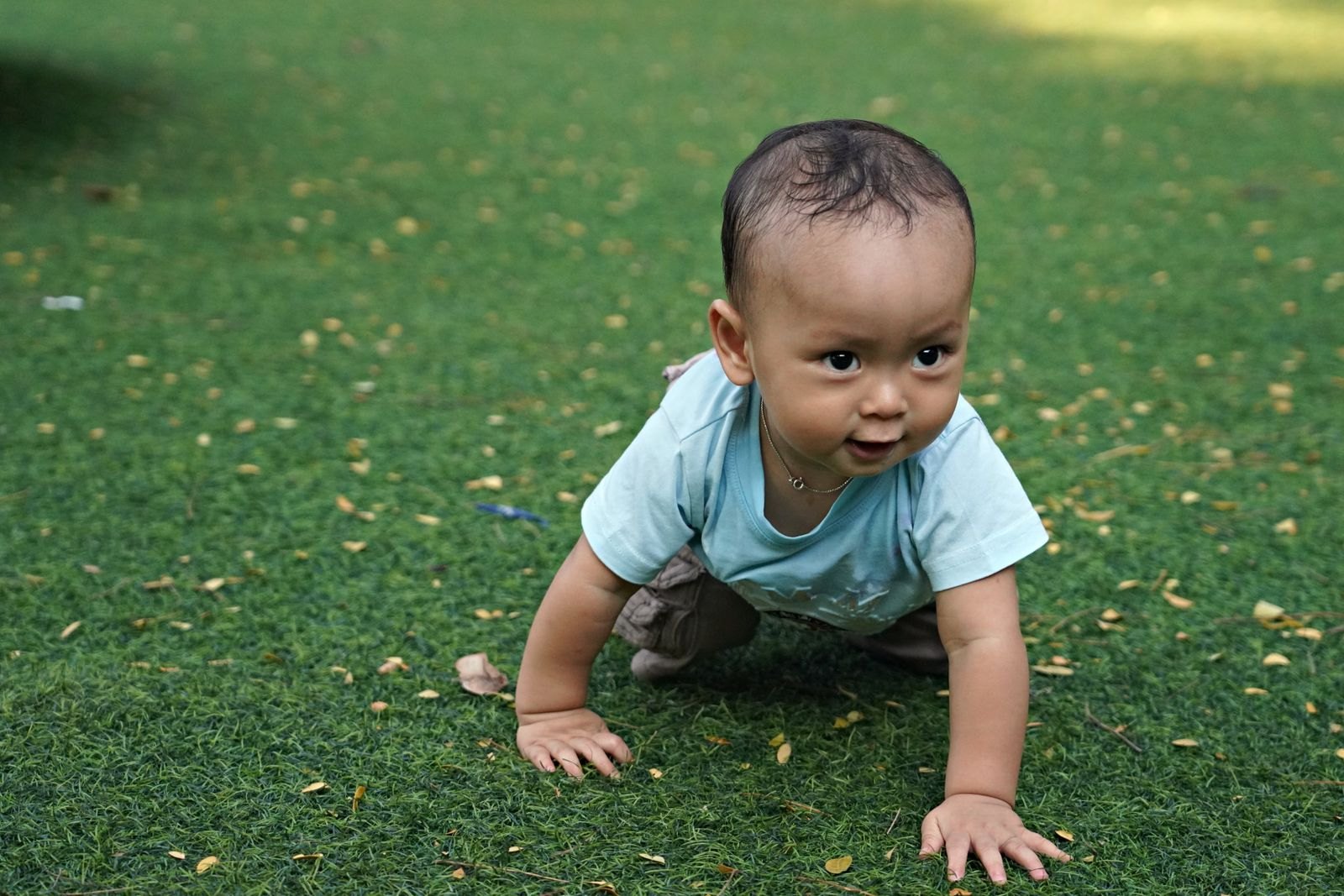
By around 9 months, the CDC's developmental milestone checklists note that many babies "may be shy, clingy, or fearful around strangers" — a shift that can feel sudden when the same baby happily let anyone hold them just a month or two earlier. If your previously easygoing baby has started crying, turning away, or clinging to you around unfamiliar faces, you're watching a genuine, well-documented developmental stage arrive right on schedule.
What's Actually Changing
This shift isn't your baby becoming more difficult — it's their brain doing something it genuinely couldn't do as reliably a few months earlier. Facial recognition and memory sharpen a great deal in the second half of the first year, which means a baby can now actually tell familiar faces apart from unfamiliar ones with much more confidence than before. Wariness toward a new face is a direct result of that new skill, not a step backward from it.
Stranger Anxiety Is Not the Same as Separation Anxiety
These two get lumped together constantly, but they're triggered by different things. Separation anxiety is distress about a specific attachment figure leaving — it can happen even around other familiar, trusted people, and it's about who's going away. Stranger anxiety is wariness toward an unfamiliar person even while your baby is still safely in your arms — it's about who's showing up. They tend to emerge around a similar window in the second half of the first year and can show up together, but they aren't the same phase, and a baby can absolutely have one without much of the other.
What Actually Helps
- Don't force interaction — let your baby warm up at their own pace instead of being passed directly into an unfamiliar person's arms.
- Give new people a few minutes of low-pressure presence in the room before they try to hold or engage your baby directly.
- Stay physically close during introductions rather than stepping out — proximity to a trusted adult is often what settles a wary baby fastest.
- Give familiar caregivers, like grandparents after time apart, a heads-up that a warm welcome may take a visit or two to rebuild.
FAQ
Should I stop introducing my baby to new people until this passes? No — steady, low-pressure exposure is actually part of what helps a baby build confidence around new faces over time. The goal is pacing each introduction so your baby has room to warm up, not avoiding new people altogether.
Does a strong reaction mean my baby is more anxious than other babies? Not necessarily. Stranger anxiety is one of the most universal stages in infant development, but how intensely it shows up varies a lot by temperament — a big reaction in the moment says more about typical brain development doing its job than about your baby's personality long-term.
If your baby who used to go to anyone now buries their face in your shoulder at the sight of a new person, that's not a step backward and it's not something you caused. It's a sign their brain is doing exactly what it's supposed to be doing at this age — and for most babies, this wariness eases within a few months as they get more practice reading new faces.
More for this stage
 3 min read1 views
Tired Cues Parents Miss: 4 Signs a Baby Is Overtired
Eye-rubbing and ear-pulling often show up minutes before a meltdown. Here are the early tired cues parents miss, and why they're easy to overlook.
 3 min read1 views
Baby Not Responding to Their Name: Should You Worry?
Not every baby turns to their name at the same age. Here's the actual normal range for name recognition, and what's worth watching for.
 3 min read1 views