Highchair Refusal vs. Feeding Strike: How to Tell the Difference
Most highchair meltdowns are about independence, not appetite. Here's how to tell a normal feeding-independence phase from an actual feeding strike.
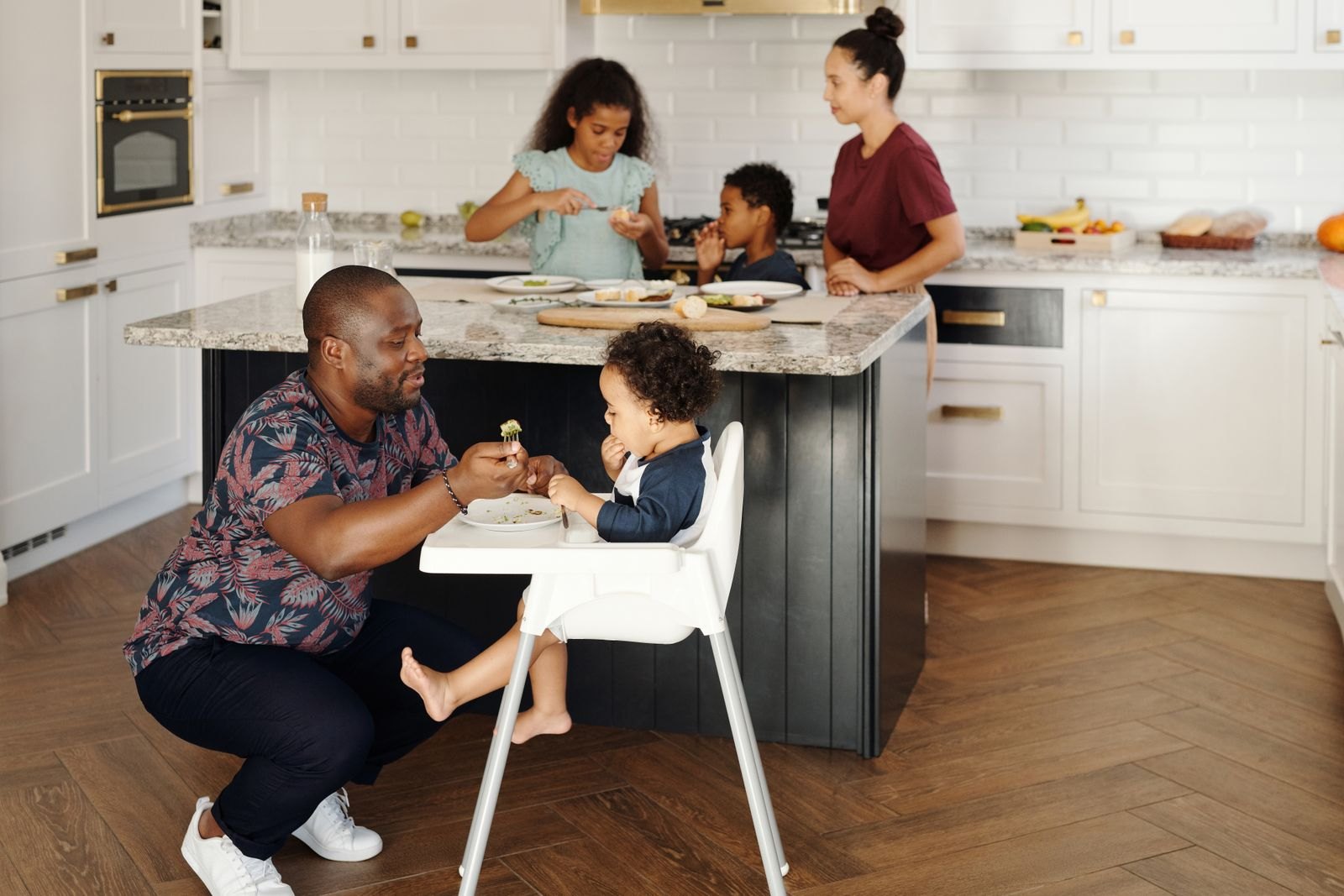
Most sudden highchair refusal isn't about food at all — it's a baby asserting new independence, and it usually passes within a couple of weeks without any change to what's actually on the plate.
What Parents Commonly Confuse
Arching away from the spoon, twisting sideways in the seat, or batting food off the tray looks dramatic, and it's easy to read as rejecting a specific food. Most of the time it's the highchair and the restraint that's being rejected, not the meal — the same baby who refuses purees from a spoon in a highchair will often eat the identical food happily off a tray with their own hands, or on a lap.
It's also easy to mistake a single rough mealtime for a feeding strike. A true feeding strike is rarer and looks different: noticeably reduced intake across several meals in a row, over multiple days, sometimes alongside fewer wet diapers or a baby who seems generally unwell — not one dinner where a nine-month-old flings a spoon across the kitchen.
Why This Happens
This phase tends to line up with the window when babies are mastering the pincer grasp and starting to feed themselves, usually somewhere between nine and fourteen months. Wanting control over food is part of a broader push for independence that shows up in feeding before it shows up almost anywhere else, simply because mealtimes happen multiple times a day and involve a baby's own body and hands.
Being strapped into a highchair and fed on someone else's timing and someone else's spoon can feel, developmentally, like exactly the wrong moment for a baby who's newly capable of picking food up and deciding for themselves when and how fast to eat it. The refusal isn't defiance for its own sake — it's a baby using the only leverage they have to ask for more say in something that affects them directly.
Independence Phase or Feeding Strike? What to Watch For
- Independence-related refusal usually happens mainly in the highchair, comes and goes meal to meal, and doesn't affect a baby's energy, wet diapers, or willingness to eat the same food a different way.
- A genuine feeding strike shows up across multiple settings and days, often lines up with teething, illness, or a recent schedule disruption, and can come with fewer wet diapers or a baby who seems off overall.
- Independence-related refusal responds to a change in approach (more self-feeding control); a true feeding strike usually needs time, comfort, and sometimes a pediatrician's input rather than a new feeding strategy.
What Actually Helps
Handing over more control tends to work better than holding onto less. Offering soft finger foods a baby can pick up themselves, letting them hold a preloaded spoon even if most of it ends up on the floor, and accepting a much shorter attention span at the table than a few weeks ago all give a baby the autonomy this phase is asking for.
Skipping the pressure to finish a portion matters more than the food itself — offering without pushing keeps mealtimes from becoming a standoff, and a baby who isn't being pressured is far more likely to come back around to the highchair once the independence-testing settles down.
FAQ
Is it okay to let my baby eat outside the highchair for a while? Yes — a floor mat, a lap, or a low table are all reasonable alternatives during this phase, as long as choking-safety basics (seated upright, supervised, appropriate food textures) still apply.
How long does this phase usually last? Most independence-related highchair refusal eases within a couple of weeks as babies get more practice self-feeding and the novelty of the new skill settles down.
If refusal is happening at nearly every meal for more than two weeks, or comes with fewer wet diapers, weight concerns, or a baby who seems unwell, it's worth checking in with your pediatrician to rule out something beyond a normal independence phase — but for most families, this is a stage to work around rather than a problem to solve.
More for this stage
 5 min read1 views
Ear Pulling in Babies: The 'It's Just Teething' Myth, Debunked
Ear pulling can mean teething, an ear infection, or just a habit — here's how to tell which one actually fits your baby's signs.
 3 min read1 views
Baby Not Pointing Yet: 3 Things Parents Get Wrong
A missing checkbox on a milestone list can feel alarming, but pointing is one of the most commonly misread items. Here's what actually matters.
 3 min read1 views