The Baby Sign Language Myth, Debunked
Worried baby sign language will delay talking? Research says the opposite — it doesn't slow speech and may even ease frustration for babies.
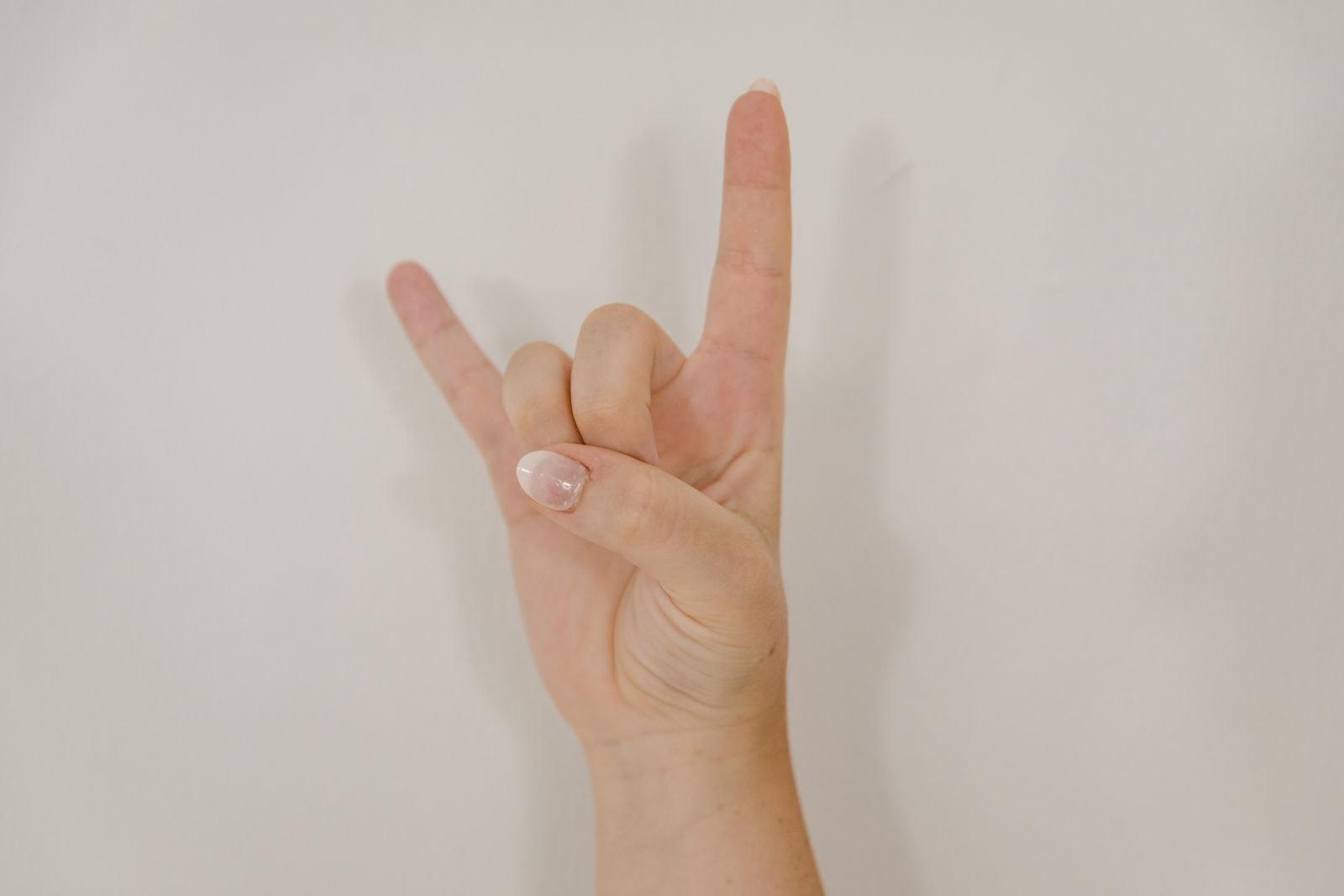
Many parents hold off on teaching baby sign language for one specific reason: the worry that gesturing will somehow replace talking, or slow it down. It's an understandable concern — but it isn't supported by the research. Studies that have tracked signing babies against non-signing babies through toddlerhood find no delay in spoken language. If anything, the opposite shows up: babies who learn a handful of simple signs tend to test slightly ahead on standardized language measures later on, not behind.
Where the delay myth comes from
The concern makes intuitive sense on the surface: a baby's attention and energy seem like a limited resource, so time spent learning to wave a hand for "milk" looks like time not spent learning to say the word. That's the same logic behind old advice to limit pacifiers for fear they'd interfere with speech muscles — a reasonable-sounding guess that doesn't hold up once you look at what's actually developing. Gesture and speech aren't drawing from the same pool.
Baby sign language itself grew out of an observation, not an invented intervention. Developmental psychologists Linda Acredolo and Susan Goodwyn noticed in the early 1980s that hearing babies were already inventing their own gestures to stand in for words before they could speak — flapping their arms for "bird" or patting their chest for a pet. When they began formally teaching parents to build on that instinct with a small vocabulary of consistent signs, the most common question they got back from parents was whether it would backfire and delay talking. That question is exactly what their own follow-up research was designed to answer.
What the research actually shows
Acredolo and Goodwyn's longitudinal study followed 103 eleven-month-olds split into a signing group, a verbal-emphasis comparison group, and a no-intervention control group, then re-tested their language skills at 15, 19, 24, 30, and 36 months using standardized tests. The signing group didn't fall behind — they scored ahead of the other groups on vocabulary and language comprehension measures well into their third year. A separate research review of augmentative and alternative communication methods, conducted by researchers Diane Millar and Janice Light across dozens of studies, reached a similar conclusion for children more broadly: using gesture or another non-verbal communication method alongside speech doesn't suppress verbal development and can support it.
The reason isn't mysterious once you look at what's maturing on which timeline. Producing clear speech sounds requires fine coordination of the tongue, lips, and breath — a set of motor skills that develops gradually across the first two years. The hands, by contrast, gain the fine motor control needed for a simple gesture months earlier. Signing gives a baby a way to practice the harder cognitive part of language — attaching one specific meaning to one specific symbol on purpose — through a body part that's already capable, while the mouth catches up. That's rehearsal for language, not a detour from it. It's also worth noting what signing reliably does deliver in the meantime: a way for a baby to ask for milk, more food, or help before frustration turns into crying, which is the benefit most parents actually notice day to day.
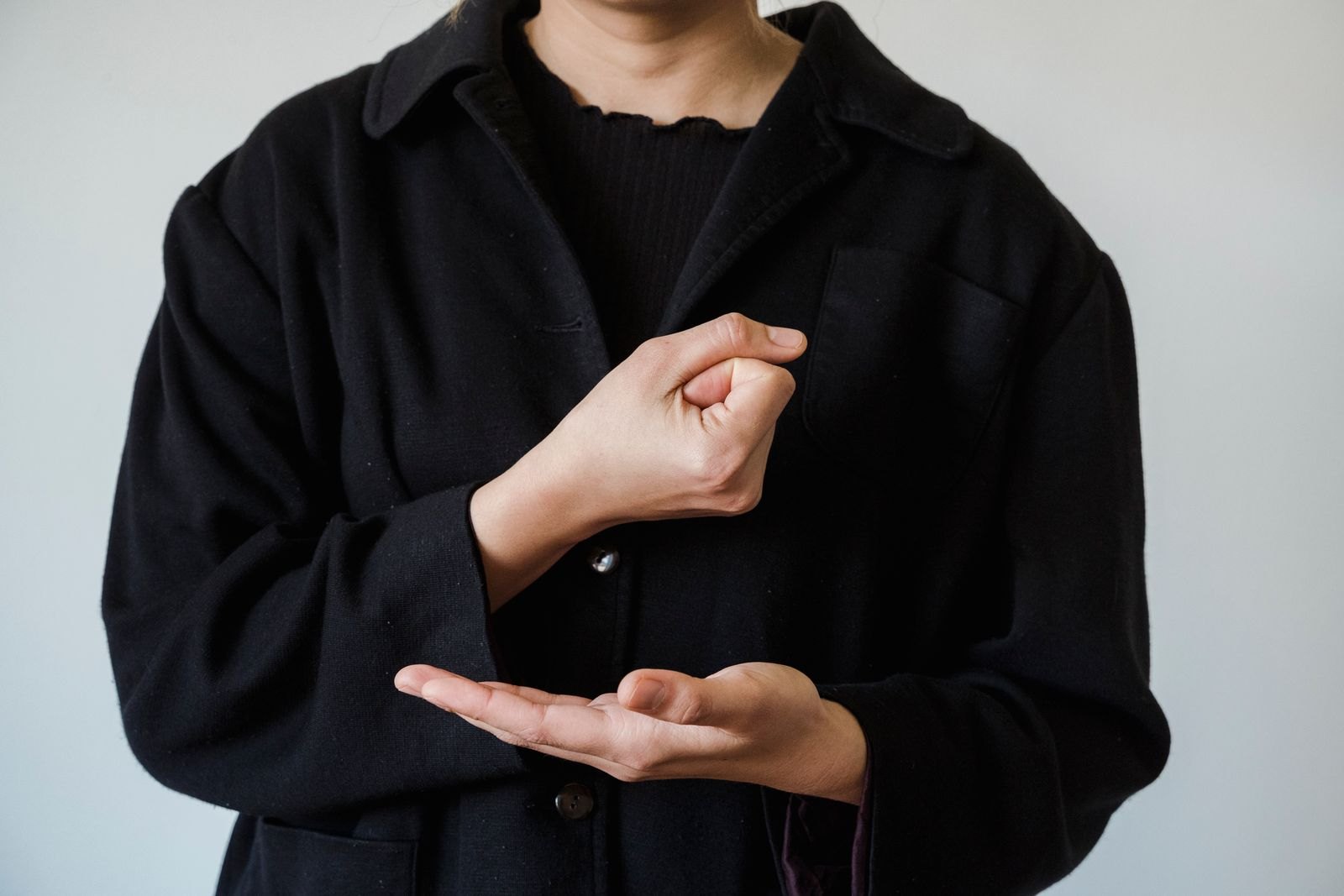
How to actually start signing with your baby
Most babies are ready to start around 6 to 8 months old, once they can hold your gaze and begin to anticipate routines, though some parents introduce a sign or two as early as 4 months without any issue. Pick one to three signs tied to whatever comes up constantly in your day — milk, more, all done, and eat cover most of it — and pair each one with the spoken word every single time, not instead of it. Consistency matters more than the number of signs: a baby who sees the same gesture paired with the same word, from the same caregivers, dozens of times a week will pick it up faster than one exposed to a large but inconsistent vocabulary.
Signing works as a bridge, not a substitute, so keep narrating, naming, and talking through your day exactly as you would otherwise — the sign rides alongside the word, it doesn't stand in for it. Most babies begin gesturing back within a few weeks to a couple of months of consistent exposure, and the pace varies enough between individual babies that it's not worth comparing timelines with other parents. Once a baby can say a word clearly enough to be understood, most drop the sign for it on their own and let speech take over.
FAQ
Do I need a formal class or kit to start? No — any consistent, simple gesture works as well as an official sign, since the value comes from consistency and pairing with speech, not from using an exact American Sign Language sign.
What if my baby doesn't sign back for months? That's within the normal range. Some babies start gesturing within weeks while others take longer, and how quickly signing itself takes off doesn't predict the eventual speech outcome.
More for this stage
 4 min read1 views
Late Walking Isn't the Red Flag You Think It Is
Babies typically walk between 9 and 18 months, a wide normal range. Here's what actually predicts late walking, and the few signs worth a pediatrician visit.
 3 min read1 views
Stranger Anxiety at 8 Months: Why It Suddenly Shows Up
Your easygoing baby suddenly cries at a friendly stranger around 8 months. Here's the developmental reason, and how it differs from separation anxiety.
 3 min read1 views