Baby Separation Anxiety: 3 Things Parents Get Wrong
Separation anxiety around 8-9 months feels like a setback, but it tracks real cognitive growth. Here's what parents typically get wrong.
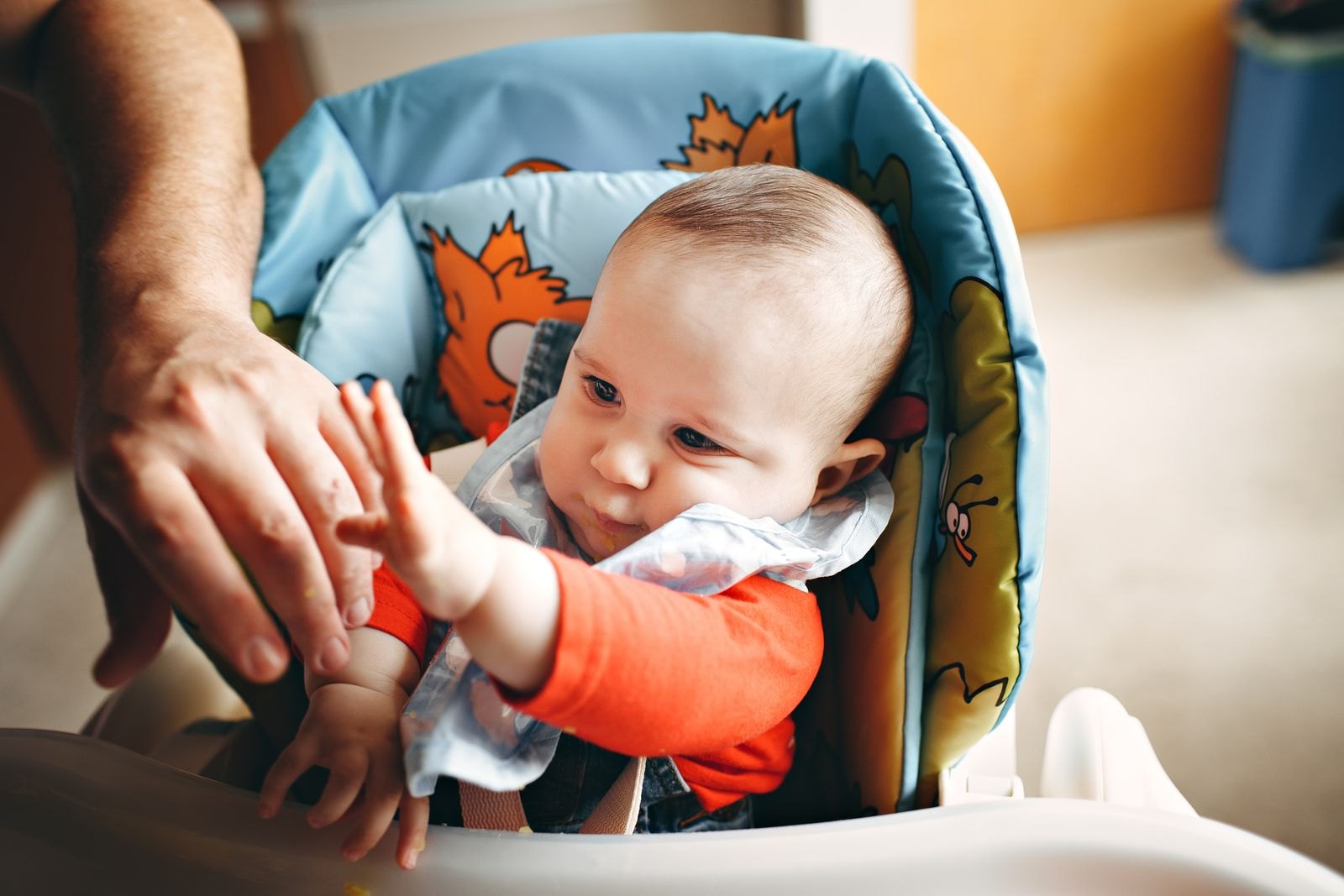
Around eight or nine months, a baby who used to happily go to a grandparent, a babysitter, or even the other parent in the next room suddenly starts crying the second you're out of sight — even for a diaper change down the hall. It can feel like something regressed, especially if separations used to be easy. In reality, separation anxiety showing up now is a sign of real cognitive progress, and a few common assumptions about it tend to make the stage harder than it needs to be.
1. Assuming it means something is wrong
The instinct is to read new clinginess as a step backward, or a sign your baby was somehow doing better before. Developmental researchers see it differently: Zero to Three, a national child-development research and policy organization, describes separation anxiety appearing around this age as an important, expected stage that nearly all babies go through — not a problem to solve. It shows up because your baby has just developed real cognitive skills, not because something has gone missing.
2. Not understanding why it starts now specifically
The timing lines up closely with a specific cognitive milestone: object permanence, or understanding that people and things continue to exist even when they're out of sight. Before this develops, out of sight is genuinely out of mind for a baby — no object permanence means no reason to protest when you leave the room, because as far as your baby's understanding goes, you haven't really gone anywhere in a way that matters. Once object permanence develops, usually somewhere in the 8-to-9-month range, your baby can picture you existing elsewhere, but doesn't yet have a reliable sense of time to know confidently that you'll be back. That gap between "I know they still exist" and "I trust they're coming back soon" is what produces the protest.
3. Treating goodbyes as something to avoid
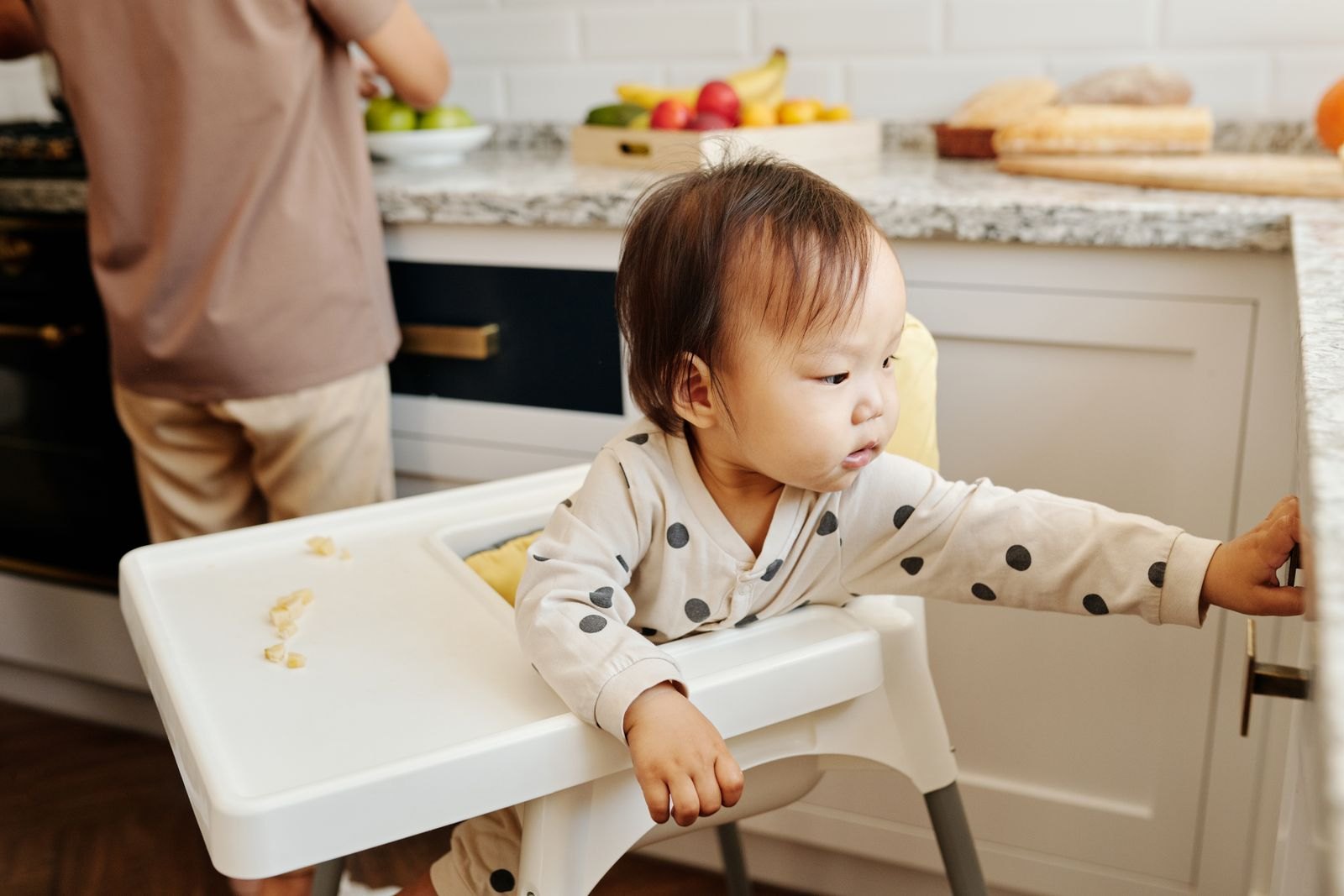
A common instinct is to sneak away without saying goodbye, hoping to skip the crying altogether. In practice, this tends to make separations harder over time rather than easier, since a baby who's caught off guard by a caregiver's sudden disappearance has less reason to trust that a goodbye means someone's coming back. A short, calm, consistent goodbye — rather than a long drawn-out one or a silent disappearance — helps your baby build a predictable pattern: you leave, you say so, and you come back, every time.
What actually helps
Brief, low-key separations — a few minutes in another room, then working up gradually — help your baby practice tolerating your absence in small, manageable doses rather than facing it for the first time during a long day-care drop-off. A consistent goodbye routine, keeping your tone matter-of-fact rather than anxious (babies pick up on a caregiver's own nervousness), and following through reliably when you say you'll be back all reinforce the trust that's still developing. This stage typically peaks in the months following its first appearance and eases as your baby's sense of time and trust in your return catches up with their object permanence — most children move through it without any lasting effect on their attachment to their caregivers.
FAQ
When does separation anxiety usually peak? It commonly intensifies in the months following its first appearance around 8 to 9 months, though the exact timing and intensity vary a lot between individual babies.
Should I worry if my baby doesn't show separation anxiety at all? Not necessarily — the range of normal is wide, and some babies show much milder versions of this stage. If you have concerns about your baby's overall development, bring them up with your pediatrician at a routine visit.
More for this stage
 4 min read1 views
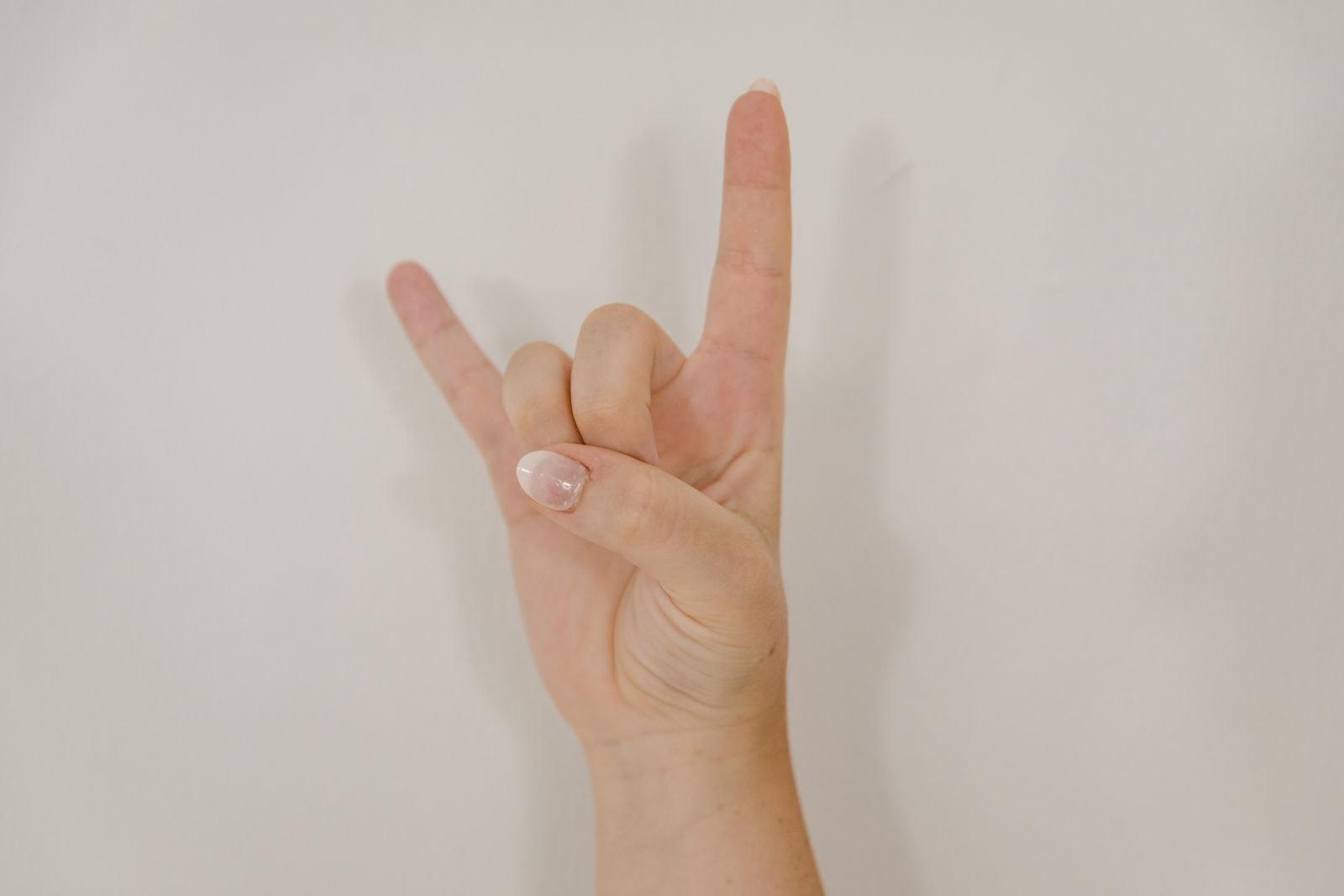
The Baby Sign Language Myth, Debunked
Worried baby sign language will delay talking? Research says the opposite — it doesn't slow speech and may even ease frustration for babies.
 4 min read1 views
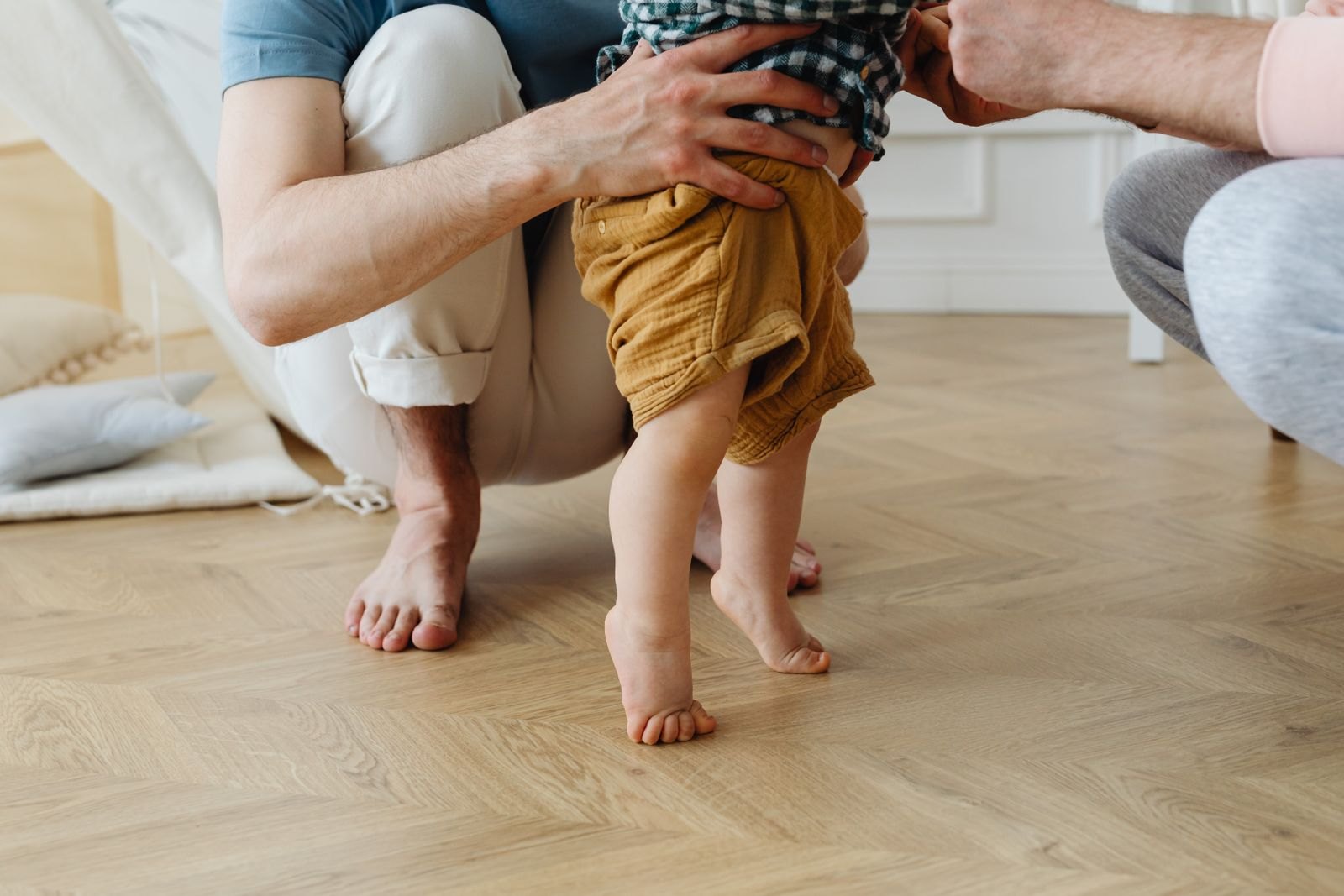
Late Walking Isn't the Red Flag You Think It Is
Babies typically walk between 9 and 18 months, a wide normal range. Here's what actually predicts late walking, and the few signs worth a pediatrician visit.
 3 min read1 views