Baby-Led Weaning vs. Purees: It Isn't an Either-Or Decision
Baby-led weaning and purees get pitched as competing philosophies, but research finds no clear winner on choking, growth, or iron. Here's how to choose.
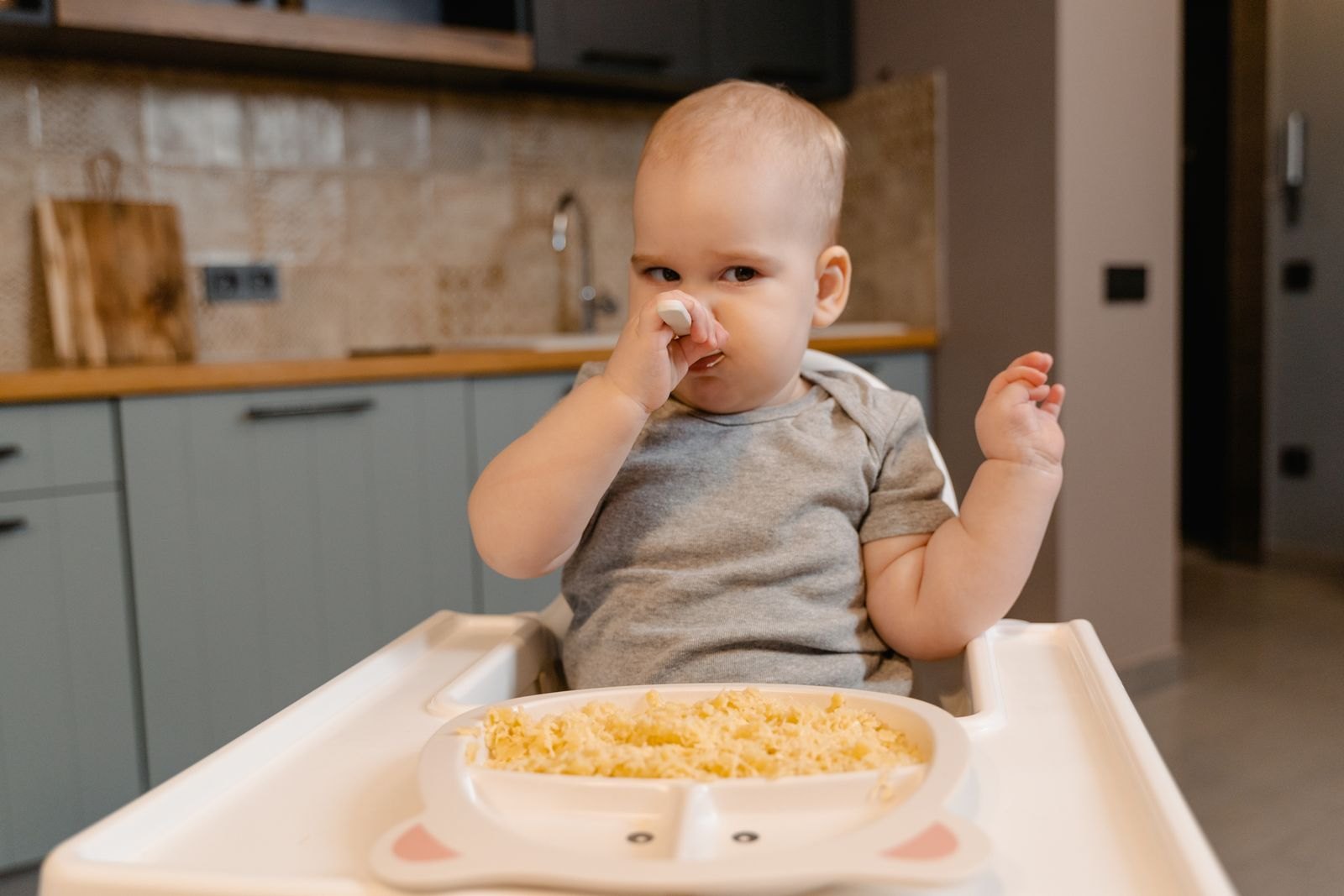
Somewhere along the way, starting solid foods turned into a two-camp debate: baby-led weaning, where babies self-feed soft, graspable pieces of food from the start, versus traditional spoon-feeding with purees, building up gradually to more texture. Parenting forums often frame it as a philosophy you commit to. The research tells a less dramatic story — and it points to something more useful than picking a side.
What parents commonly misunderstand
The biggest misconception is that this is a safety debate with a clear right answer, usually framed as "baby-led weaning is riskier for choking." A systematic review comparing baby-led weaning and traditional spoon-feeding on infant growth, choking risk, and iron status found the current evidence doesn't support either approach being significantly superior — choking incidents were comparable between groups when foods were prepared in age-appropriate, safe textures and sizes.
The second misconception is that the two approaches are mutually exclusive. In practice, a lot of families end up doing a mix — purees early on, self-feeding introduced alongside as the baby's pincer grasp and chewing ability develop, or vice versa. There's no research showing that blending the two causes any disadvantage compared to sticking rigidly to one method.

Why the research doesn't crown a winner
Iron status was one of the biggest early concerns about baby-led weaning, since infants have naturally high iron needs starting around six months and self-fed finger foods can be harder to iron-fortify than a cereal-based puree. Research on a modified version of baby-led weaning — sometimes called BLISS, for Baby-Led Introduction to SolidS, which adds specific guidance to offer an iron-rich food and an energy-dense food at every meal and avoid high-choking-risk foods — found this approach did not compromise iron status, with iron adequacy comparable to spoon-fed infants by 12 months. That result depended on the modification, though — plain baby-led weaning without deliberate attention to iron-rich foods carries more theoretical risk of falling short.
On growth, both approaches were associated with comparable, healthy weight gain in the available research. The American Academy of Pediatrics' clinical guidance on starting solids doesn't recommend one method over the other, and instead emphasizes a handful of things that matter regardless of method: responsive feeding (following the baby's hunger and fullness cues rather than a fixed amount), exposing the baby to a wide variety of foods and flavors, introducing common allergens early rather than delaying them, and avoiding added sugar and salt in the first year.
What actually helps
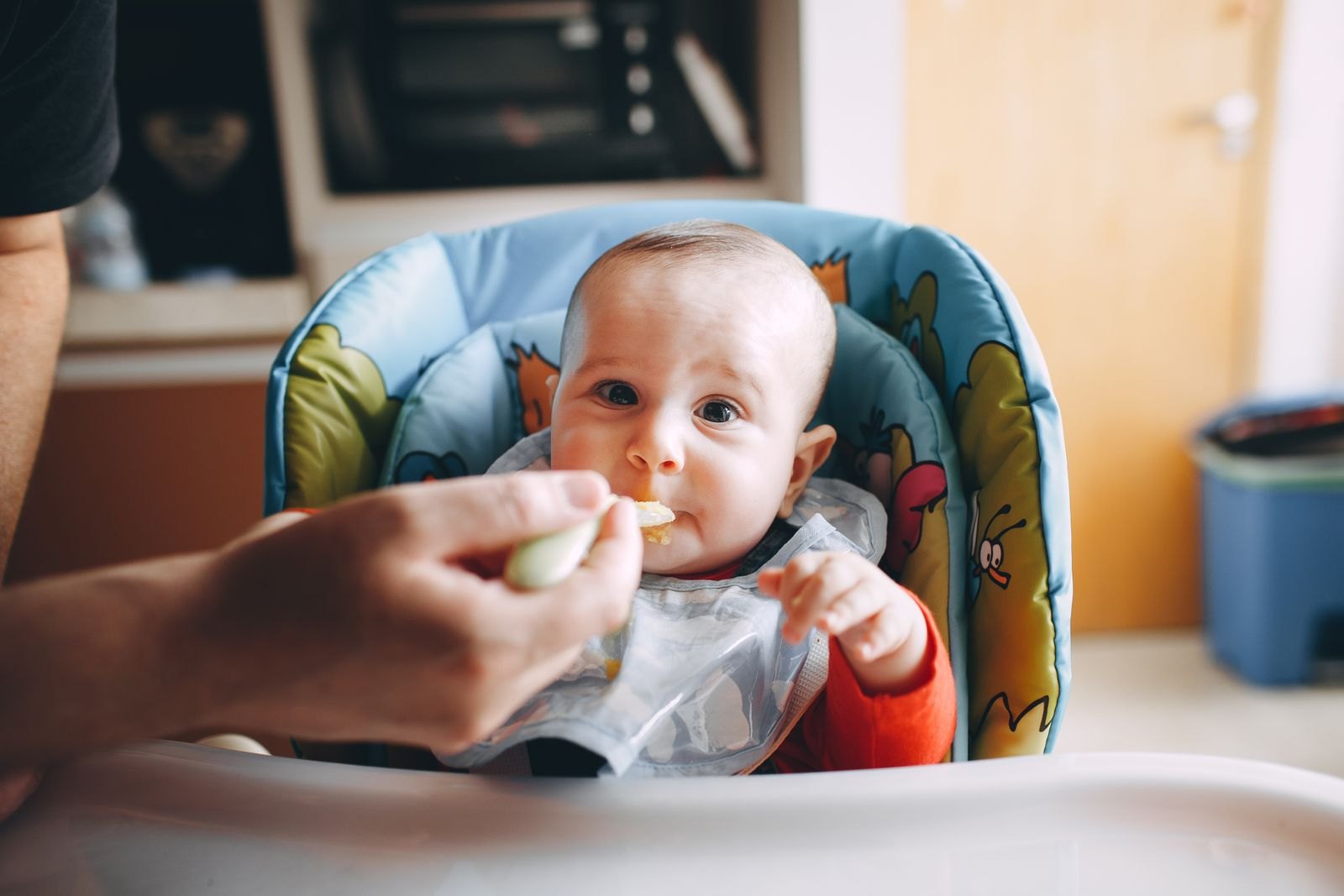
Given that the research doesn't strongly favor one approach, the more useful question is what fits your baby's development and your household — not which philosophy you're loyal to. If you go the self-feeding route, focus on the same things the BLISS research emphasized: offer an iron-rich food (like well-cooked, shreddable meat, iron-fortified infant cereal mixed into a strip-shaped food, or mashed lentils) at most meals, and stick to shapes and textures appropriate for your baby's chewing ability — soft, cooked pieces about the size and shape of an adult finger are the standard starting point, avoiding round, hard, or sticky foods that carry higher choking risk at any age.
If you go the puree route, there's no strict rule about how long to stay there — most guidance suggests progressing texture over weeks to months as your baby's oral skills develop, moving from smooth purees to mashed, then to small soft pieces, rather than staying at one texture indefinitely. Whichever approach (or mix) you use, an adjustable high chair that lets your baby sit upright with good support is worth prioritizing in the feeding-gear category, since positioning affects both safety and how well a baby can actually manage food in their mouth.
Choking prevention matters regardless of method: always supervise your baby during meals, avoid whole grapes, whole nuts, popcorn, hard raw vegetables, and thick globs of nut butter, and if you have any concerns about your baby's readiness for solids, their chewing and swallowing, or choking risk specific to their development, check with your pediatrician before starting or changing approach.
More for this stage
 4 min read1 views
Bottle Refusal in Breastfed Babies: What Actually Helps
Bottle refusal in breastfed babies usually comes down to flow speed and who's holding the bottle, not nipple confusion. Here's what actually helps.
 4 min read1 views
Cow's Milk Refusal at 12 Months: Why It Happens (and What to Do)
A baby who nursed or bottle-fed easily can flatly refuse cow's milk at 12 months. Here's why the switch trips babies up and what actually helps.
 3 min read1 views