Feeding Regression: Why Babies Suddenly Refuse Purees
Your baby ate every spoonful last month and now turns away or clamps their mouth shut. Here's why feeding regressions happen and what actually helps.
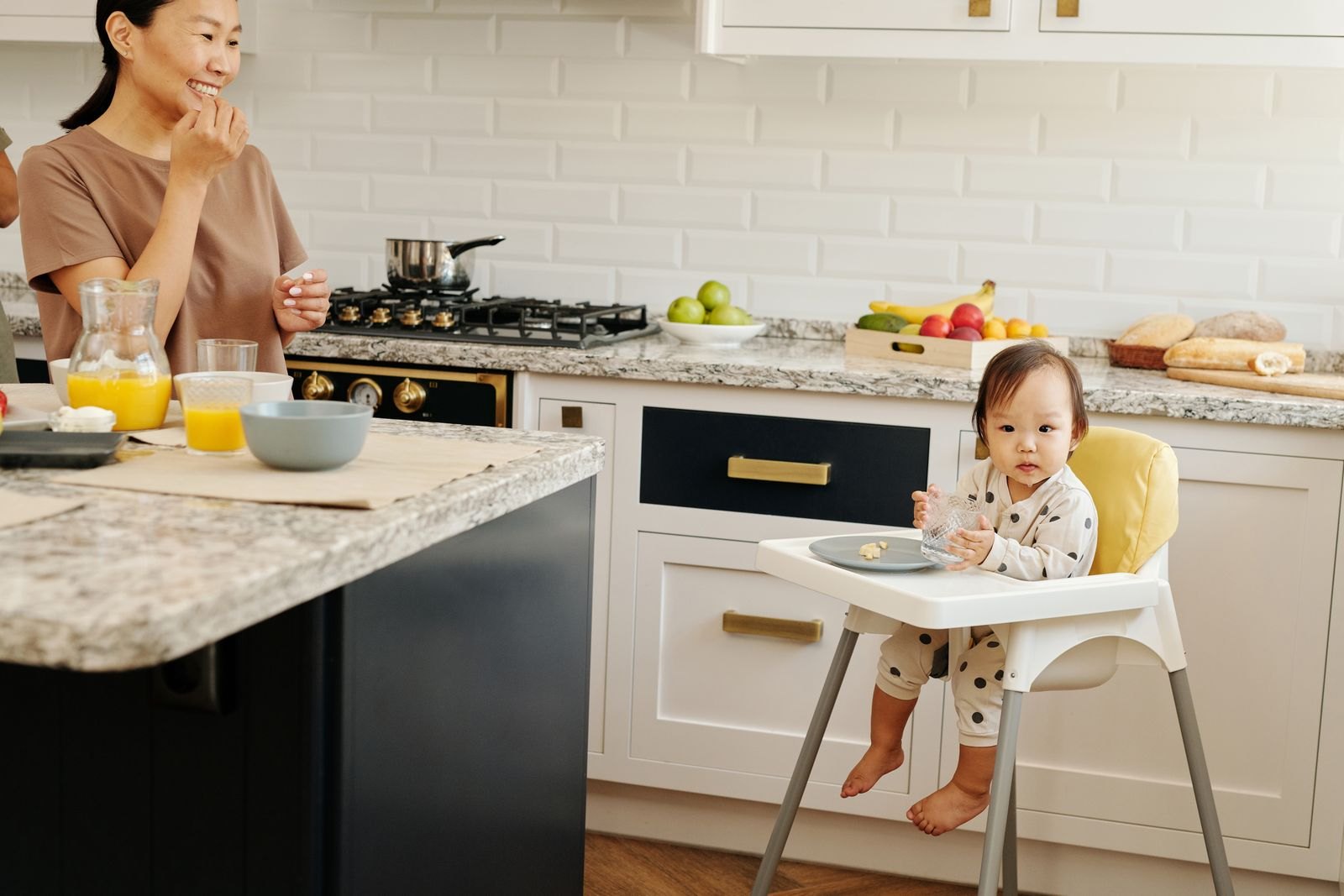
A few weeks ago your baby opened wide for every spoonful of sweet potato or banana puree. Now the same food gets a clamped mouth, a turned head, or a small hand shoved in the way of the spoon — and it can feel like something went wrong overnight. For most families, nothing did. Pediatric feeding specialists have a name for this sudden pullback: a feeding regression, and it usually has more to do with what's happening in your baby's development than with the food itself.
It's Rarely About Rejecting the Food
The instinct is to assume a regression means picky eating has arrived, or that your baby suddenly dislikes a flavor they used to enjoy. In practice, the food is rarely the actual problem. Babies who refuse purees they were eating happily a month earlier are usually responding to something bigger going on elsewhere — a new physical skill, a sore mouth, or a genuine dip in appetite that has nothing to do with taste.
Why It Happens
Several ordinary developmental shifts can show up as a sudden feeding pullback around the same time. Teething is one of the most common — a swollen gum can make the pressure of a spoon uncomfortable in a way it wasn't a week earlier. Appetite also genuinely slows down after the first birthday, since growth rate drops off sharply in the second year compared to the rapid weight gain of infancy, according to CDC growth chart data — a baby who ate more a month ago may simply need less now, not more coaxing.
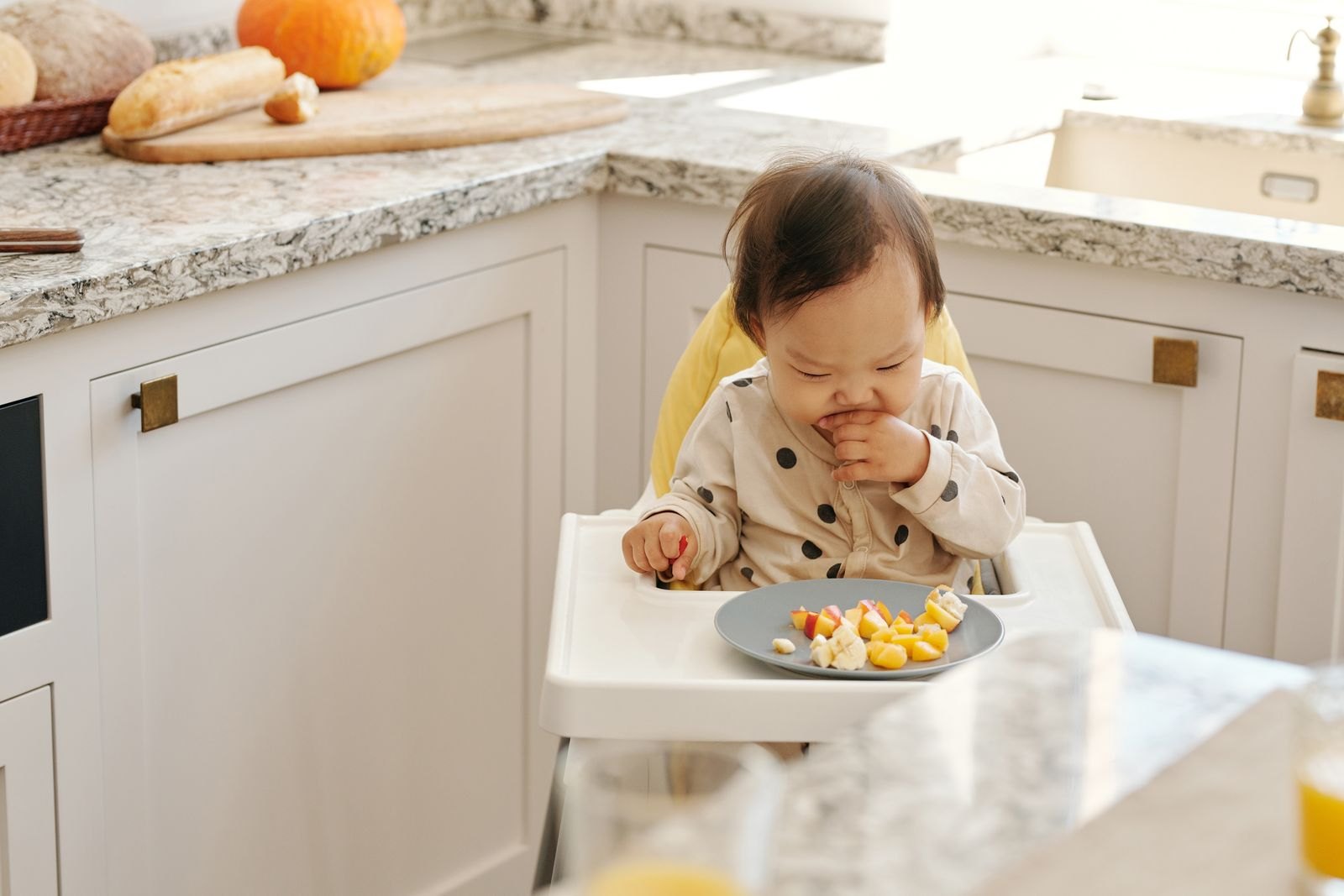
New mobility milestones play a role too. A baby who just learned to sit unsupported, pull to stand, or crawl across the room often has far less patience for sitting still in a high chair — mealtime competes with a much more interesting new skill. And a preference for picking up food over being spoon-fed smooth purees is frequently a sign of oral-motor progress, not a step backward; wanting to chew and self-feed is exactly where feeding development is supposed to head next.
What Actually Helps
- Offer, don't insist — putting the spoon down after a few refusals causes far less frustration than pushing through a clamped mouth.
- Put some of the same puree ingredients out as soft finger foods alongside the spoon-fed version, so your baby can self-feed if that's what they're reaching for.
- Keep mealtime routine and timing consistent even while intake drops — the predictability itself can ease the phase along.
- Judge whether there's an actual problem by wet diapers and energy level over a few days, not by how many ounces got eaten at one sitting.
Before assuming something's wrong or overhauling the menu, it's worth asking one question: did the refusal start around the same time as a new tooth, a new skill, or a growth spurt easing off? If the timing lines up, this is very likely a phase working its way through — not a good eater lost for good.
More for this stage
 4 min read1 views
Why Babies Spit Out New Foods: The Repeated-Exposure Research
A spit-out bite isn't rejection. Pediatric nutrition research shows babies often need 8-15 exposures before accepting a new food. Here is why.
 4 min read1 views
Cup Transition Timeline: Sippy Cups Aren't a Required Step
Sippy cups aren't a required step. Here's what oral-motor guidance actually says about straw and open cups, plus a realistic month-by-month timeline.
 4 min read1 views