Why Babies Spit Out New Foods: The Repeated-Exposure Research
A spit-out bite isn't rejection. Pediatric nutrition research shows babies often need 8-15 exposures before accepting a new food. Here is why.

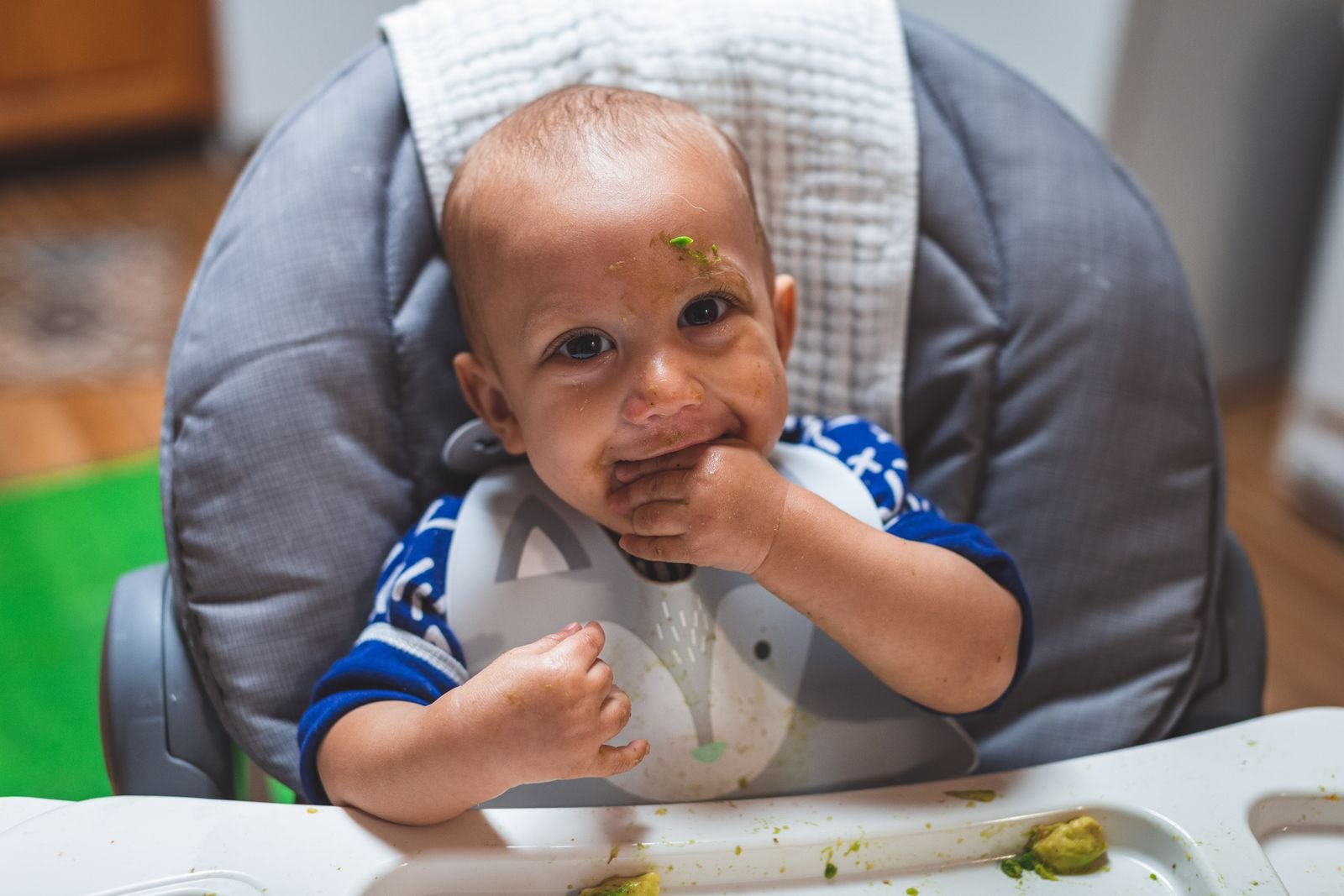
There's a particular kind of deflation that comes with watching a baby take one bite of something you spent twenty minutes steaming, mashing, or carefully portioning out — and then push it right back out with their tongue. It can feel like a personal rejection, even though it isn't one. That single grimace-and-spit moment is one of the most common feeding scenes parents run into, and it's also one of the most misread.
What Parents Commonly Get Wrong
The instinct after a food gets spit out once or twice is to file it away as a firm no and quietly stop offering it. One or two refusals gets treated as a final verdict, when for most babies it's closer to round one of a much longer process. A scrunched-up face or a pushed-out tongue reads as genuine dislike, when it's frequently just an automatic response to an unfamiliar taste or texture — not a preference that's already locked in.
It's also easy to mistake a reflex for a decision. Especially early in solids, babies have a natural tongue-thrust reflex that pushes new textures toward the front of the mouth; that motion can look exactly like deliberate spitting, even though the baby hasn't really had a chance to process what they just tasted.
Why This Happens
Pediatric nutrition research consistently points to the same pattern: it commonly takes somewhere in the range of 8 to 15 exposures before a baby or toddler reliably accepts a new food — not one taste, not three, but a repeated, unhurried series of offerings spread out over time. That range isn't a strict rule so much as a general consensus across feeding research, and individual babies can land anywhere in or even outside it.
This tracks with what's understood about early taste development. Babies carry some degree of built-in neophobia, or wariness toward new foods, which likely served a protective purpose earlier in human history when an unfamiliar taste could plausibly signal something unsafe to eat. New textures add another layer on top of that — something stringy, gritty, or lumpy in a new way can trigger a startled or defensive reaction that has nothing to do with the flavor underneath it.
What Actually Helps
Because acceptance tends to build slowly, the most useful shift is often in expectations rather than technique: plan to offer a new food multiple times before drawing any conclusion about it, spread across different meals rather than repeated back-to-back in one sitting. A food that gets spit out on a Tuesday is worth trying again later that week, not permanently retired from the rotation.
Pairing an unfamiliar food with something the baby already eats comfortably can lower the stakes of each exposure — a new vegetable next to a familiar favorite gives a baby something safe to fall back on, instead of turning the new item into the only thing on the tray. Letting the baby touch, smell, or handle the food before any bite happens also gives them a chance to get familiar with it on their own terms, which tends to reduce the startled reaction that shows up when something unexpected lands in the mouth without warning.
It also helps to keep each exposure low-pressure. A single small piece offered calmly, without commentary about whether it gets eaten, keeps mealtime from turning into a standoff — and a baby who isn't being watched and coaxed through every bite is generally more willing to actually explore what's in front of them.
FAQ
Does it matter if my baby spits out the same food every single time? Not on its own — repeated spitting is a normal part of the exposure process for many babies, especially with new textures, and doesn't necessarily mean the food will never be accepted.
Should I stop offering a food after a certain number of tries? There's no hard cutoff, but pediatric nutrition research generally frames somewhere around a dozen or so unhurried offerings as a reasonable range to work toward before rethinking the approach rather than writing off the food itself.
So the next time a spoonful comes right back out, it might be worth asking yourself one question instead of writing the food off for good: have you actually offered it more than a handful of times, spaced out over real time, or does it just feel that way after one rough afternoon?
More for this stage
 4 min read1 views
Cup Transition Timeline: Sippy Cups Aren't a Required Step
Sippy cups aren't a required step. Here's what oral-motor guidance actually says about straw and open cups, plus a realistic month-by-month timeline.
 4 min read1 views
Gagging vs. Choking in Baby-Led Weaning: How to Tell
Gagging is a normal, protective reflex during baby-led weaning, and it looks different from choking. Here's how to tell them apart.
 4 min read1 views