Food Jags: Why Toddlers Get Stuck on One Food
Food jags—when a toddler eats only one meal for days—are common and usually pass on their own. Here's why they happen and what actually helps.
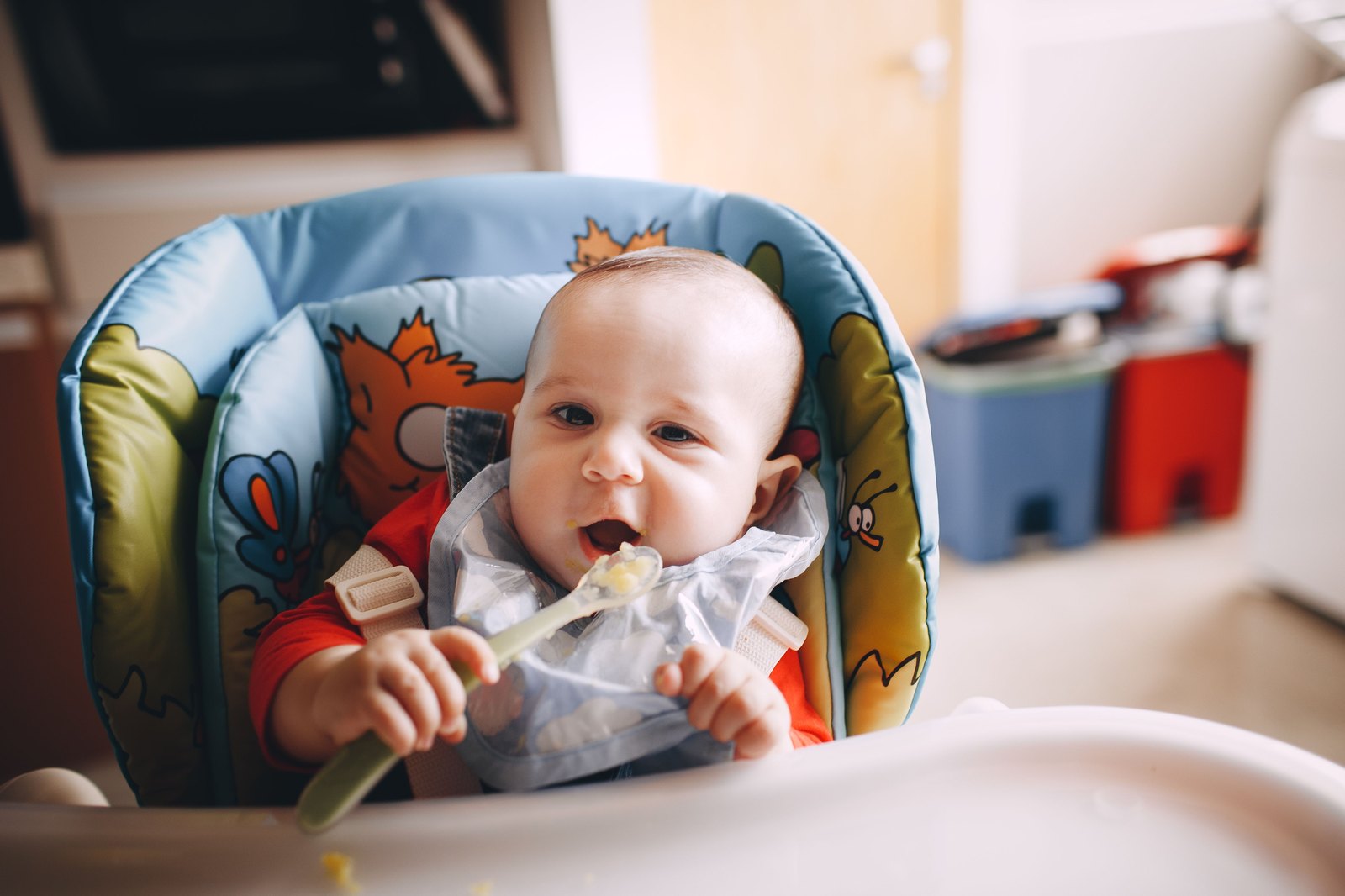
Four nights of the same pasta shape, the same three bites of banana, the same cracker broken into the same six pieces — if your toddler has locked onto one food and pushes almost everything else off the plate, the exhaustion you're feeling right now is completely normal. It has a name: a food jag, and it's one of the most common feeding phases toddlers go through.
What Counts as a Food Jag (and What Doesn't)
A food jag is when a toddler wants the exact same food, prepared the exact same way, at most or all meals — sometimes for a few days, sometimes for a couple of weeks. It's different from general picky eating, which tends to be a broader, longer-running pattern of refusing many foods. A food jag is narrower and usually temporary: your child isn't rejecting food overall, they're fixating on one specific item.
It's also the mirror image of a pattern many parents already know — a toddler refusing to even try something new. A food jag is the opposite problem: instead of rejecting the unfamiliar, your child is over-relying on the familiar. Both come from the same place developmentally, just pointing in different directions.
Why Toddlers Latch Onto One Food
Toddlerhood is when children start asserting control over small parts of their world, and mealtimes are one of the few places where that control is fully theirs — no one else can make them swallow. Sticking with a known, predictable food also removes the sensory uncertainty that comes with something new: familiar taste, familiar texture, familiar smell, no surprises. For a toddler whose nervous system is still calibrating to a wide range of tastes and textures, that predictability can feel genuinely reassuring, not just stubborn.
Food jags most often last anywhere from a few days to about two weeks before a toddler moves on naturally. If one stretches on for several weeks, or starts to crowd out foods your child used to eat without a fight, that's a reasonable point to take it more seriously rather than assuming it will resolve on its own.
What Actually Helps (and What Doesn't)
Many pediatric feeding specialists point to an approach called the division of responsibility: the parent decides what food is offered, when, and where, while the child decides whether to eat it and how much. Removing the "jag" food to force variety tends to backfire, turning mealtime into a power struggle that can make the fixation worse, not better.
- Keep offering the jag food alongside a small rotation of other familiar items — you're not trying to eliminate it, just keep the table from narrowing to one option.
- Stick to a predictable meal and snack schedule, with water only in between, so mealtime hunger actually shows up.
- Resist becoming a short-order cook. Constantly making a separate on-demand meal reinforces that refusing is what gets a preferred food faster.
- Skip hiding vegetables inside the jag food. It can feel like a shortcut, but it teaches a toddler that food isn't what it appears to be, which tends to erode trust rather than build variety.
- Keep eating a range of foods yourself, visibly and without commentary — toddlers copy what's modeled far more than what's requested.
When to Loop In a Pediatrician
Most food jags are a passing developmental stage, not a nutrition emergency — a few days or even a couple of weeks of the same meal rarely does lasting harm to an otherwise healthy toddler. It's worth checking in with your pediatrician if the fixation goes on for a month or longer, if your child is dropping foods from their diet rather than just adding one, if weight gain or growth seems to be stalling, or if mealtime distress looks more like gagging or extreme sensory aversion than ordinary preference. A pediatrician can track growth against your child's own curve and refer you to a pediatric feeding specialist if the pattern needs more structured support.
FAQ
Should I give my toddler a multivitamin during a food jag? Talk to your pediatrician before adding one — for most short-term jags it isn't necessary, but your doctor can advise based on your child's actual diet and growth.
Is it my fault if my toddler is on a food jag? No — this is a near-universal developmental phase, not a sign of a parenting mistake or a food you introduced wrong.
So before you reheat the same pasta for the fifth night in a row, ask yourself one question: has this been going on for days, or has it quietly stretched into weeks? That answer is really what tells you whether to keep riding it out or make a call.
More for this stage
 3 min read1 views
Baby-Led Weaning vs. Purees: It Isn't an Either-Or Decision
Baby-led weaning and purees get pitched as competing philosophies, but research finds no clear winner on choking, growth, or iron. Here's how to choose.
 4 min read1 views
Bottle Refusal in Breastfed Babies: What Actually Helps
Bottle refusal in breastfed babies usually comes down to flow speed and who's holding the bottle, not nipple confusion. Here's what actually helps.
 4 min read1 views