Cow's Milk Refusal at 12 Months: Why It Happens (and What to Do)
A baby who nursed or bottle-fed easily can flatly refuse cow's milk at 12 months. Here's why the switch trips babies up and what actually helps.
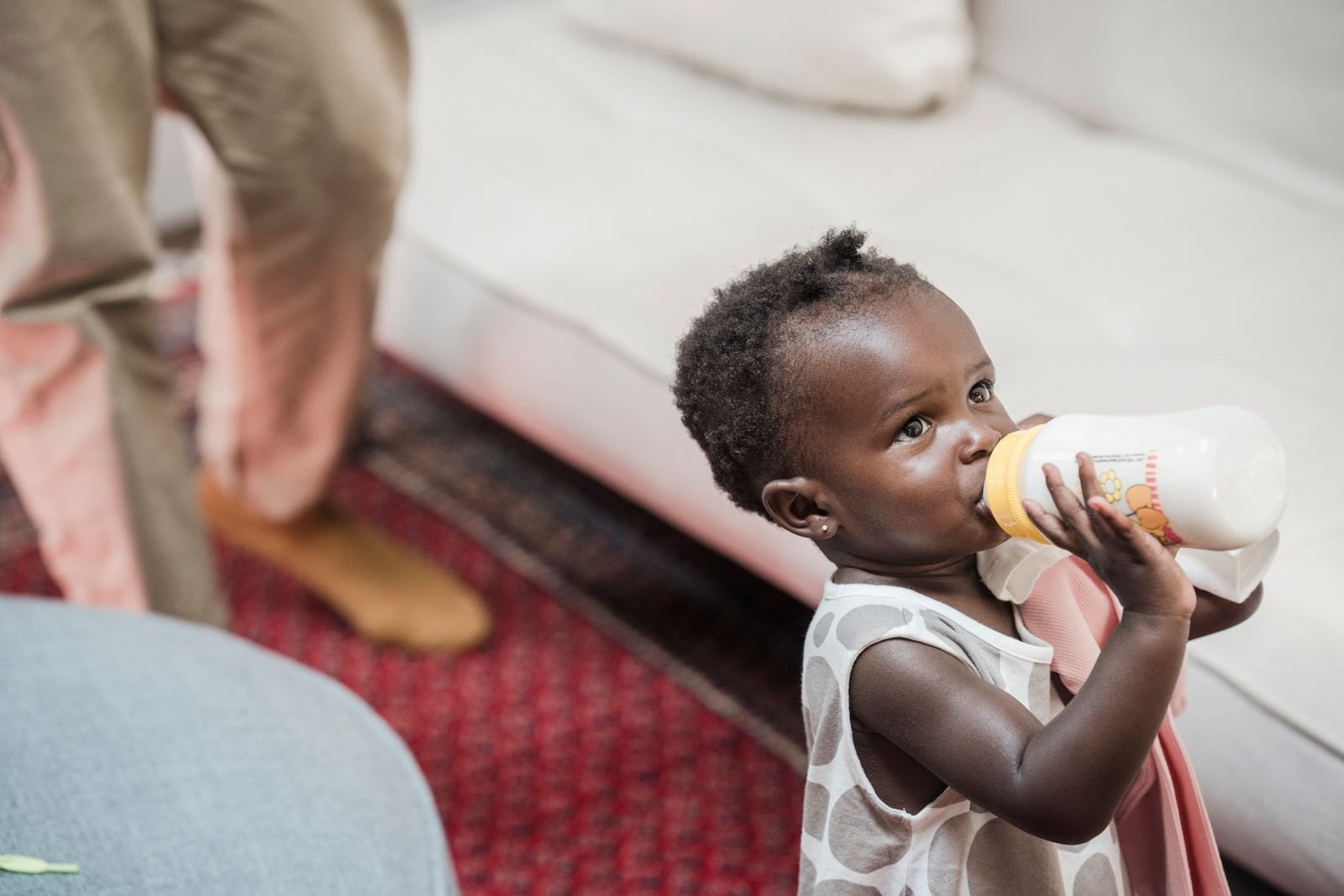
Around the first birthday, the American Academy of Pediatrics' guidance shifts from formula or breastmilk to whole cow's milk — and a baby who's been an easy, consistent eater can suddenly refuse it outright, turning their head or spitting it back out. Parents often read this as a sign something's wrong. Most of the time it isn't; it's a predictable mismatch between what the baby is used to and what's now in the cup.
What parents commonly get wrong
The most common misread is treating cow's milk as nutritionally mandatory — as if refusing it puts a toddler's diet at risk. It doesn't have to. Milk is one convenient source of calcium, protein, and fat at this age, not the only one; cheese, yogurt, and tofu cover the same nutrients for a toddler who simply won't drink it.
The second misconception is assuming refusal means something is off with the baby's palate or health. In most cases it's a straightforward sensory mismatch, not a red flag — the fixes below target the mismatch directly rather than the baby.
Why it happens
Cow's milk simply tastes and feels different from what a baby has been drinking. Breastmilk's flavor shifts with the parent's diet and formula is engineered for a consistent, often sweeter taste; plain whole milk lands as a noticeably different, blander flavor by comparison. Temperature adds to the jolt — a baby used to a warmed bottle can find milk straight from the fridge unpleasantly cold.
Timing compounds the problem for a lot of families: the switch to cow's milk often lands at the same time as a switch from bottle to cup, so a baby is adjusting to a new taste and a new delivery method at once. Two changes at the same time make it harder to tell which one is causing the pushback, and harder for the baby to adjust to either.
Per HealthyChildren.org, the AAP's parent-facing site, the recommendation is whole milk from 12 to 24 months, with a daily target around 16 ounces and an upper limit of roughly 24 ounces — not because more milk is harmful in a small amount, but because too much can crowd out the iron-rich solid foods a toddler needs at this stage. That's a target to work toward gradually, not a quota to force in one sitting.
What actually helps
- Mix gradually instead of switching all at once. Start with mostly formula or breastmilk and a small splash of whole milk, and shift the ratio a little more toward milk every few days — roughly a week or two to get to fully whole milk gives the taste time to feel familiar rather than jarring.
- Change one variable at a time. If your baby is also moving from bottle to cup, keep the milk change and the cup change on separate timelines rather than introducing both at once.
- Warm it slightly. Milk closer to body temperature, rather than straight from the fridge, feels more familiar to a baby used to a warmed bottle.
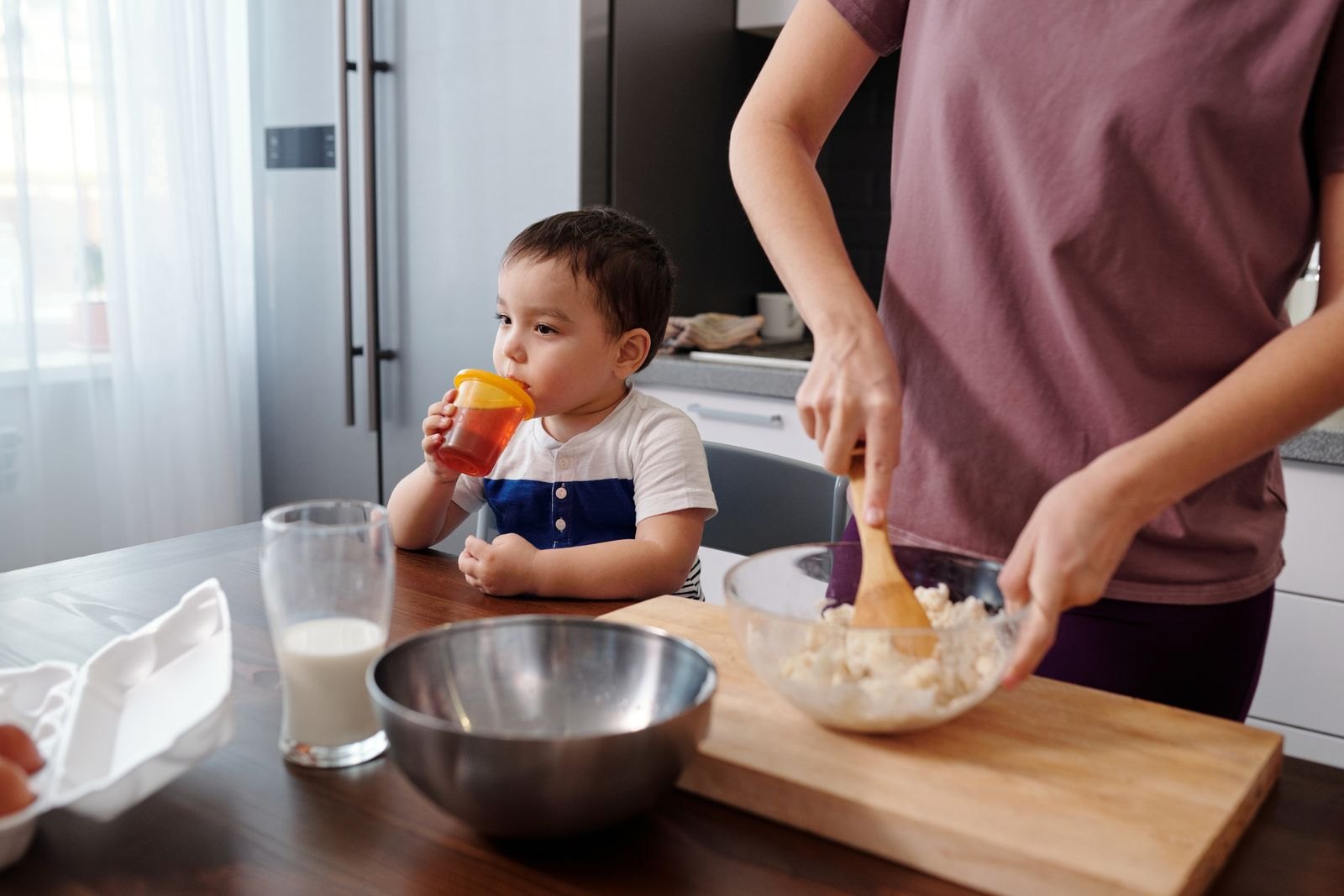
- Serve it in a familiar cup and setting. Offering milk in the same cup your baby already drinks water from, at the same spot at the table, removes one more unfamiliar variable.
- Don't chase the daily ounce target in one sitting. What a toddler drinks across a few days matters more than hitting 16 ounces every single day — a stressful, forced individual serving usually backfires more than it helps.
If your toddler keeps refusing milk entirely even after a gradual transition, that's not an emergency on its own — a diet with enough cheese, yogurt, and other protein and fat sources can cover the same nutritional ground. Check with your pediatrician if refusal comes with signs of digestive upset, a rash, or if you're unsure your toddler's overall diet is covering their nutritional needs.
FAQ
Is it okay if my toddler never likes plain milk? Yes — as long as calcium, protein, and fat are coming from other foods like cheese, yogurt, or fortified alternatives, plain milk isn't a requirement.
How much milk does a toddler actually need per day? HealthyChildren.org points to roughly 16 ounces (about 2 cups) a day for 12- to 24-month-olds, with 24 ounces as a practical upper limit so milk doesn't crowd out iron-rich foods.
More for this stage
 3 min read1 views
Feeding Regression: Why Babies Suddenly Refuse Purees
Your baby ate every spoonful last month and now turns away or clamps their mouth shut. Here's why feeding regressions happen and what actually helps.
 4 min read1 views
Why Babies Spit Out New Foods: The Repeated-Exposure Research
A spit-out bite isn't rejection. Pediatric nutrition research shows babies often need 8-15 exposures before accepting a new food. Here is why.
 4 min read1 views