Early Peanut Introduction: Why the Allergy Advice Changed
Pediatric guidance on peanut allergy prevention flipped in 2017. Here's why early, regular introduction is now recommended and how to do it safely at home.

If you were told to hold off on peanuts until your baby's first birthday — or later, if there's a family history of allergies — that advice used to be standard. It isn't anymore, and the reversal is one of the more striking changes in pediatric guidance in the past decade. Understanding why the recommendation flipped matters, because getting the timing right is now considered a meaningful part of allergy prevention rather than a neutral, wait-and-see choice.
What parents commonly misunderstand
The most common misunderstanding is thinking delay is the cautious option. For years, the guidance was to avoid peanut products in infancy, especially for babies considered higher-risk, on the theory that an immature immune system was more likely to react badly to early exposure. That approach was reversed after research suggested the opposite may often be true: for many infants, delaying introduction was associated with a higher chance of developing a peanut allergy, not a lower one.
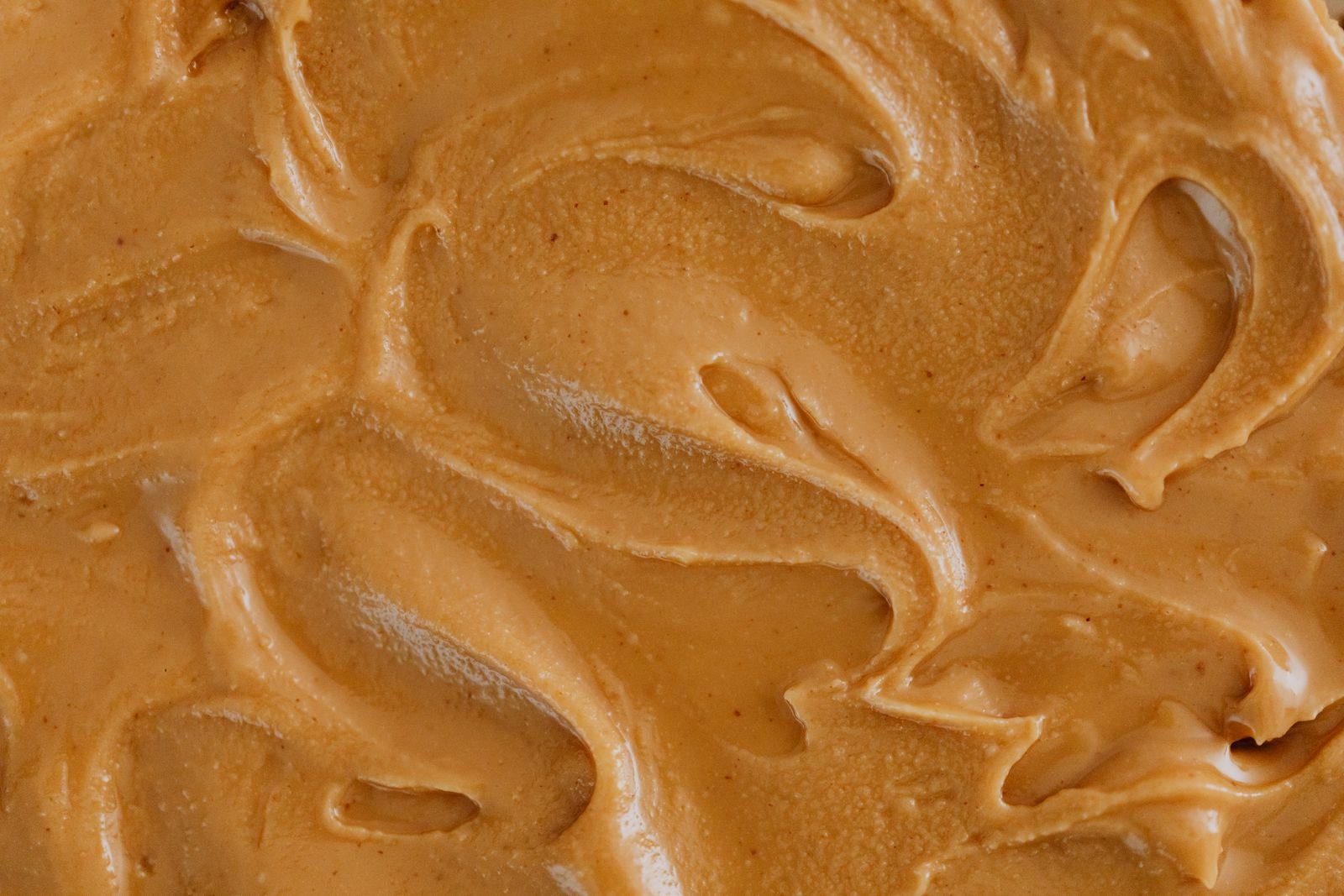
Another common mix-up is confusing "early introduction" with giving a baby whole peanuts or a spoonful of peanut butter straight from the jar. Whole peanuts and thick, sticky peanut butter are choking hazards for infants and young children regardless of allergy considerations — early introduction always means an infant-safe, thinned-out preparation, never whole nuts.
Why the timing actually matters
The shift traces back to a landmark clinical trial that assigned infants at high risk of peanut allergy (because of severe eczema or an existing egg allergy) to either regularly eat peanut-containing food starting in infancy, or to avoid peanut entirely, and then tracked which group developed a peanut allergy by age five. The infants who ate peanut protein regularly from infancy had a large relative reduction in peanut allergy compared to those who avoided it — a difference striking enough that the National Institute of Allergy and Infectious Diseases issued new formal guidelines in 2017 built around introducing peanut early rather than delaying it.
The proposed mechanism is about how and where the immune system first encounters a food protein. One line of research suggests that when an infant's skin — especially skin affected by eczema, which has a compromised barrier — is exposed to food proteins from the environment (crumbs, residue on surfaces) before that food is ever eaten, the immune system may be more likely to treat it as a threat. Eating the food early and regularly, on the other hand, appears to help the immune system build tolerance through the gut instead. That's the working theory for why early, repeated dietary exposure looks protective rather than risky.
What actually helps
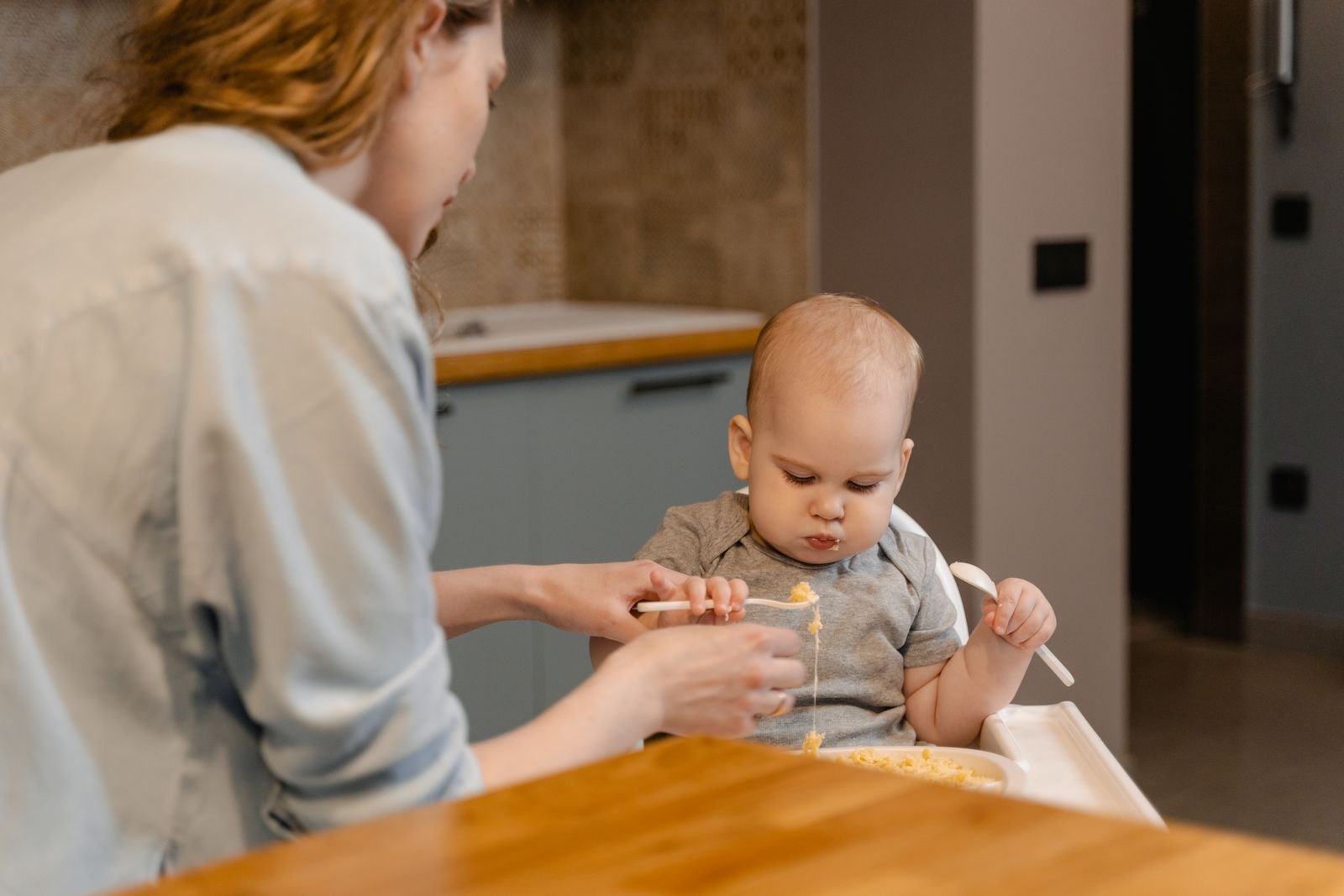
Current guidelines describe introducing infant-safe forms of peanut as early as 4 to 6 months, around the same time other solid foods are introduced — not before a baby is developmentally ready for solids, and not as the very first food. After an infant-safe form has been introduced without a reaction, guidance points toward keeping it in the regular rotation of foods rather than a one-time taste, since sustained exposure is part of what the research measured.
In practice, this usually means shopping within categories like infant-safe peanut butter puffs or pre-portioned peanut powder packets made for mixing into purees or cereal, or thinning regular smooth peanut butter with warm water or breast milk/formula until it's a texture a baby can safely swallow. The same general logic — early, safe-textured, regular exposure rather than avoidance — is increasingly applied to other common allergens like egg, dairy, tree nuts, and sesame, though the strongest trial evidence specifically covers peanut.
Because every baby's medical history is different — especially babies with existing eczema, a diagnosed food allergy, or a sibling with a severe allergy — this is exactly the kind of topic where a blanket article can't replace individual guidance. Confirm with your pediatrician or an allergist before introducing peanut or other allergens, especially if your baby has moderate-to-severe eczema or another known food allergy; some higher-risk infants are guided toward allergy testing before their first taste, which isn't something a general guide can determine for your child.
FAQ
What if my baby has a reaction the first time? Stop the food immediately. For severe signs — difficulty breathing, swelling of the face or lips, or repeated vomiting — call 911 or go to the nearest emergency room right away; these can be signs of anaphylaxis, which needs emergency treatment, not a call to the pediatrician's office. For milder signs like a few hives or mild rash with no breathing trouble, contact your pediatrician promptly for next steps. For babies with known risk factors like moderate-to-severe eczema, ask your pediatrician in advance about introducing the first taste under medical supervision.
Does this apply to all allergens, not just peanut? The strongest evidence is specific to peanut, but ask your pediatrician about the current recommended approach and timing for other common allergens for your child individually.
More for this stage
 4 min read1 views
Car Seat Installation Mistakes: Why Most Fail a Safety Check
Certified inspectors find an error in most car seats they check. Here's why rear-facing timing, chest clip height, and harness fit trip up careful parents.
 4 min read1 views
3 Safe Sleep Habits That Actually Lower SIDS Risk
Cute crib bedding sets are everywhere, but the AAP's safe sleep guidance says the crib should be bare. Here's what actually reduces sleep-related infant risk.
 3 min read1 views