3 Safe Sleep Habits That Actually Lower SIDS Risk
Cute crib bedding sets are everywhere, but the AAP's safe sleep guidance says the crib should be bare. Here's what actually reduces sleep-related infant risk.
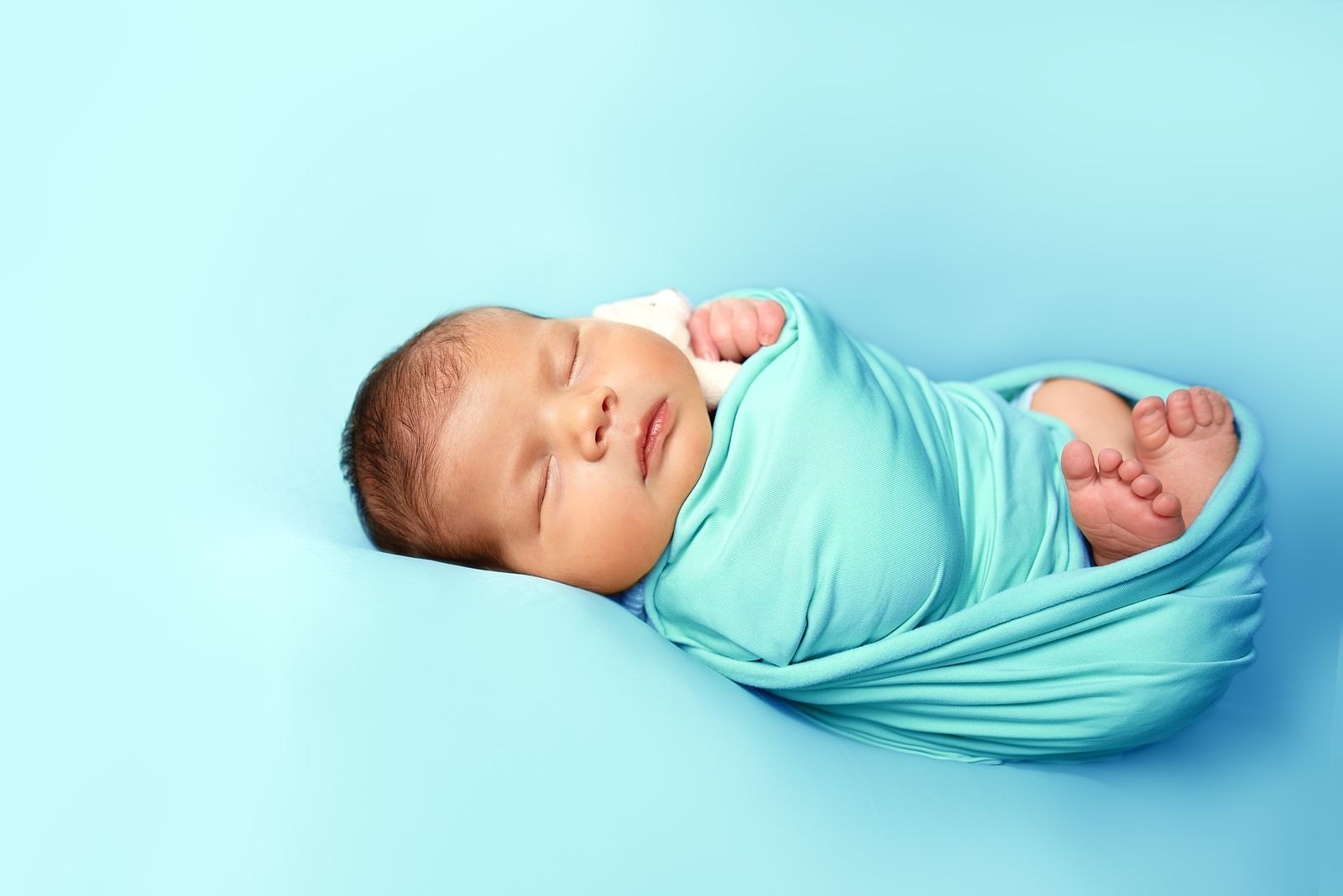
Baby registries are full of matching crib bedding sets, bumper pads, and plush loveys arranged like a magazine photo — and almost none of it belongs in the crib during actual sleep. The American Academy of Pediatrics' safe sleep guidance is built around a small number of specific, well-studied habits, and the gap between what's marketed for nurseries and what pediatricians actually recommend is one of the most common places new parents get misled.
What parents commonly get wrong
The most common misunderstanding is assuming a soft, padded sleep space is a cozier and therefore safer one. Bumper pads, pillows, blankets, and stuffed animals in a crib are marketed as nursery essentials, but they're also associated with increased suffocation and entrapment risk for infants under 12 months, whose neck strength and rolling ability aren't developed enough to move their face away from soft material. A second common mistake is bed-sharing — bringing the baby into the parents' bed for part or all of the night, often for convenience during night feeds. It feels intuitive, but it's one of the clearest risk factors identified in sleep-related infant death research.
A third, quieter mistake is inconsistency: being strict about back-sleeping for nighttime sleep but letting the baby fall asleep face-down during unsupervised tummy time on a play mat, or being strict about safe sleep at home but relaxed at grandma's house or on vacation. Risk reduction depends on the habit being consistent every sleep, not just the ones that feel highest-stakes.
Why these specific habits matter
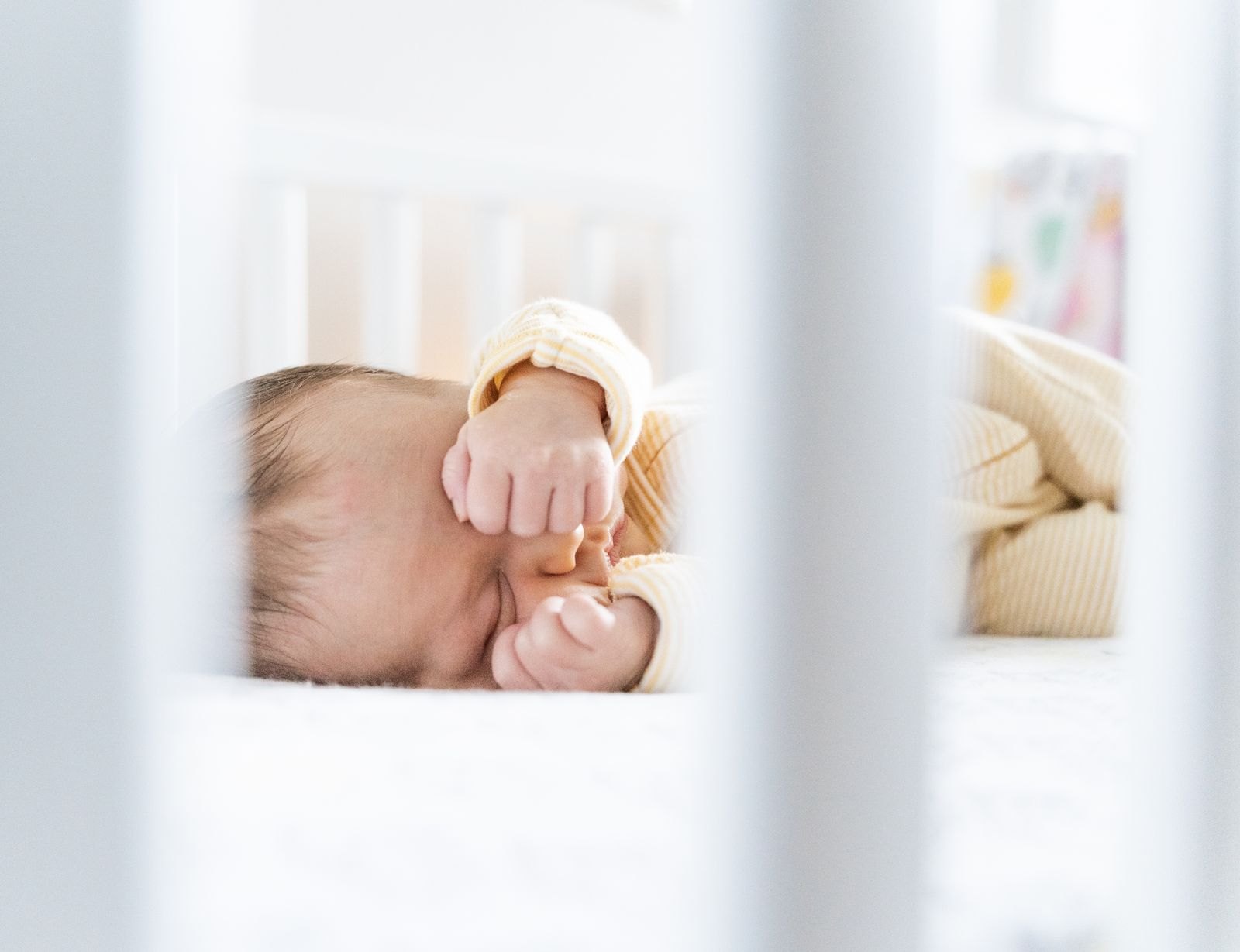
Each of the AAP's core recommendations targets a distinct, studied risk factor rather than being a generic caution. Back sleeping, for every sleep for the first year, is associated with a substantially lower rate of sleep-related infant death than side or stomach sleeping — infants on their stomachs have a harder time clearing carbon dioxide they exhale if their face presses into a soft surface, and are slower to arouse from sleep, which matters because arousal is part of how infants respond to breathing difficulty. A firm, flat sleep surface with nothing else on it — no bumpers, blankets, pillows, or positioners — removes the soft material that could obstruct an airway, and a fitted sheet on a firm mattress that meets current safety standards is the only bedding the AAP recommends using.
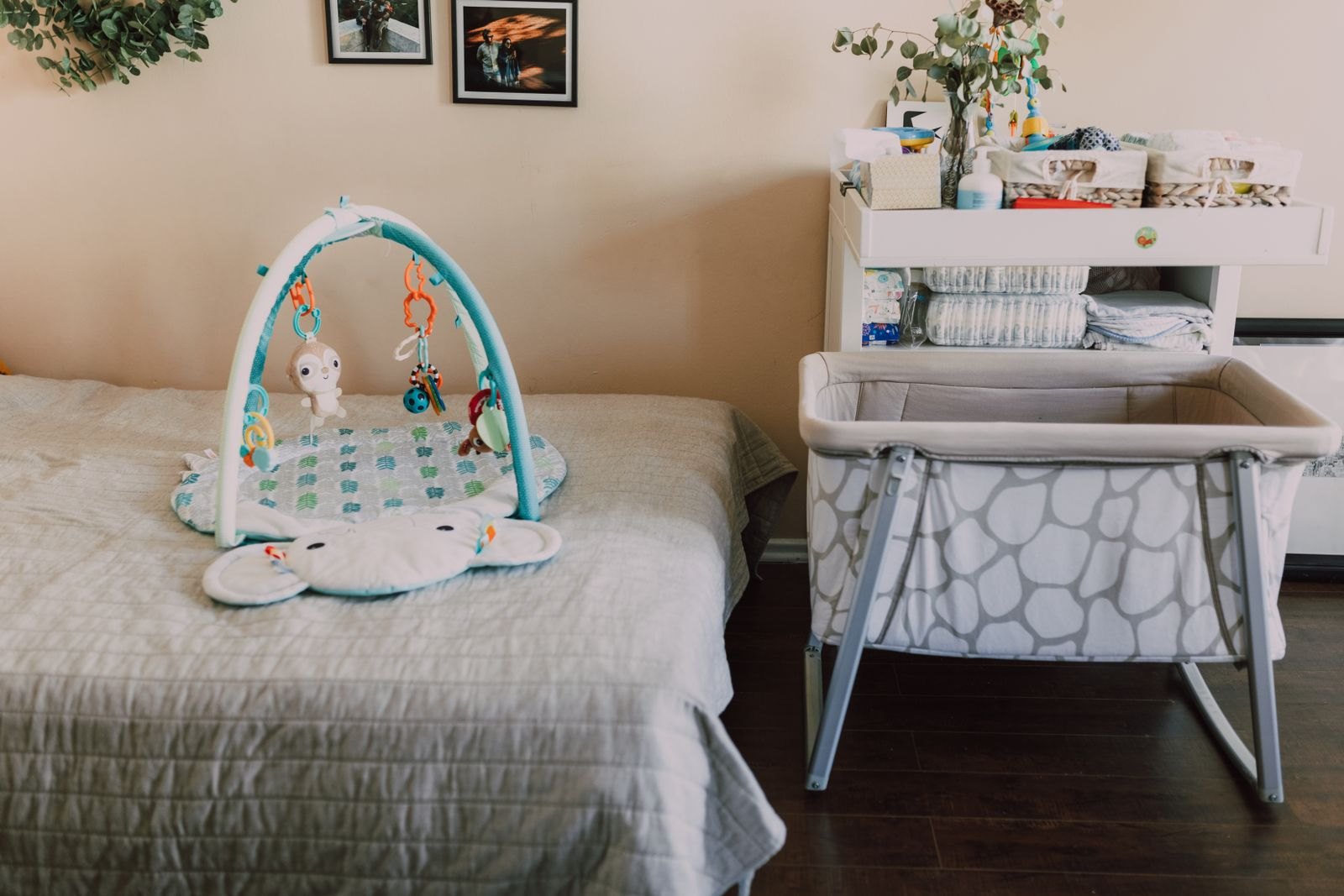
Room-sharing without bed-sharing — keeping the baby's crib or bassinet in the parents' room, close to the bed, but on its own separate sleep surface — is associated with a meaningfully lower rate of sleep-related death compared to either bed-sharing or having the baby sleep in a separate room. The AAP recommends this setup for at least the first six months, and ideally through the first year, because it keeps the baby within easy reach for feeding and monitoring without introducing the risks that come with sharing an adult mattress, pillows, and blankets.
What actually helps
Start with the sleep space itself: a crib, bassinet, or portable play yard that meets current federal safety standards, set up bare — fitted sheet only. Skip the bumper pads, the crib-shaped stuffed animals, and the "breathable" mesh liners marketed as safer alternatives to traditional bumpers; the AAP doesn't recommend any of these for sleep. If you're looking for something to buy, a well-fitted infant sleep sack (a wearable blanket) is the category the AAP points to for warmth without loose bedding in the crib.
For room-sharing, a bassinet or crib that sits directly beside the bed makes middle-of-the-night feeds easier without needing to bring the baby into the adult bed — a bedside-sleeper category product can help here, since many are designed to sit flush against the parents' mattress while keeping the baby on their own firm, separate surface. And because consistency is part of what makes these habits effective, it helps to set the same expectations with any other caregiver — grandparents, babysitters, daycare — rather than assuming safe sleep habits will just carry over.
Every sleep-related recommendation here reflects general safety guidance, not an assessment of your individual baby. If your baby has a specific medical condition, was born preterm, or you have any questions about how these guidelines apply to your child, confirm with your pediatrician before making changes to their sleep setup.
FAQ
What if my baby rolls onto their stomach during sleep? Once a baby can roll both ways on their own, the AAP says it's fine to leave them in the position they land in — the key is still placing them on their back to start each sleep. Ask your pediatrician if you're unsure whether your baby has reached this stage.
Are sleep positioners or wedges safe? The AAP does not recommend sleep positioners, wedges, or anti-roll products for infant sleep — check with your pediatrician before using any product marketed to keep a baby in a specific sleep position.
More for this stage
 4 min read0 views
Early Peanut Introduction: Why the Allergy Advice Changed
Pediatric guidance on peanut allergy prevention flipped in 2017. Here's why early, regular introduction is now recommended and how to do it safely at home.
 4 min read1 views
Car Seat Installation Mistakes: Why Most Fail a Safety Check
Certified inspectors find an error in most car seats they check. Here's why rear-facing timing, chest clip height, and harness fit trip up careful parents.
 3 min read1 views