The 'Fly Free Under 2' Myth About Car Seats
Flying with a lap infant is free and simple, but it isn't the safest option. Here's what the FAA actually recommends, and what happens to your gear at the gate.
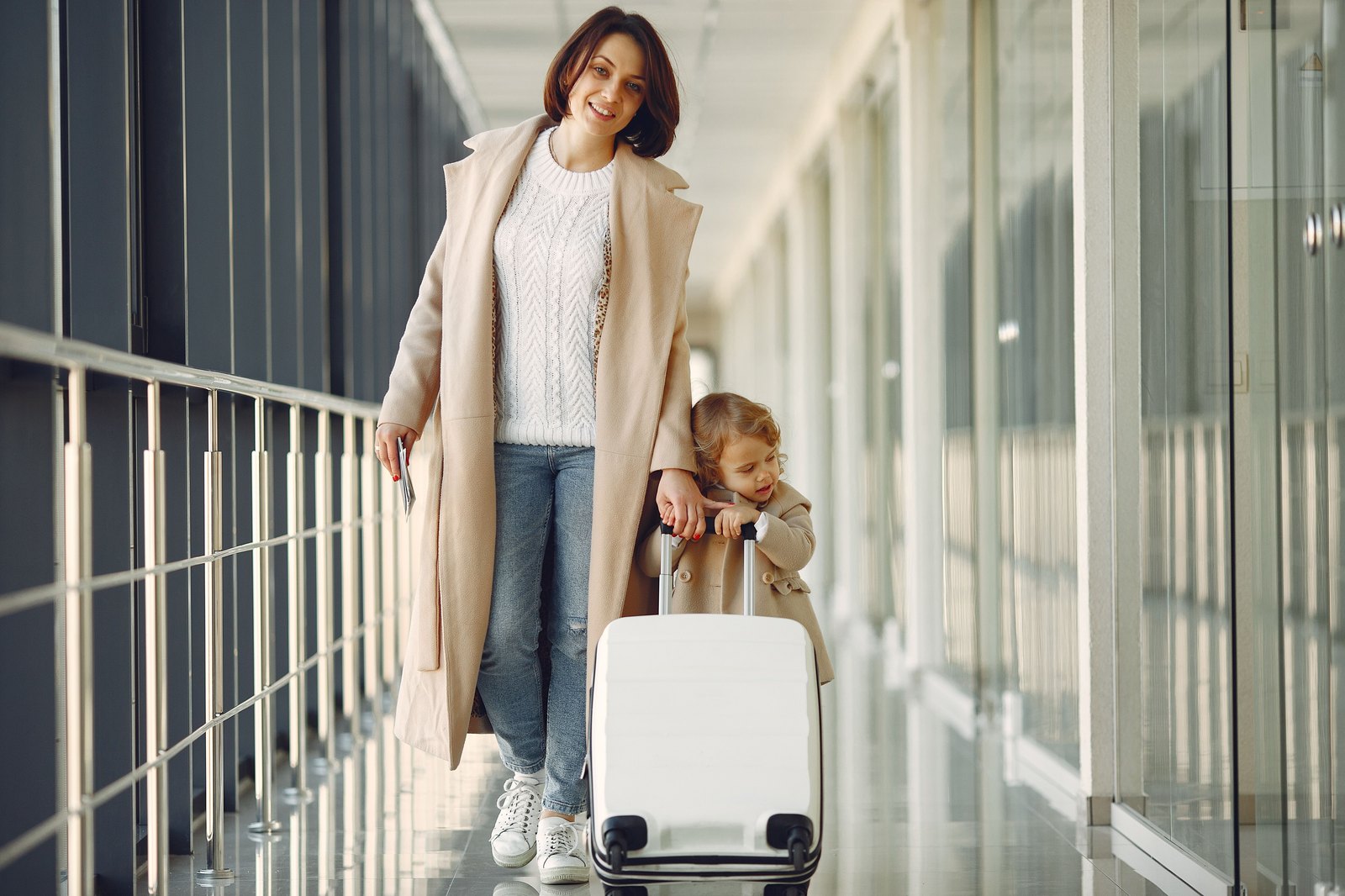
Forty. That's the number worth knowing before you book your next flight with a baby: the FAA recommends that every child from birth up to 40 pounds ride in an approved child restraint system on the plane — not starting at age two, starting at birth. It's easy to miss, because airlines also let children under two fly as "lap infants" for free, and that free option quietly gets treated as the default.
The Myth: "Free Under 2" Means Simplest and Safest
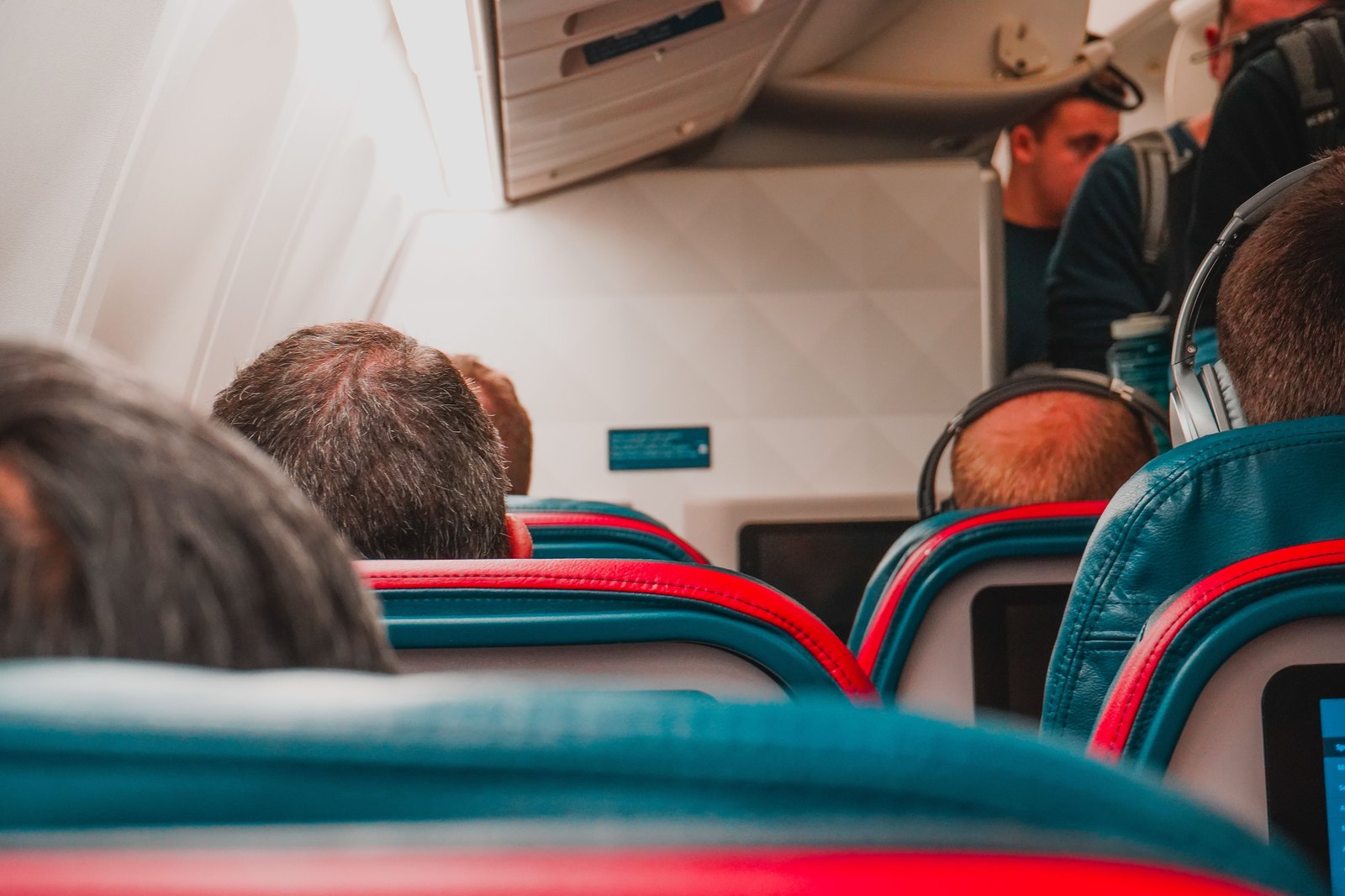
Airlines allowing a child under two to fly on a parent's lap at no extra cost is a real, widely used policy, and for many families it's the only realistic option on a tight budget. But the FAA is explicit that this isn't the safer choice — the agency states that the safest place for a child under two is in an approved car seat in their own seat, not on a lap, and it strongly discourages lap travel even though it's permitted. Turbulence is the core reason: it can happen without warning, and a lap-held child has nothing keeping them in place if it does.
What "FAA-Approved" Actually Means
Not every car seat can go on a plane. A seat approved for aircraft use carries a label stating it's certified for use in motor vehicles and aircraft — check for that label before you haul a seat through security. If you'd rather not bring your bulky convertible seat, the CARES harness is the only FAA-approved harness-style alternative: it's approved for children roughly 22 to 44 pounds and up to 40 inches tall, works with the plane's existing seatbelt, and packs into a bag the size of a paperback. One thing it can't replace: booster seats aren't FAA-approved for flights at all, because most aircraft rows only have a lap belt, not the lap-and-shoulder combination a backless booster needs. A child who normally uses a booster simply uses the aircraft's own lap belt directly once they're around 40 pounds or more.
What Happens to Your Stroller
You almost never need to check a stroller at the ticket counter. Most airlines let you wheel it all the way to the aircraft door and gate-check it for free, tagging it right before you board — it comes back to you at the jet bridge on arrival (or occasionally at baggage claim on some routes, so it's worth asking your gate agent which to expect). Car seats can be gate-checked the same way if you're not using them on board, though a hard-shell travel bag is worth it if yours doesn't have a built-in cover, since gate-checked gear does get handled roughly.
What Actually Helps at the Airport
- Buying your under-2 child their own seat is the only way to guarantee you can use a car seat or CARES harness — without a ticket for them, there's no guaranteed seat to strap it into if the flight is full.
- Confirm your specific car seat has the aircraft-certification label before travel day, not at the gate.
- Ask your airline directly about its own stroller and car-seat gate-check policy — it varies by carrier even though the general FAA guidance doesn't.
- Pack the CARES harness or a lightweight umbrella stroller as a backup even if you plan to use a full-size stroller or convertible seat, in case gear gets delayed.
FAQ
Is it actually against the rules to hold my baby on my lap? No — it's permitted for children under two and it's what many families do. The FAA simply doesn't consider it the safest option and recommends against it when a seat is available.
Do I need to bring the car seat's aircraft label paperwork? No paperwork is required, but the manufacturer's label needs to be visible on the seat itself, since that's what a flight attendant will check.
If any of this makes the idea of flying with a baby feel more complicated rather than less, that's a completely normal reaction — most of what makes air travel with an infant stressful is logistics, not danger, and the vast majority of flights with lap infants land the same as any other flight. Buying the extra seat when your budget allows it simply removes one more variable to manage on travel day.
More for this stage
 4 min read1 views
Stroller Buying Guide: 4 Things to Actually Check First
Stroller shopping usually starts with the specs sheet, but fold size, terrain, and how you actually move through your day matter more. Here's how to choose.
 3 min read1 views
Diaper Bag Packing: Is More Actually Better?
An overstuffed diaper bag feels safer, but it usually backfires. Here's why less is often more, and what's actually worth packing.
 3 min read1 views