Sleep Training vs. No-Cry Methods: How to Actually Choose
Sleep training and no-cry methods both work through different mechanisms. Here's what the research actually shows and how to choose between them.
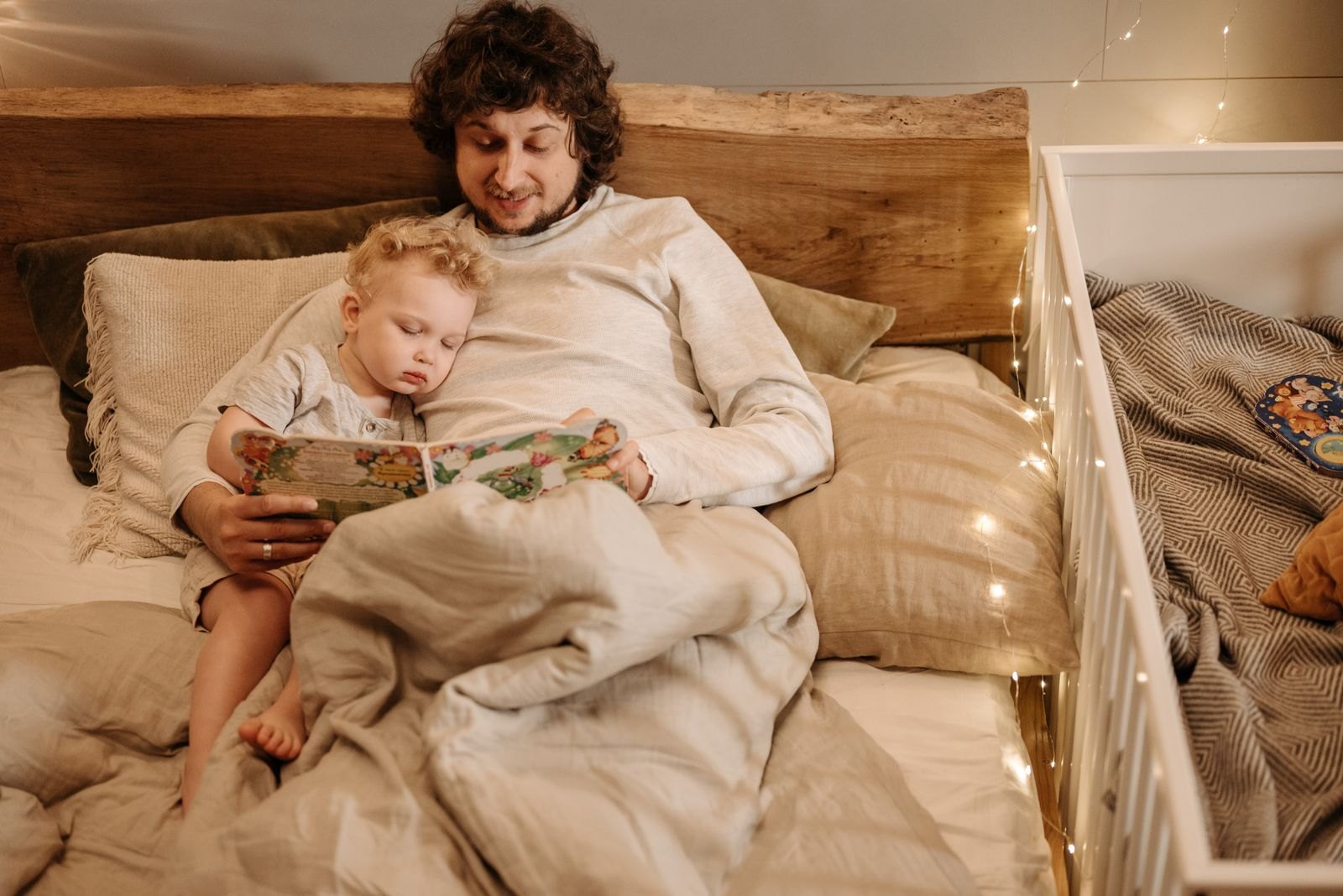
Ask five parents which sleep training method actually works, and you'll get five confident, contradictory answers. Some swear by graduated extinction — checking on your baby at set intervals while they learn to fall back asleep without help. Others insist a no-cry approach, like bedtime fading or the chair method, is the only humane option. Both camps point to real results, because both approaches work — through different mechanisms, at different speeds, with different demands on the parents doing them. The useful question isn't which method is objectively superior. It's which one actually fits your baby's temperament and your family's capacity right now.
What Parents Commonly Get Wrong
The most common mistake is treating this as a battle between one correct method and one harmful one. Parenting forums tend to frame graduated extinction and no-cry approaches as opposing camps, but both are behavioral sleep interventions with the same underlying goal: helping a baby build the skill of falling asleep — and back asleep after a normal night waking — without needing a parent to recreate the same conditions every time. They reach that goal on different timelines, not through different levels of legitimacy.
The second misread is assuming "no-cry" means no crying at all. Bedtime fading, the chair method, and similar gradual approaches reduce a baby's reliance on parent-assisted soothing in smaller steps than extinction-based methods, and a parent stays present throughout — but a baby who's used to being rocked or fed to sleep will still protest when that support changes. The difference is the intensity and duration of that protest, and how much parental presence continues during it, not whether protest happens.
What the Research Actually Shows
A randomized controlled trial published in Pediatrics, the American Academy of Pediatrics' peer-reviewed journal, compared graduated extinction, bedtime fading, and a sleep-education control group. Both intervention groups improved sleep — falling asleep faster and waking less — compared to the control group. The researchers also measured children's stress hormone levels and, a year later, assessed parent-child attachment using a standard clinical evaluation. They found no meaningful difference in stress hormone patterns between groups, and no difference in attachment security or in children's emotional and behavioral outcomes at the one-year follow-up. In other words, the method itself wasn't what determined long-term outcomes.
That result makes sense once you look at the underlying mechanism. Falling asleep is a skill built on association — a baby learns to expect certain conditions (motion, feeding, a parent's presence) at the moment sleep starts, and looks for those same conditions during the brief wakings that happen between sleep cycles. Every sleep training approach works by changing what a baby expects at that moment. Extinction-based methods change it abruptly, on a set schedule, so the baby adapts to the new expectation over a few nights. Gradual and no-cry methods change it in smaller increments while a parent stays present, so the adjustment stretches over a longer period but asks less of a baby's tolerance for sudden change. Neither mechanism is inherently more disruptive to the parent-child relationship — they're different rates of the same underlying process. This is consistent with the American Academy of Pediatrics' position: it does not endorse one sleep training method over another, and supports families choosing the approach that fits their circumstances.
How to Actually Choose
Start with your own tolerance for crying, honestly. Graduated extinction tends to produce results faster — often within a week — but asks parents to sit with more protest crying in the short term. If that's unworkable for you, a slower method isn't a compromise; it's the more sustainable choice, because a method you can't stick with consistently won't work regardless of its research backing.
Next, look at your baby's usual response to change. Some babies adapt quickly to a new routine within a few nights; others need more repetition before a new pattern sticks. Neither pattern predicts long-term outcomes, but it does predict which method will feel less grueling on a night-to-night basis.
Consider your household logistics too. If you're sharing a room or a baby monitor with a partner or other children, a method that involves checking in every few minutes may be more disruptive than one where a parent stays quietly in the room throughout. If you're stretched thin — solo parenting a stretch, or managing an older sibling's schedule at the same time — factor in which method you can realistically sustain for the full adjustment window, not which sounds gentler on paper.
Whichever approach you pick, give it a fair trial — most families need at least a week of consistent nights before judging whether it's working, since switching methods every few nights tends to confuse a baby more than sticking with either approach.
FAQ
Can I switch methods partway through? You can, but try to avoid switching every few nights — consistency during the adjustment window matters more than which specific method you started with, and frequent changes tend to extend the process rather than shorten it.
Does letting a baby cry during sleep training damage trust or attachment? The available research comparing graduated extinction to gradual, lower-crying methods found no difference in attachment security or emotional outcomes a year later. What matters more for attachment is your overall responsiveness during the rest of the day, not how bedtime specifically is handled during a training window.
More for this stage
 4 min read1 views
Early Morning Waking: Why It Happens (and What to Do)
Early morning waking usually isn't random bad luck. Here's why toddlers settle into 5 or 5:30am wake-ups and what actually shifts it later.
 4 min read1 views
The 9-Month Sleep Regression: Is It Actually a Sleep Problem?
The 9-month sleep regression usually isn't one problem — separation anxiety, a new motor skill, and nap changes tend to collide. Here's what's really going on.
 3 min read1 views