Feeding & Weaning
 4 min read1 views
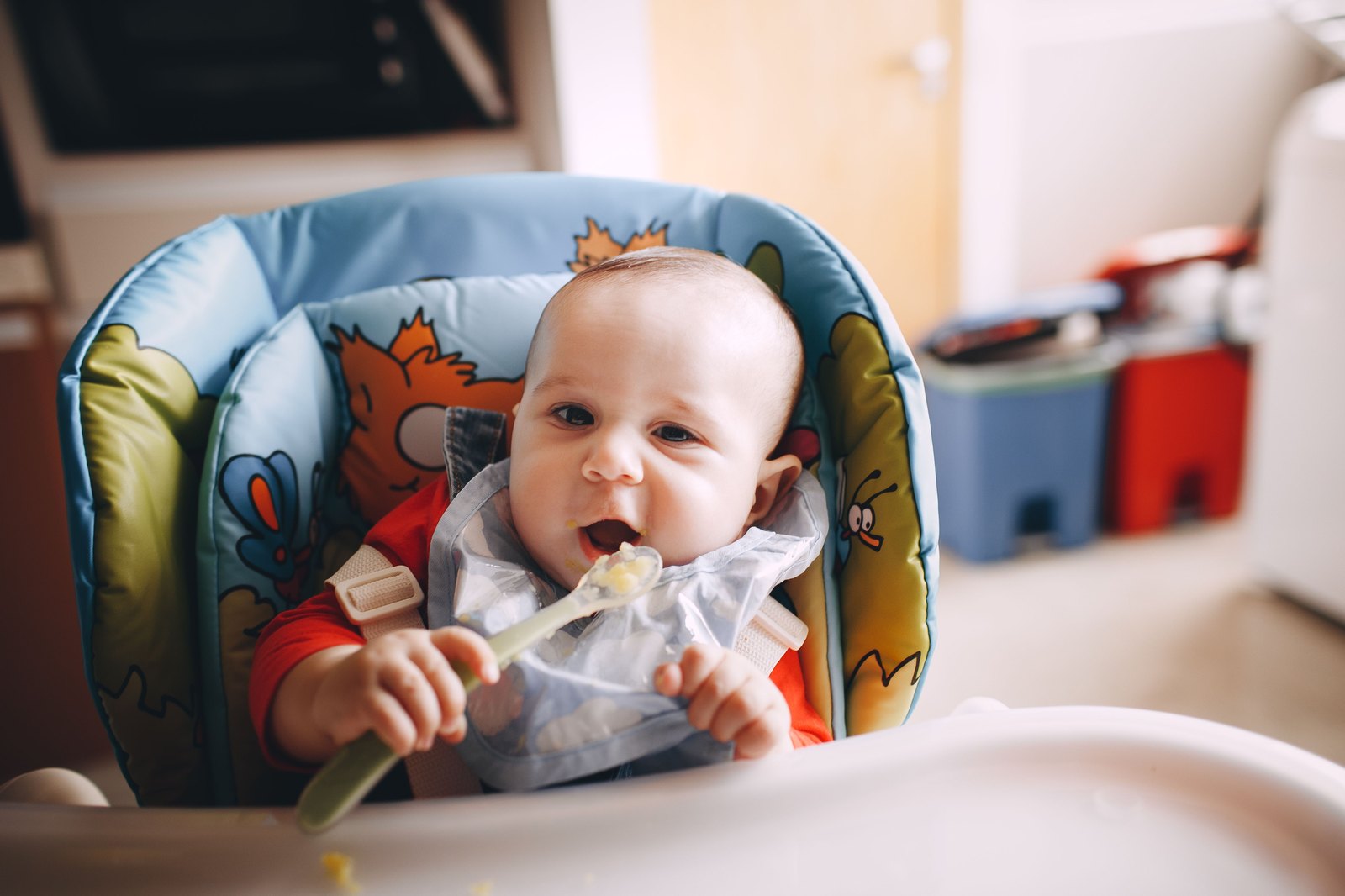
Food Jags: Why Toddlers Get Stuck on One Food
Food jags—when a toddler eats only one meal for days—are common and usually pass on their own. Here's why they happen and what actually helps.
 4 min read1 views
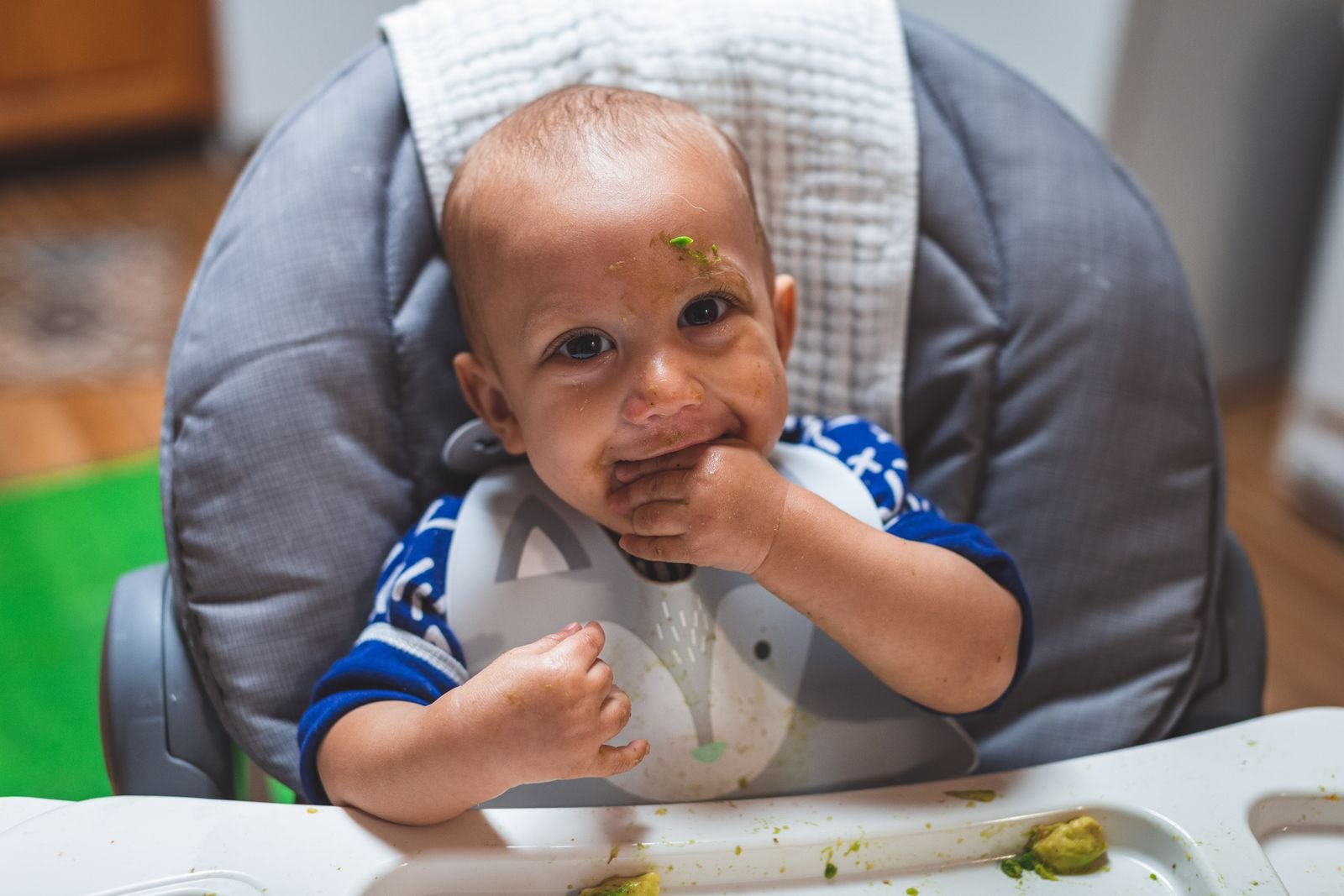
Gagging vs. Choking in Baby-Led Weaning: How to Tell
Gagging is a normal, protective reflex during baby-led weaning, and it looks different from choking. Here's how to tell them apart.
 4 min read1 views
Cup Transition Timeline: Sippy Cups Aren't a Required Step
Sippy cups aren't a required step. Here's what oral-motor guidance actually says about straw and open cups, plus a realistic month-by-month timeline.
 4 min read1 views
Why Babies Spit Out New Foods: The Repeated-Exposure Research
A spit-out bite isn't rejection. Pediatric nutrition research shows babies often need 8-15 exposures before accepting a new food. Here is why.
 3 min read1 views
Feeding Regression: Why Babies Suddenly Refuse Purees
Your baby ate every spoonful last month and now turns away or clamps their mouth shut. Here's why feeding regressions happen and what actually helps.
 4 min read1 views
Cow's Milk Refusal at 12 Months: Why It Happens (and What to Do)
A baby who nursed or bottle-fed easily can flatly refuse cow's milk at 12 months. Here's why the switch trips babies up and what actually helps.
 4 min read1 views
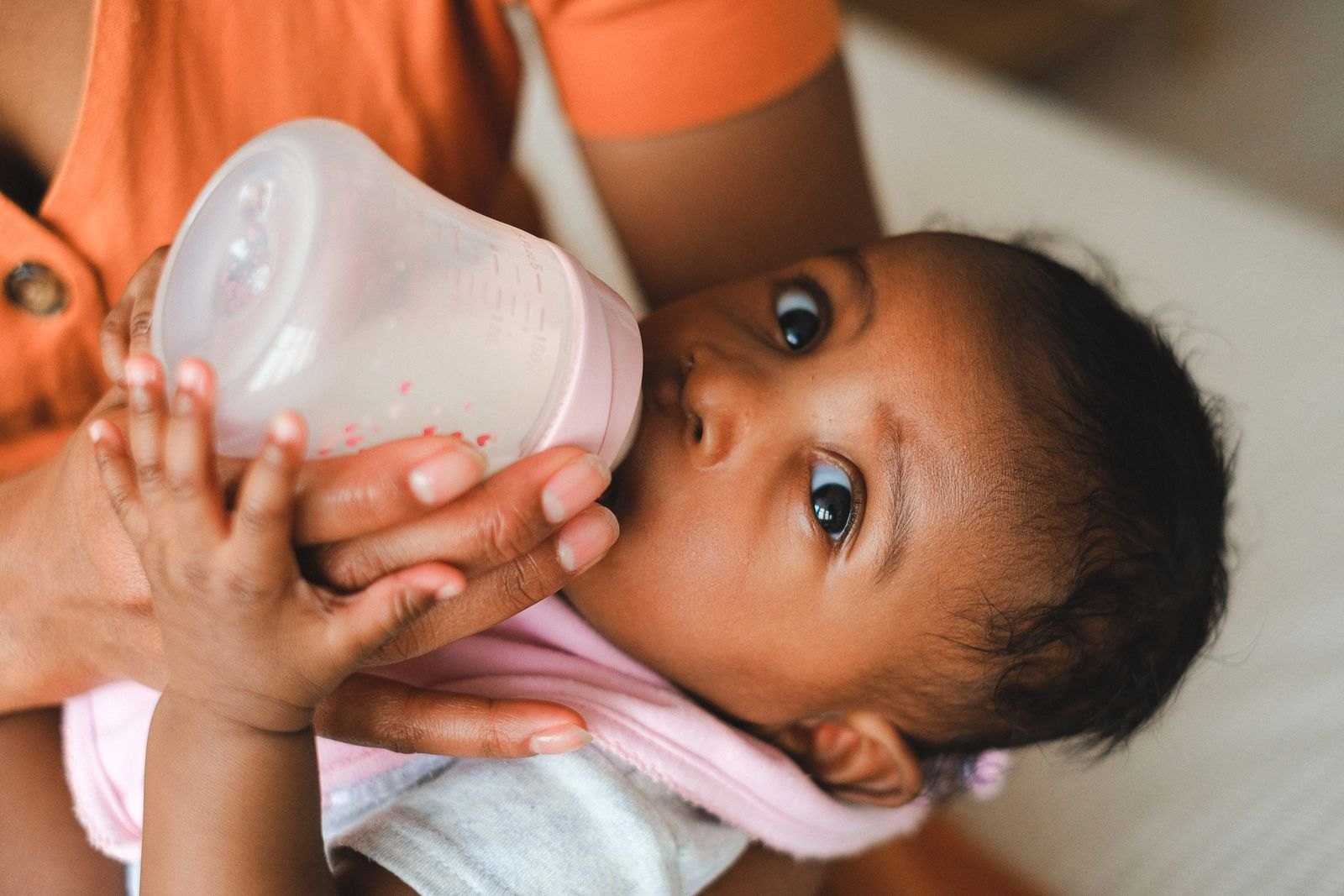
Bottle Refusal in Breastfed Babies: What Actually Helps
Bottle refusal in breastfed babies usually comes down to flow speed and who's holding the bottle, not nipple confusion. Here's what actually helps.
 3 min read1 views
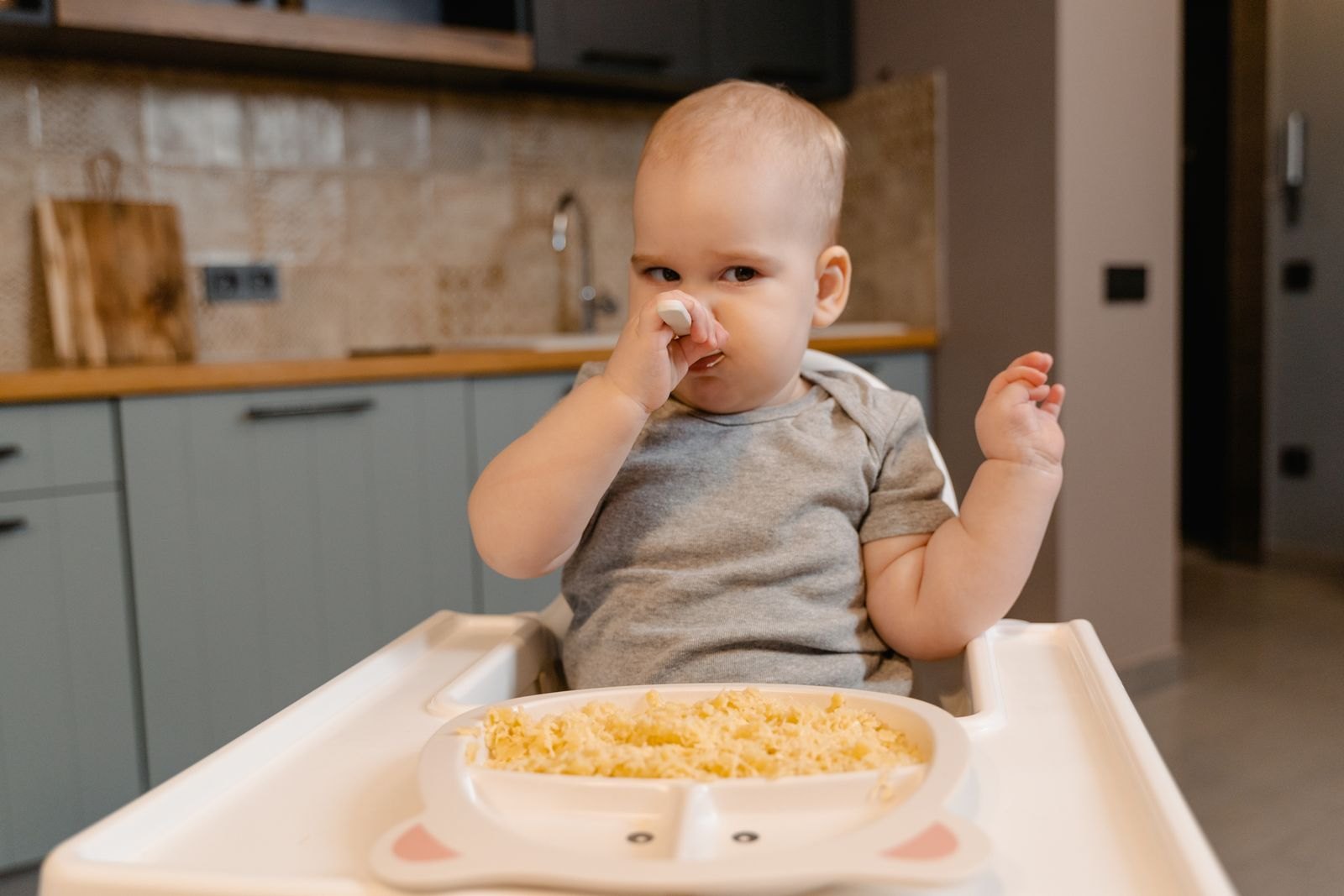
Baby-Led Weaning vs. Purees: It Isn't an Either-Or Decision
Baby-led weaning and purees get pitched as competing philosophies, but research finds no clear winner on choking, growth, or iron. Here's how to choose.