Infant
 3 min read1 views
Baby Not Pointing Yet: 3 Things Parents Get Wrong
A missing checkbox on a milestone list can feel alarming, but pointing is one of the most commonly misread items. Here's what actually matters.
 5 min read1 views
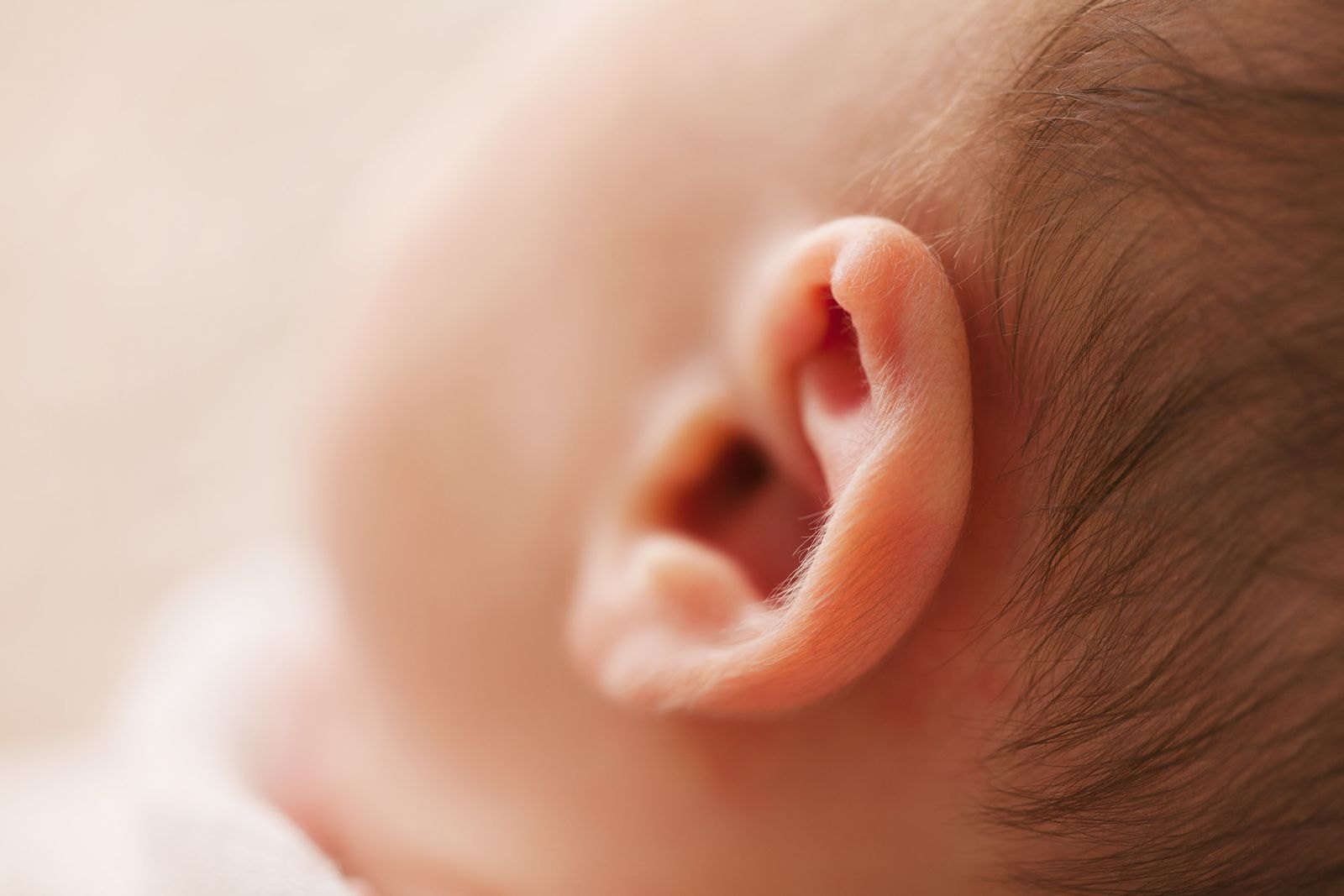
Ear Pulling in Babies: The 'It's Just Teething' Myth, Debunked
Ear pulling can mean teething, an ear infection, or just a habit — here's how to tell which one actually fits your baby's signs.
 3 min read1 views
Highchair Refusal vs. Feeding Strike: How to Tell the Difference
Most highchair meltdowns are about independence, not appetite. Here's how to tell a normal feeding-independence phase from an actual feeding strike.
 3 min read1 views
Baby Not Responding to Their Name: Should You Worry?
Not every baby turns to their name at the same age. Here's the actual normal range for name recognition, and what's worth watching for.
 3 min read1 views
Tired Cues Parents Miss: 4 Signs a Baby Is Overtired
Eye-rubbing and ear-pulling often show up minutes before a meltdown. Here are the early tired cues parents miss, and why they're easy to overlook.
 3 min read1 views
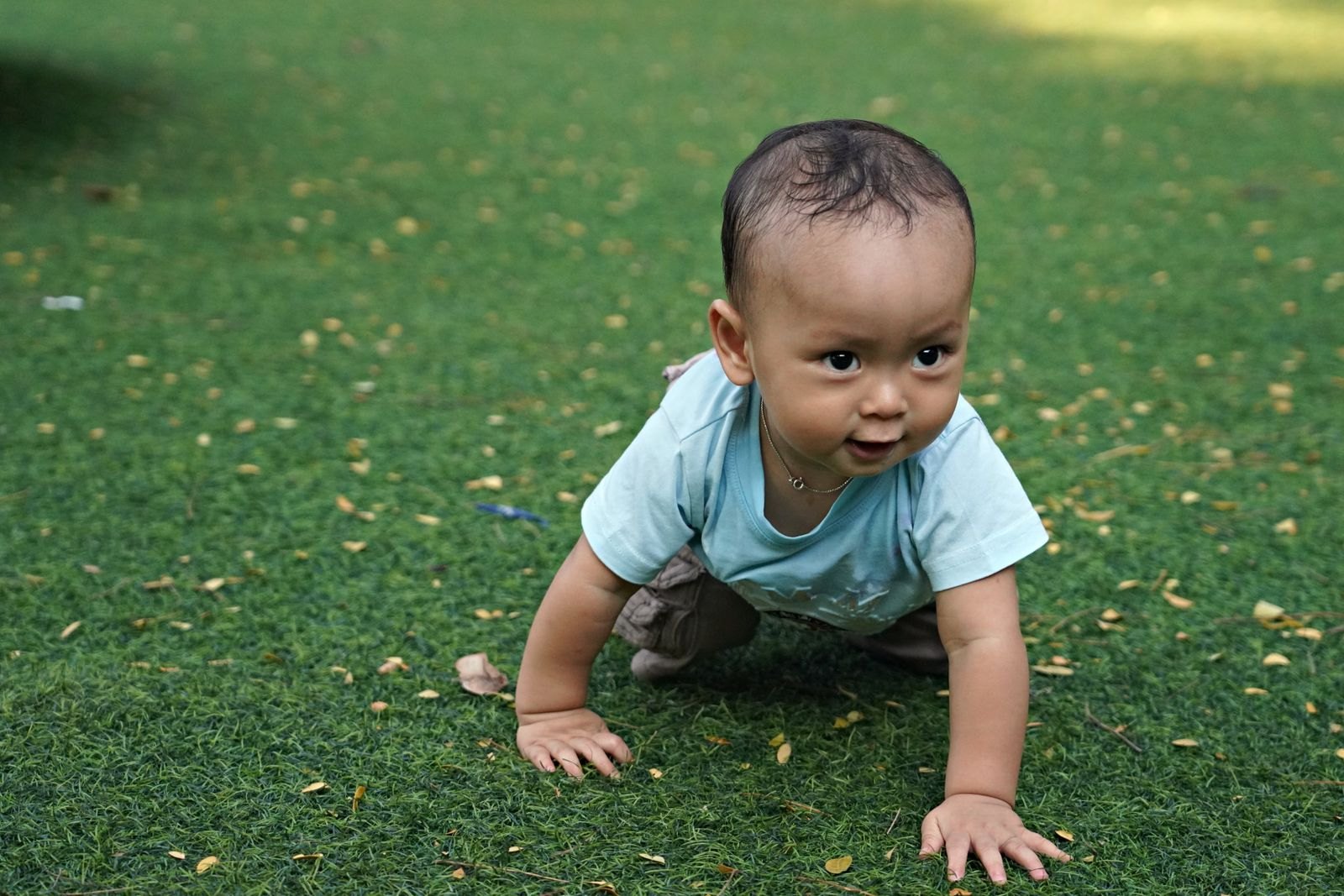
Stranger Anxiety at 8 Months: Why It Suddenly Shows Up
Your easygoing baby suddenly cries at a friendly stranger around 8 months. Here's the developmental reason, and how it differs from separation anxiety.
 4 min read1 views
Late Walking Isn't the Red Flag You Think It Is
Babies typically walk between 9 and 18 months, a wide normal range. Here's what actually predicts late walking, and the few signs worth a pediatrician visit.
 4 min read1 views
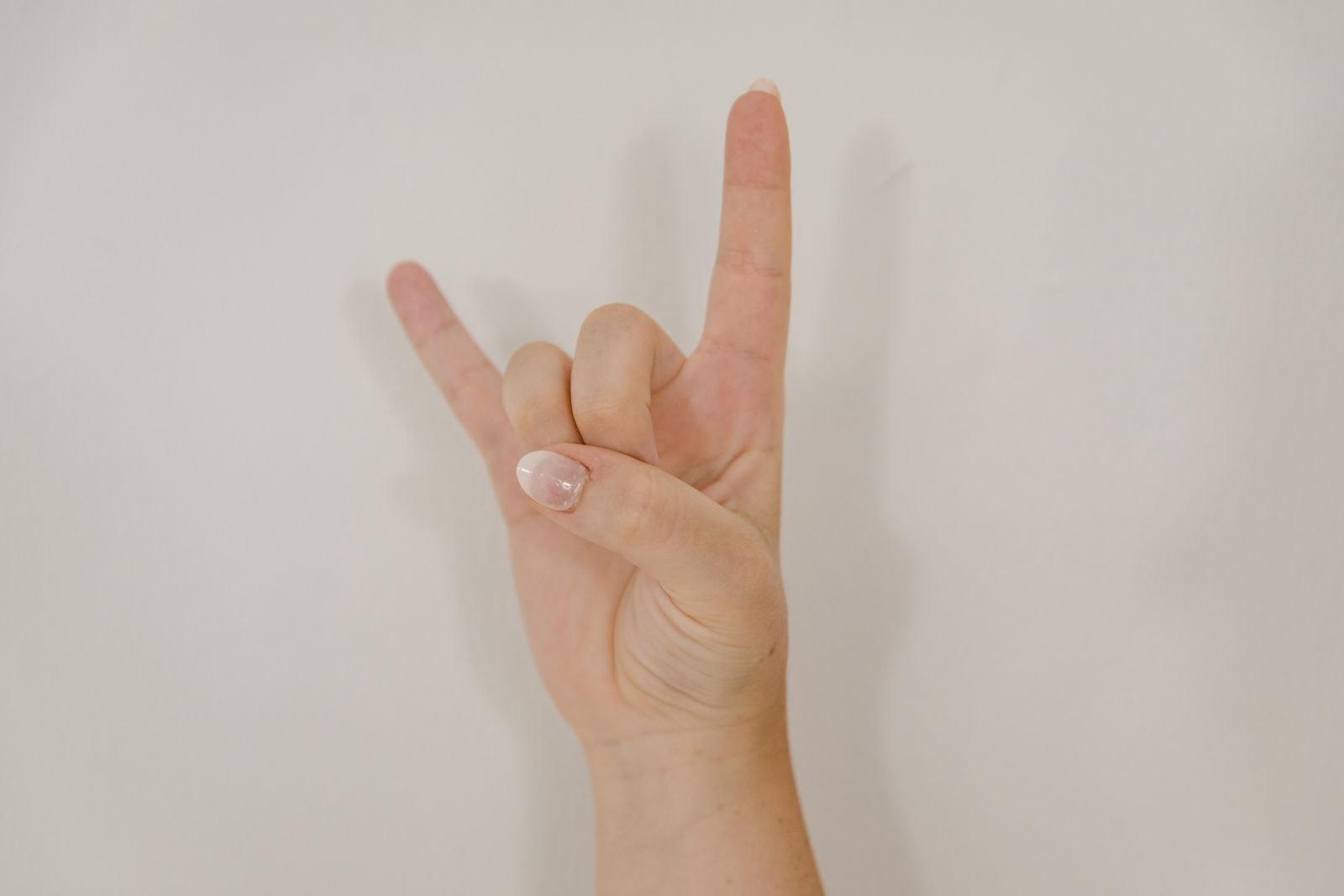
The Baby Sign Language Myth, Debunked
Worried baby sign language will delay talking? Research says the opposite — it doesn't slow speech and may even ease frustration for babies.
 3 min read1 views
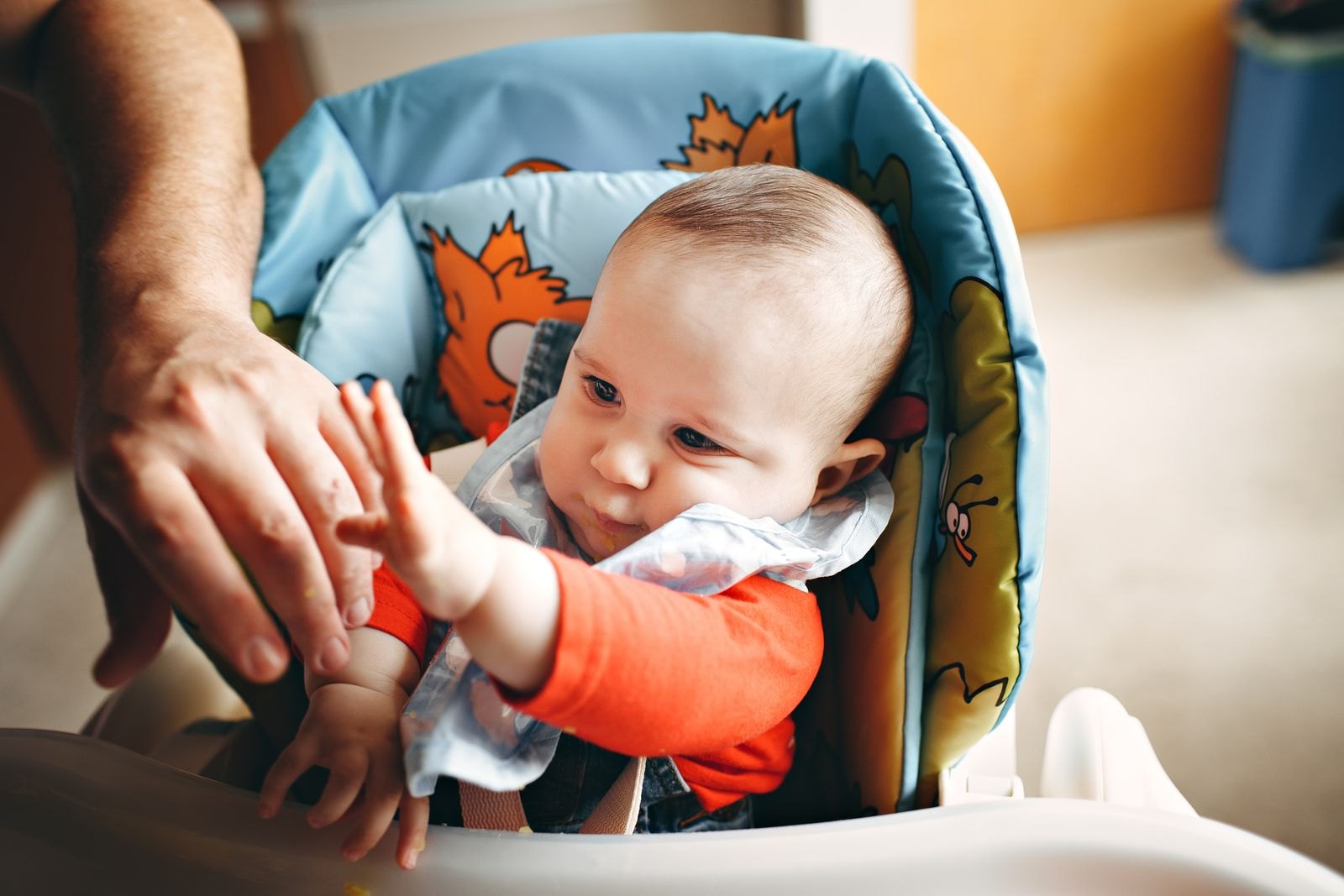
Baby Separation Anxiety: 3 Things Parents Get Wrong
Separation anxiety around 8-9 months feels like a setback, but it tracks real cognitive growth. Here's what parents typically get wrong.
 3 min read1 views
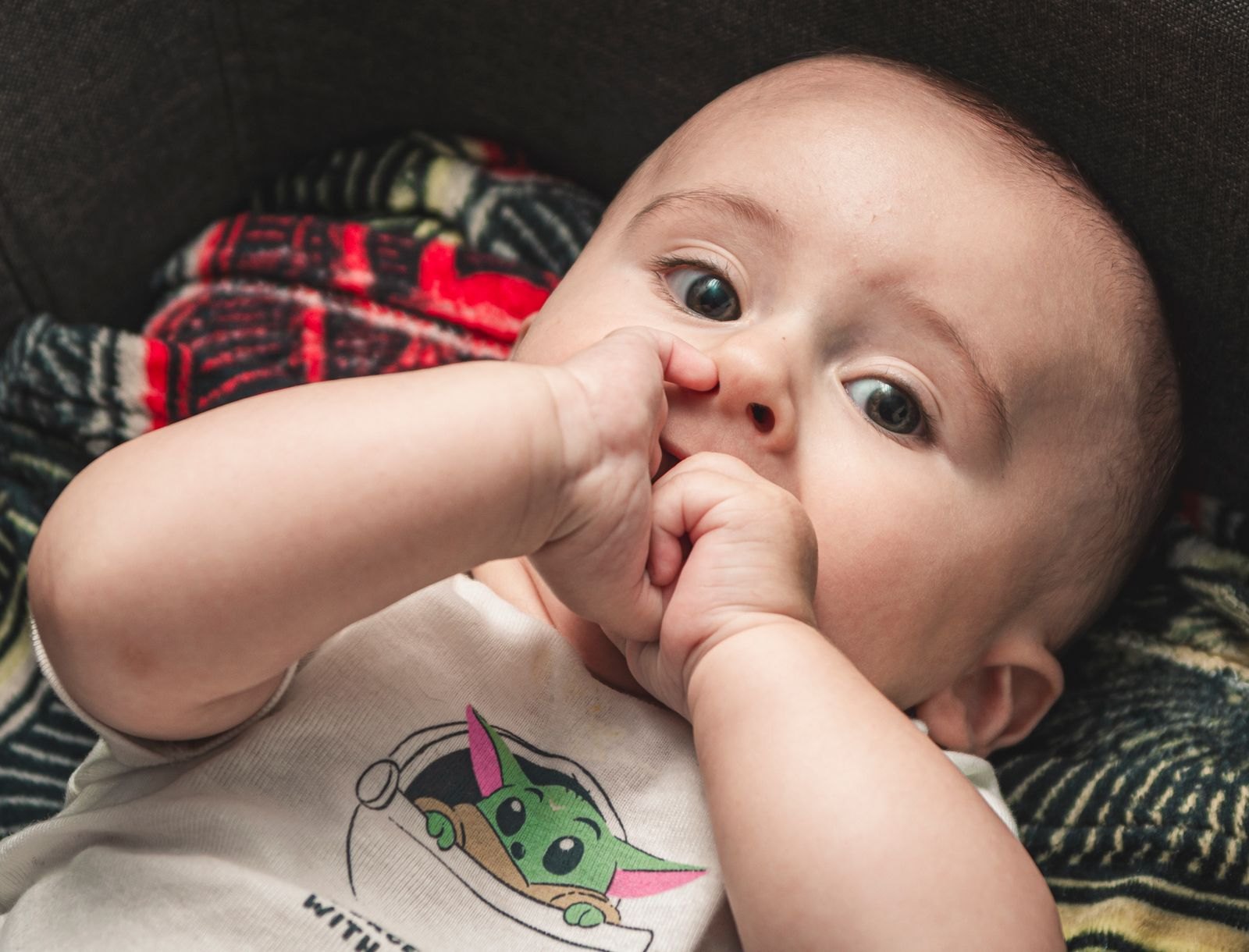
Why Teething Gets Blamed for Fevers It Doesn't Cause
Fever, diarrhea, and runny noses get chalked up to teething constantly, but research says teething doesn't cause them. Here's what's actually going on.